ORIGINAL STORY PUBLISHED MARCH 2021 – UPDATED late October 2022 –
NEW UPDATE OCTOBER 2023.
I originally published this story in MARCH 2021 during the Covid pandemic – updating it twice in 2022 when Japan reopened its borders and as the covid situation changed rapidly. With another trip to Japan imminent, I’ve updated once again as so much has changed even since my last trip to Japan in November, 2022. More than half of what I wrote last year is no longer valid!
Tourism in Japan is back to pre pandemic levels and more!. It’s booming. And Japan has become flavour of the month in International travel.
The covid virus is still around, but border restrictions have gone. There is no longer any need to show your covid vaccinations, or fill in your details on line with the Japanese government before you leave home. You can still do that, but you can also simply fill out a form on the plane as you have done in the past.
Covid – I repeat – is still around. As is seasonal flu. Masks are not compulsory, but MJ and I will still pack Australian made N95 masks to wear in crowded places. Japan has been a mask society long before Covid, so you won’t be alone wearing masks. We also still take test kits. You can access these there – but easier to have them at hand than to have to go searching for them if you need them.
The other item I pack is my bear bell, purchased on a previous Japan trip and essential if you are out in wooded and rural areas. Bears do attack and do kill in Japan. There have been a lot of victims in the past few years, with bears even coming into towns. Bears are particularly active in November before going into hibernation. No trekking without a bear bell!

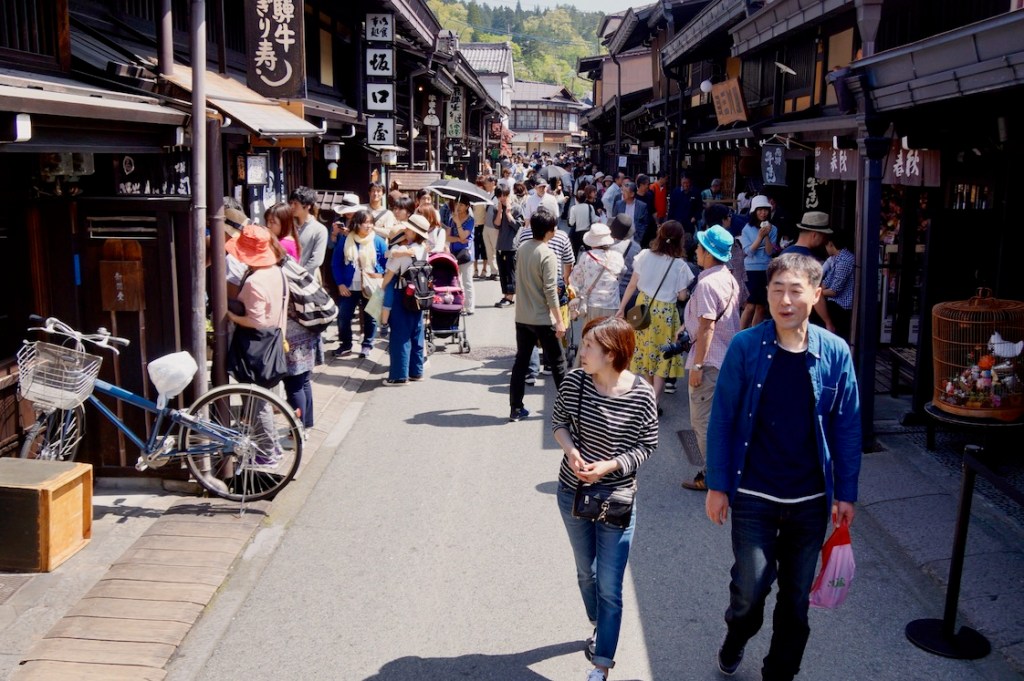
Popular tourist attractions, particularly in Tokyo, Kyoto and Osaka, are very crowded as international tourists return in droves . These cities form the golden triangle where, according to the Japanese Government, most visitors only go to. So, the Government and regional authorities are introducing special measures to try to control tourism numbers in these three cities, and encourage tourists to spread out and see the rest of the country.
I don’t need any convincing. Whilst I love Tokyo and Kyoto, I also love exploring Japan’s regional areas that offer an array of wonderful sights and experiences.
However, if you are heading to Japan and planning to see the more famous major city sights, you can avoid the worst of the crowds. My best advice is get up very early and go to these places before the crowds build up for the day… or very late in the day just before closing time. Think of an approach that the general tourist crowd doesn’t consider.
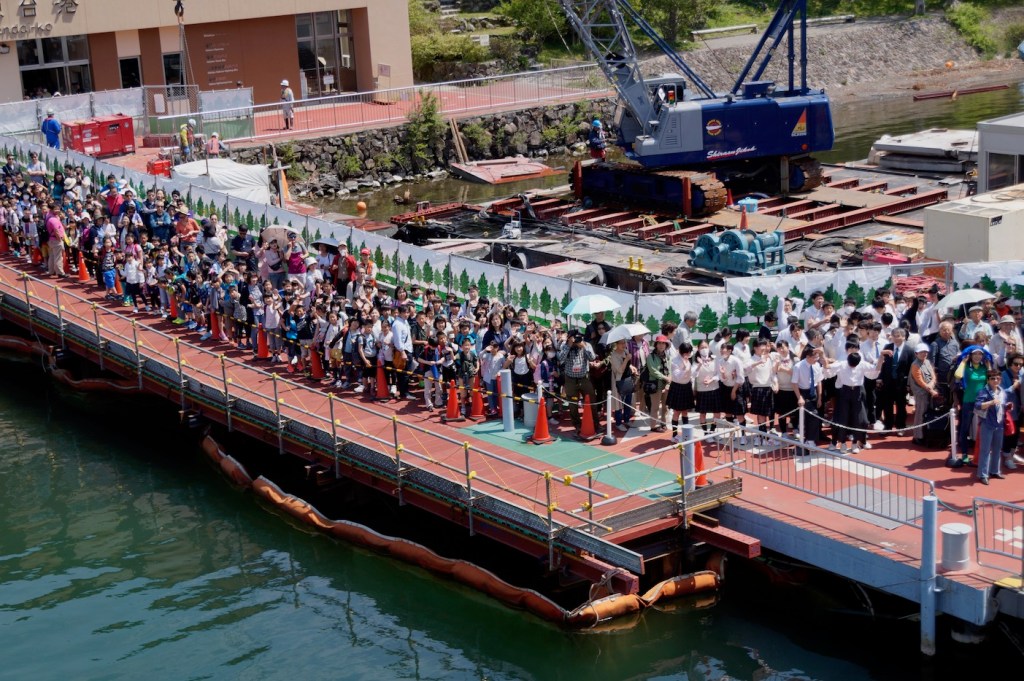
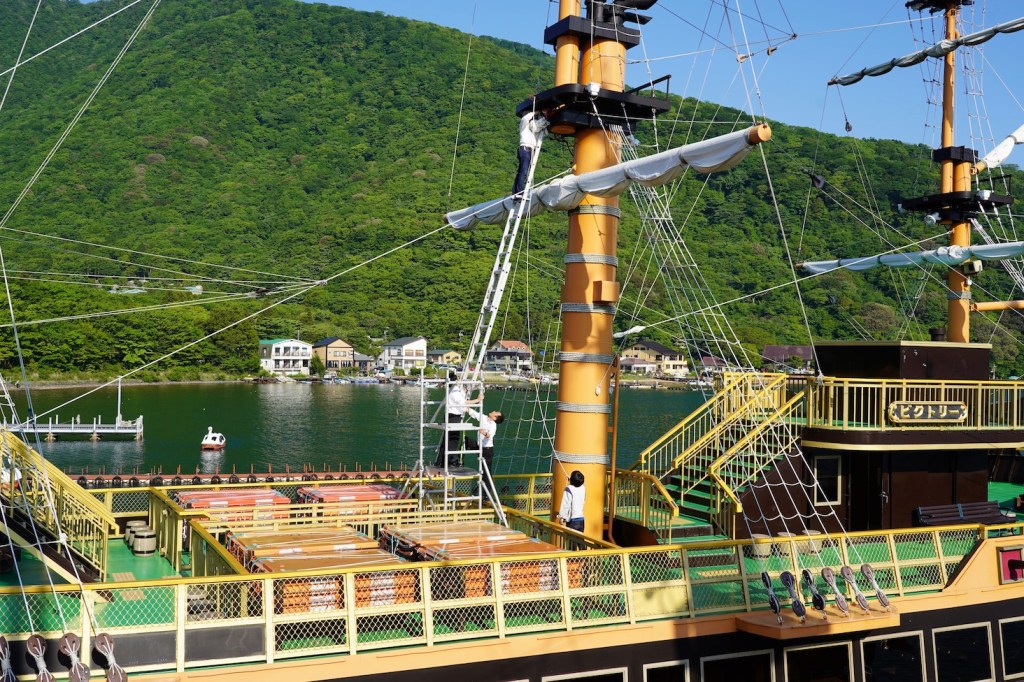
In Hakone – a very popular region for local and foreign tourists – you can do a circular route on a special pass (the Hakone free pass) you buy. We decided to approach it clock wise, rather than anticlockwise, which meant we were going against the crowd, not with it! Good move. We had very little queues to deal with like the one below that was lined up to get on the Lake Ashi cruise we were about to disembark from.
Also, be aware of public holidays in Japan when locals are holidaying, and visiting popular attractions themselves. The most prominent is Golden Week when most of the nation is on holiday – it is usually around the end of April and the first week in May.
I personally would never travel in the Japanese summer – typhoon season, with soaring temperatures and very high humidity.

INSURANCE
Never ever travel without good travel insurance. You wouldn’t want the bill from a Japanese hospital if you ended up there with no insurance.
I am reminded of a case I encountered in a middle eastern country in the 1970’s where a young Australian, without insurance, was not being allowed to leave a hospital until he paid his bill. He’d travelled numerous times without insurance, despite having a long standing medical condition, and had been continually bailed out by the Australian Government when his illness forced him to seek medical attention. He hadn’t meant to be in this middle eastern country, but the plane he was travelling on ,en route to Europe, stopped there to get medical attention for him. I happened to be staying with one of the embassy officials at the time, and was told the Australian Government could no longer help him as he ignored advice and continued to travel without insurance. So he was stuck there, his hospital bill mounting day by day, and his family were not in a financial position to assist. I never heard the end of the story, because I moved on before the situation was resolved.

OTHER THOUGHTS – JAPAN RAILWAYS
Rail is my principal way to get around Japan. We have always bought the national Japan Railways Pass for convenience and travel savings. More on that later.
Well thought out rail travel in Japan is a worry free and enjoyable way of transport in Japan, especially for first time visitors. Japanese trains are clean and comfortable, they generally run on time, and are part of the Japanese experience that all travellers must try! And who doesn’t want to try riding a sleek, fast Shinkensen (bullet train) and some of the lovely little regional trains. Or a cute theme train like the Hello Kitty bullet train introduced in 2018! OK, I am not a fan of cats, but I threw that one in for the cat lovers. There’s an interesting range of theme trains to choose from, and for the well heeled, some amazing luxury train experiences. Most of those luxury and special trains aren’t covered by the Japan Railways Pass.
There are also some remarkable train museums – I could barely persuade my husband to leave the superb Kyoto railway museum! We’ve also been to the excellent one in Nagoya. Definitely worth a few hours or so to visit both.
Don’t be put off by those reports of crowded train stations and trains in Japan. Ensure your day’s travel is outside of peak hours – anytime outside of 7am to 9am and between 5 pm to 7pm – and book your seat ahead of your journey. We usually book a day ahead if possible. It’s possible to book online, but we personally like to front up to an office as sometimes we have questions. Many of the major railway stations have a Station website with a good map online. Very handy. Get to know beforehand the stations you’ll access so that you can move through quickly.
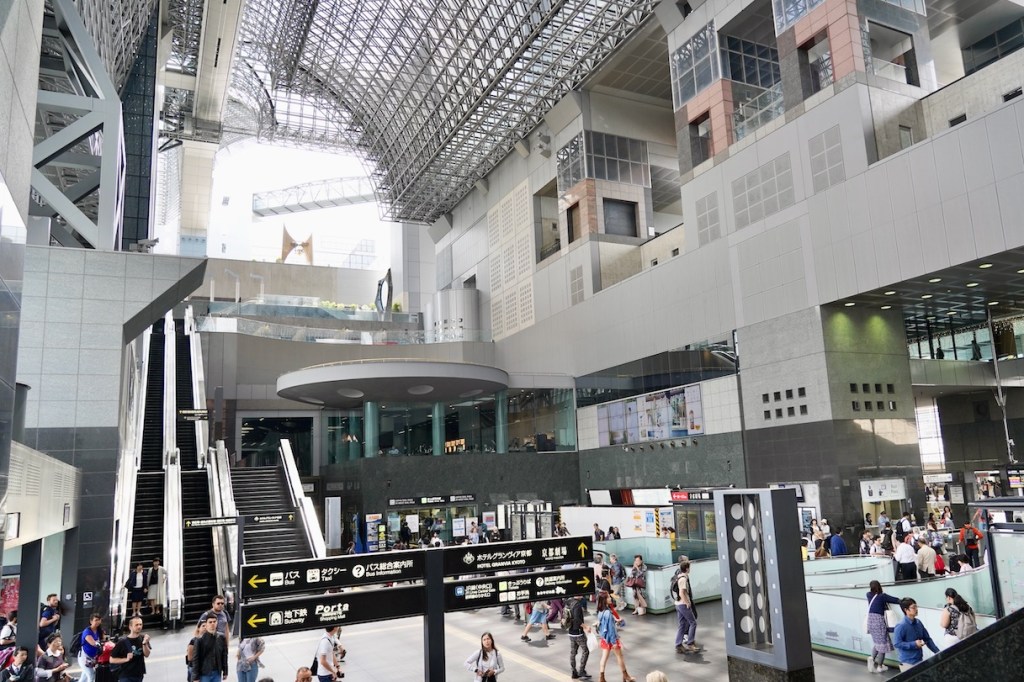

I’ve always found signage in English at railway stations is plentiful, and I’ve always been able to find an official on hand who speaks English. At major stations there is usually a tourist office. You will be surprised at just how easy rail travel is in JAPAN.
TRAIN OPTIONS and the JR PASS
As mentioned, I have always travelled in Japan with the Japan Railways (JR) pass, offered by a collaboration of six companies within the JR group across the whole of Japan. There are also regional passes available if you are only visiting a particular part of Japan.
Big game changer now though, with a massive rise in the cost of these passes, introduced at the beginning of October 2023. A 21 day pass that I purchased in September 2022 cost $628 Australian – now it costs just over $1000. That is still good value if you are doing a lot of train travel, but not if you are only doing the Tokyo-Kyoto-Osaka triangle, as many tourists do. There are online calculators you can access to see if a pass is worthwhile.
You need to buy your pass in your home country before your trip – but not too much before. The passes are only valid for three months from purchase. They become active once you validate them in Japan at a railway station. The new priced passes do have some extra advantages such as discounted admission to some attractions.
In Australia, I’ve always ended up buying my pass through Sachitours, based in Sydney. They’ve offered the best prices when I’ve been looking, and are very efficient with a great service and fast delivery to Western Australia. They also sell a discounted sim card for use on what is regarded as the best network in Japan.
I use Telstra (Australia) prepaid, and that offers a very inexpensive phone plan for Japan that I use. MJ buys a Sim.
https://www.nta-sachitours.com.au/jr-japan-rail-pass
JR rail passes are easy to use at railway stations in Japan. They eliminate the need to find money or buy tickets on JR. If you fail to book, there are unreserved carriages. Personally, I like to know I definitely have a seat.
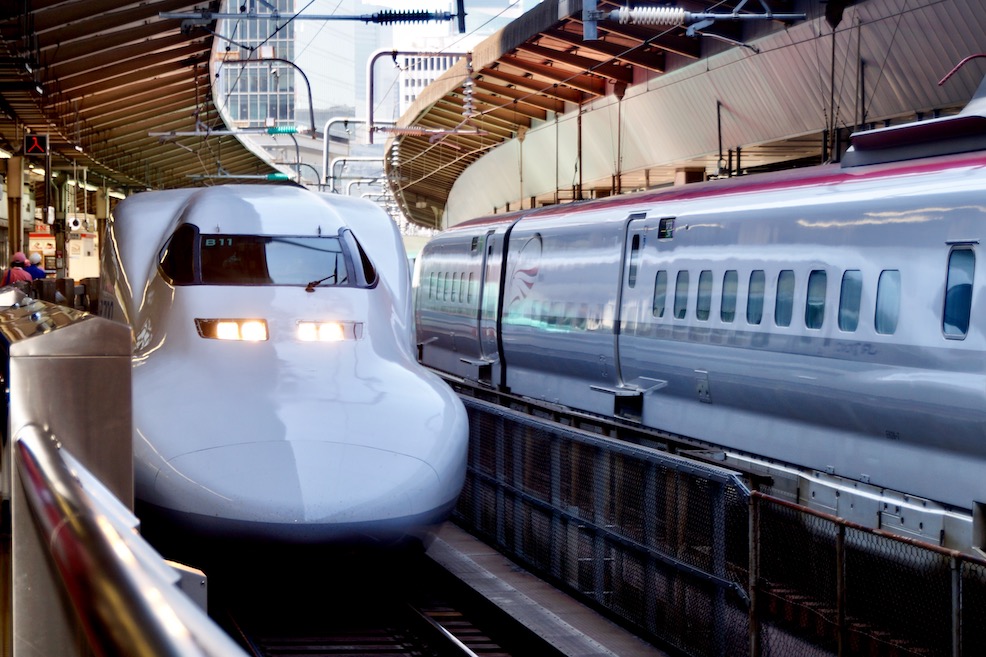
All shinkensens (bullet trains) are all run by Japan Railways, so are covered by your JR Pass with the exception of the Nozomi and Mizuho. With the new passes you can pay a small fee to access the fast Nozomi – it’s not really that much faster – it just pulls in for fewer station stops.
The Pass doesn’t generally cover JR trains using railway tracks operated by other companies. A check that your pass covers the whole journey can be made when you are booking your seat. I’ve only ever run into this problem twice – and it was resolved quite easily with a small fee.
Best of all, with a pass, if you accidentally board the wrong train, you can get off at the next stop and return on your JR pass. No extra cost! Same if you miss your train – no financial loss. Just show your JR pass for the next one. I haven’t ever jumped on the wrong train, but I saw two Japanese ladies at Tokyo Station board a train only to find they were on the wrong one. They hastily got off with less than a minute to go before departure!
No pass? Many people book online and use Digital IC cards like Suica/Pasmo. You swipe them as you move as you move through railway gates to access platforms. These can also be used elsewhere such as in convenience stores. Suica can be loaded into your Apple wallet if you have an Apple phone. Currently, there are moves to allow the use of credit cards to swipe.
When I first visited Japan, there wasn’t much use of credit cards. That has changed a lot since the pandemic. You still need cash for small stores and restaurants.
FIRST CLASS OR ECONOMY
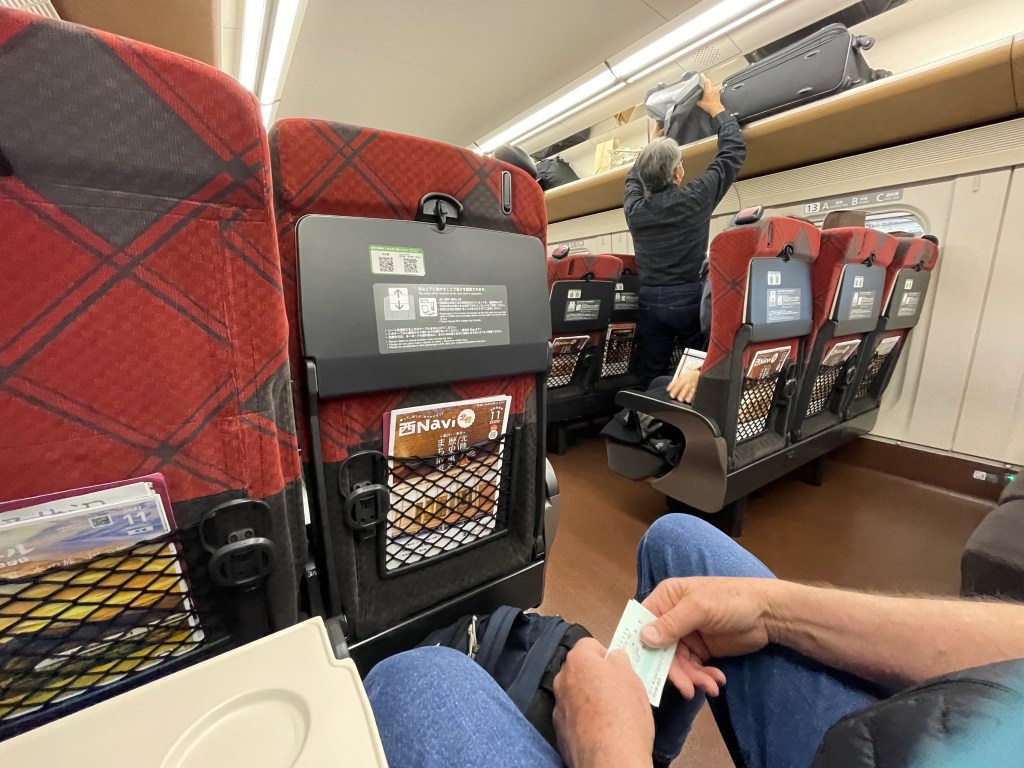
You can buy First Class JR passes (Green car) or Economy. However, with Shinkensens (bullet trains) you don’t need to get a first class seat – economy (standard) is luxurious and roomy enough! I can’t get enough of Shinkansens. Even for a long journey of four or five hours, they are comfortable and enjoyable, with toileting facilities on board.
We have ridden Green car for a little extra room. There’s less passengers in green car, and seat configurations are for 2 people. In Economy, you have 2 seat and 3 seat configurations.
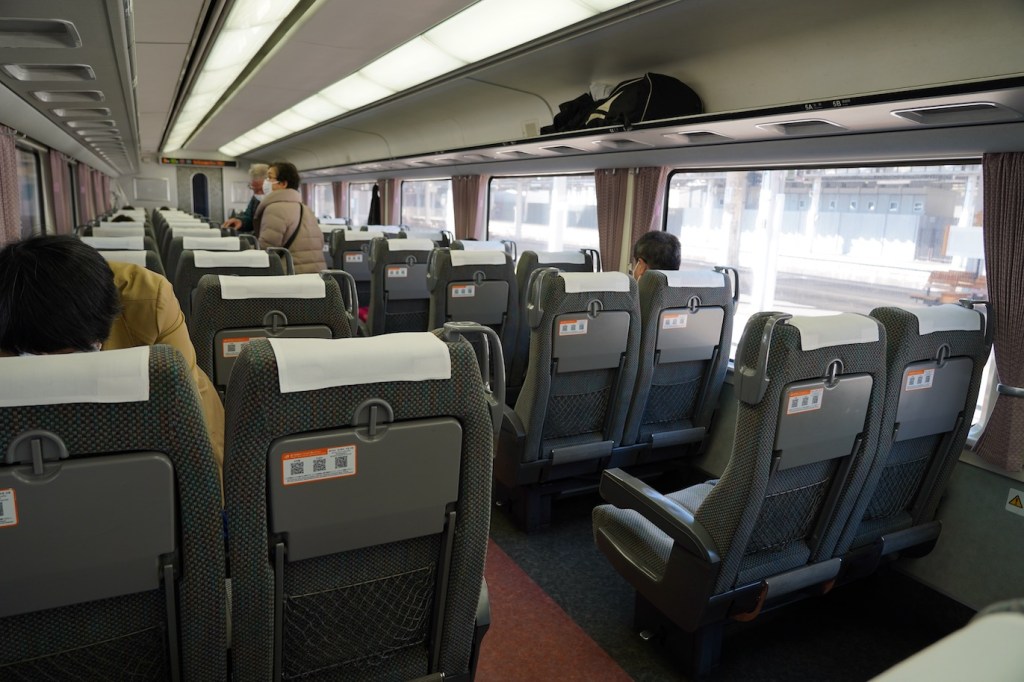
As well as Shinkensens, the JR pass covers many limited edition and local trains throughout Japan, including the suburban Yamanote loop line around central Tokyo that is much like the London circuit line. The Yamanote line runs for more than 34 kilometres and provides access to a lot of well known attractions and suburbs in Tokyo.

When booking, ensure that you ask for a non smoking carriage if you are a non smoker, and note the requirements for luggage. Over a certain size on some shinkensens, luggage needs to be booked. I ensure I travel with a case that comes within the limit that allows me to take it into my carriage with me and load up onto the overhead luggage rack. Sometimes we can put our cases into a special luggage area at the end of a carriage. Again – check on this before your trip. A lot has changed in recent years.
You can take your own food and drink on board Shinkansen. Your seat will have a fold down tray, much like you have on planes. And on some trains, a food/drink trolley will come by. Without knowledge of Japanese, you might find difficulty with these if the attendant doesn’t speak english. And I never quite know if there is a trolley on the train until we get underway. I usually buy my food and drink at the train station I’m departing from. If a trolley is on your train, suggest you try the ice cream. Hard as a rock, but well worth chiseling into! Delicious!
Also do embrace the train Ekibans – bento boxes you buy at railway stations. Most are specific to particular regions, showcasing their produce. Many also don’t have any english on the boxes, so it can be hard to tell what’s in them. Luckily, google translator has been a game changer. Load the free app onto your phone and photograph the Japanese writing – it will translate it into English. I can also now hold conversations with a non english speaking Japanese using this translator. And I can read Japanese menus and signage. Captain Kirk – I’ve arrived in the Star Trek age!
One ekiban I am particular interested in is the self heating type. There is a little string on the box. Pull it, and within minutes the food inside is piping hot! Don’t ask me how – I just know it works!
Would love to see these in Australia! How handy would they be for picnics! But I’m not holding my breath. Twenty years plus ago, when I first visited Japan, I embraced hot coffee in a can from vending machines. I eagerly waited their arrival in Australia, especially when I heard about hot soup and hot ramen in a can! I’m still waiting.
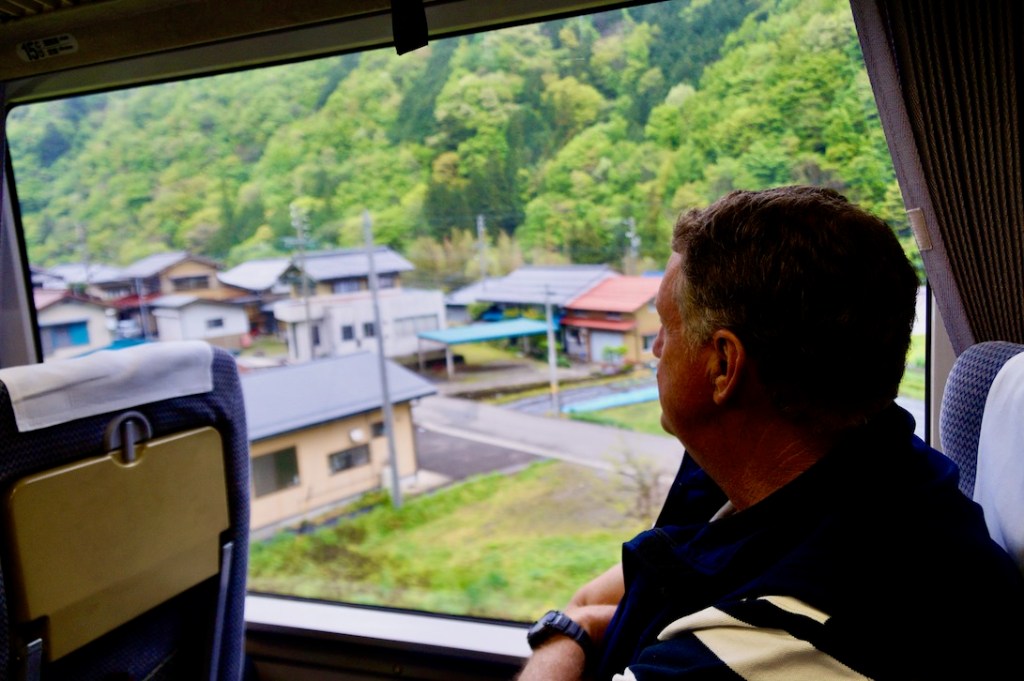
HOW TO VALIDATE YOUR JR PASS ON ARRIVAL IN JAPAN
When you buy a JR rail pass in your home country, you will be provided with a voucher. It is important that you do NOT buy your pass too early before your trip. Useless getting it six months in advance. They are only valid for a specific amount of time ahead of your trip.
When you arrive in Japan, you take your voucher to a JR rail office (at airports or major rail stations) and have it validated. The JR rail offices are well sign posted. You will then be given a proper pass and that is active from the time of validation (not from the time you originally bought it in Australia). Don’t lose it! They look almost identical to a regular train ticket – so figure out how to keep it safe.
This is worth repeating: Buy no more than three months ahead of your trip, and validate it on arrival or when you want to start using it. Yes, you can take the very next train once it is validated, providing there are seats. So if you validate your pass at the JR office at Narita Airport, also book your Narita Express seat at the same time to take you to central Tokyo, an hour’s journey away.
The Narita Express departs regularly, and there are good signposts to direct you to the railway station downstairs from the Arrivals hall. If you come into HANEDA Airport, much closer to central Tokyo, you can validate your pass there and use it on the Tokyo monorail for a short trip into the city. I’ve always been able to get onto the next service, and haven’t had to wait any more than about 20 minutes.
If you are arriving at an airport other than Haneda or Narita, you’ll need to check yourself if there is a JR service available from the airport. Most probably there is.
Note: there is another railway company operating from Narita Airport. The Keisha Narita line is not covered by the JR pass. The Keisei group also has a range of passes and money saving tickets. But I haven’t used them, so that one is up to you to check out.
There are buses and taxis at the airports. You can check at the airport whether an airport bus goes to the area you are heading to in Tokyo. One bus route is to Tokyo Railway station in central Tokyo. Some people book vehicles to take them from the airport to their hotel. I haven’t as I’m happy with the public transport.
Hyperdia and Navtime
Sadly, the Covid pandemic has seen a downturn in the service offered by one of my favourite Japanese rail travel sites, hyperDia on the internet. In the past, it’s been my bible in the past for checking out detailed Japanese train schedules, routes, travel and connection times as part of my trip planning. It now seems to operate with a limited free service, enough to get a rough idea of train service availabilities. But it’s not as good as it was. I’m hoping it that as tourism in JAPAN increases again, hyperdia will go back to the standard it was famous for in the past.
A popular alternative now is Navitime. https://www.navitime.co.jp/pcstorage/html/japan_travel/english/
These services are simply an aid when planning Japan rail travel. You can get an idea of how often a service is provided to a destination, etc. I always make my bookings directly with JR offices in railway stations where there are english speaking assistants. Depending on where you bought your JR pass, you can also book online or at special machines at some railway stations.
Other train and bus operators in Japan
I travel a lot off the beaten track in my travels to Japan these days, so I look to options with other companies where JR doesn’t provide services. This applies to some areas of Tokyo and other cities and towns that you might want to access. For instance, the Tokyo metro(subway) isn’t covered by a JR Pass. But good deals on passes are available at stations including timed ones for 24 hours, 48 hours, and 72 hours. They are not expensive.
Many of these passes are available at ticket machines at railway stations. If you can’t figure it out, just ask a railway attendant. But frankly, they are pretty easy to work out with english options. The passes can be very worthwhile, especially day passes. There also is plenty of information on the Internet as most Japanese railway and bus companies have good websites in English.
Many of the popular theme, tourist or luxury trains in Japan are run by companies other than JR. There are some amazing ones! Again, they have good english websites and many offer short term special passes available at rail stations in Japan. However, my experience is that it is difficult to find adequate information or booking opportunities for these trains outside of Japan. I have managed with two popular train journeys after much research and many emails.

Food on trains
As mentioned earlier, eating is ok aboard a Shinkansen and Limited Express trains. But it’s a no no – very much frowned on in city and metro suburban trains.

INSIDE TRAIN STATIONS
Yes, you’ve all seen those photos of super crowded train stations in Japan. How will you manage! Easily, with planning and a calm approach.
Remember to consult railway station maps, downloaded from the Station websites on the net, and if you can, visit the Station the day before to book your seat and map out your journey to your departure platform. With your JR pass, you can access these areas without extra payment, even if you are not ready to depart. I’d only do that at very busy stations such as Tokyo Station – there is great signage and help available there.
If you are at one end of Tokyo railway station, and need to move through to the other end, there is an alternative to walking through the station. You can walk internally on special walkways on either side of it.
Again: avoid travelling in peak times. Take a leisurely breakfast before starting your travel day. If you do have to tackle peak times, stay calm and remain methodical in finding your platform, carriage and seat. Get there early to allow yourself plenty of time. Once you are onto your departure platform, it’s easy pesy.
GETTING ON YOUR TRAIN
When you book your seat at a railway station, you get a carriage number and a platform number/letter. There are even feet often drawn on the ground where you queue up for your carriage. You will also get a seat number. Trains generally leave on schedule – so make sure you are there in plenty of time.
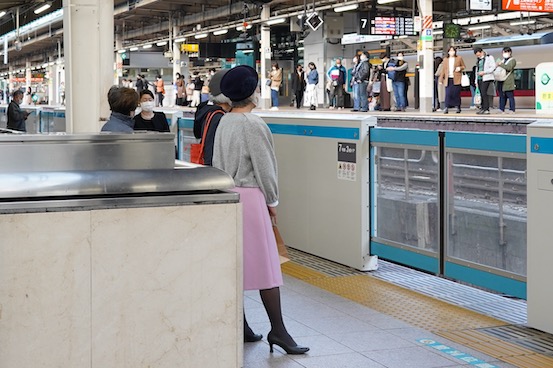
Note: There’s usually a ‘do not cross’ line on the platform, and if you dare to try before your train has arrived, there’s likely to be a terse warning announcement on the platform loud speaker.
You may not understand what is being said, but take it from me, stay on the correct side of the line!
Suburban trains and long distance trains usually make announcements in English, including directions about which side of the train to disembark. Announcements are also often made visually on screens in various languages. The overseas tourist is well catered for. Don’t be afraid!
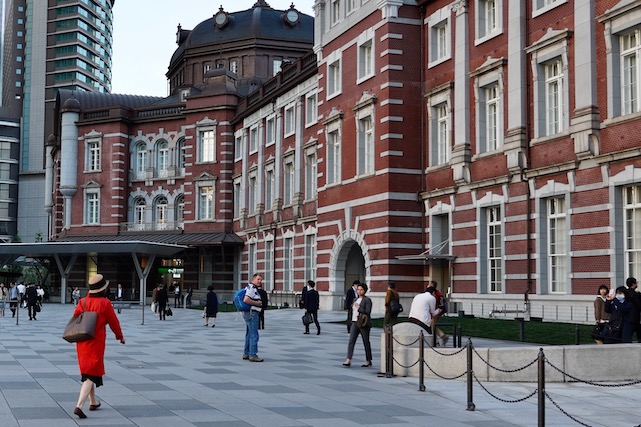
Observe signs. There are plenty of signage in English and other languages to help you in main towns, cities and popular tourist towns. When in doubt, don’t be afraid to ask a rail or bus official. If they don’t speak English or your language, just point to your ticket. They’ll understand what you need – directions to your platform! I’ve had friends who managed to get lost in Tokyo Station after going for a meal at its many excellent restaurants there. They couldn’t find their Station exit! But they never approached any of the many railway officials to seek help. They tried to find their own way. Always ask for help when you need it.

I’ve found that Japanese people are much more willing in recent years to step forward to assist me if they think I require assistance. Twenty years ago on my first trip, they tended to be hesitant – not because they didn’t want to help, but Japanese people are careful not to intrude on your space or offer assistance if it isn’t actually needed. It is all about customary respect. On my more recent trips, I’ve found Japanese people reach out, even if they can’t understand english very well. I’ve had occasions when Japanese around me have sought out someone with english to help me.
The increase in tourism in Japan and a better understanding of visitors has assisted in that. Plus many more Japanese are learning English or other languages, and are well travelled themselves. English is also much more widely taught now to all Japanese school children. Hopefully, they are better than my school girl attempts at French and Latin!
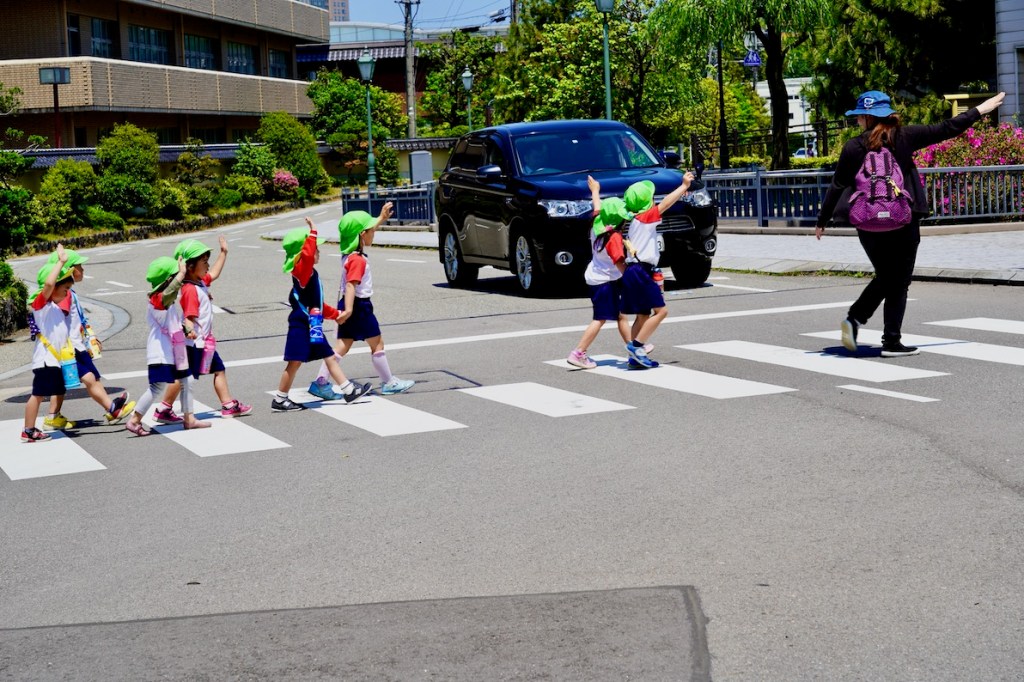
On my first visit 20 years ago, I was having some difficulty about my rail ticket, and decided to stand up and ask loudly in my rail carriage (to my two sons’ horror) – “does anyone speak English?” “Oh, I do,” said the man sitting next to me. He had heard me discussing my problem with my son, but didn’t want to intrude. Once he realised I wanted help, he willingly assisted. His English was excellent.
On another rail journey on that first trip, I said ‘excuse me’ in Japanese as I sat down next to a Japanese lady. We spent the next hour in silence, until she looked across the aisle to where my son was writing a post card to his Japanese teacher in Australia. “Oh, he’s writing in Japanese,” she blurted out in surprise. “And you speak English,” I answered, also in surprise. Turned out she spoke excellent English, having lived in New York for some time. But because of that ‘excuse me’ I had uttered in my limited Japanese, she thought I was fluent in the language, but that I didn’t want to converse. So she respected that.
We had a good laugh when I told her I only knew about 20 simple words of Japanese! We spent the remaining hour of the journey having a great chat – in English! And she kindly check read my son’s Japanese on his post card for mistakes. His Sensei in Australia must have been very impressed with his effort!
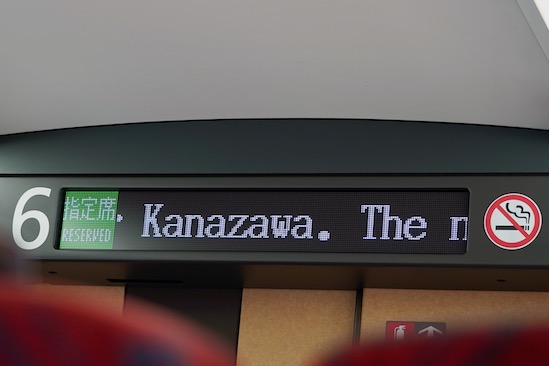
Japanese trains are immaculately clean. It’s one of the wonders of Japan to see a Shinkansen arrive at a Station, with a crew of cleaners ready to access and clean it as soon as passengers disembark. They are super quick and efficient. In 2020, a 44 person crew could clean and inspect a 16 car Shinkansen in 10 minutes!

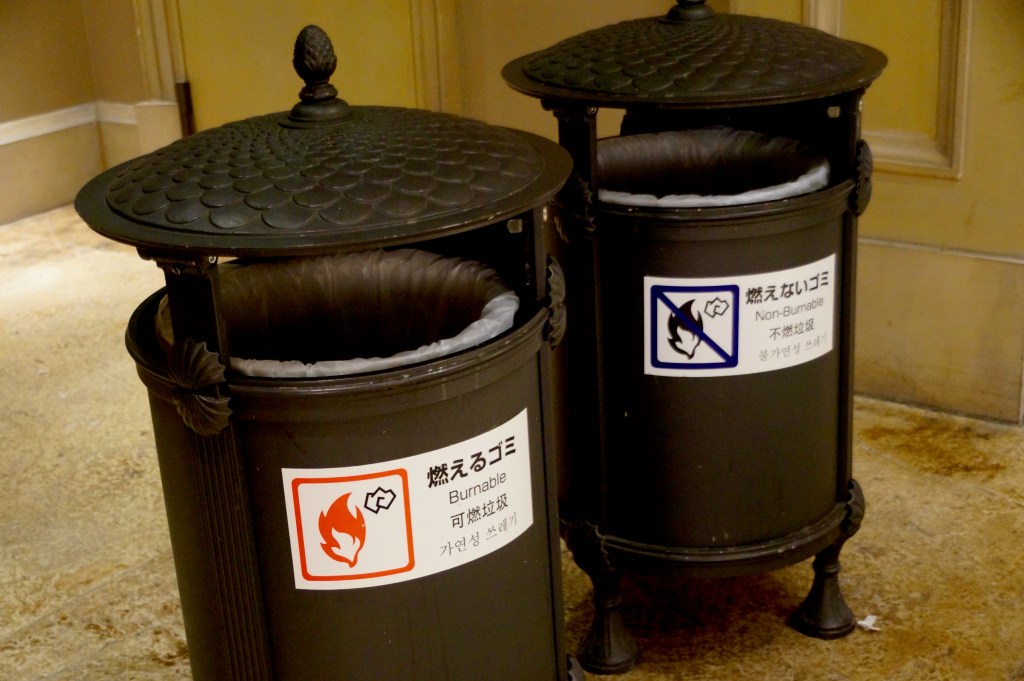
Sometimes, staff awaits at the train doors to collect your rubbish as you leave. If they are not there, please respect Japanese trains and take your rubbish with you. That applies anywhere in Japan. Take your rubbish with you until you can find a bin! That may not be an easy task, because there’s not an abundance of bins in Japan, and many are attractively disguised. Handy to have a small small bag for rubbish in your day ipack. It is also handy to carry a small bag for purchases from convenience stores etc as Japan is trying to do away with plastic bags that aren’t recyclable.
TRAVEL GUIDES
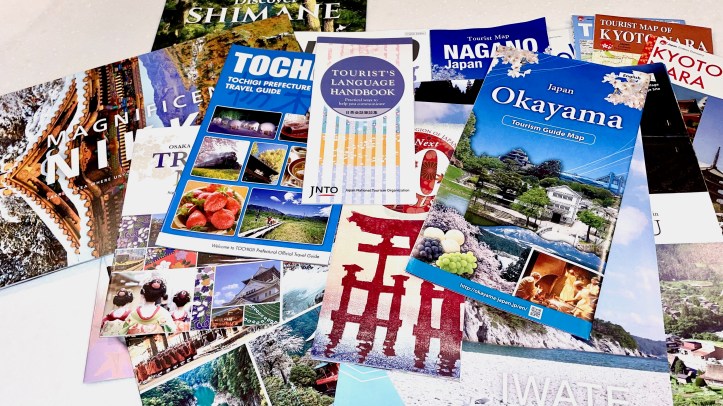
Pre trip, I access an abundance of travel brochures and guides from the Japan National Organisation JNTO in Sydney. Check out their site for downloading many of these.
https://www.japan.travel/en/au/
They also will readily answer email queries, and will send free brochures and booklets from Japan’s various prefectures to you by snail mail. They have a lot more than you’ll find at your usual travel agency, and are extremely helpful.
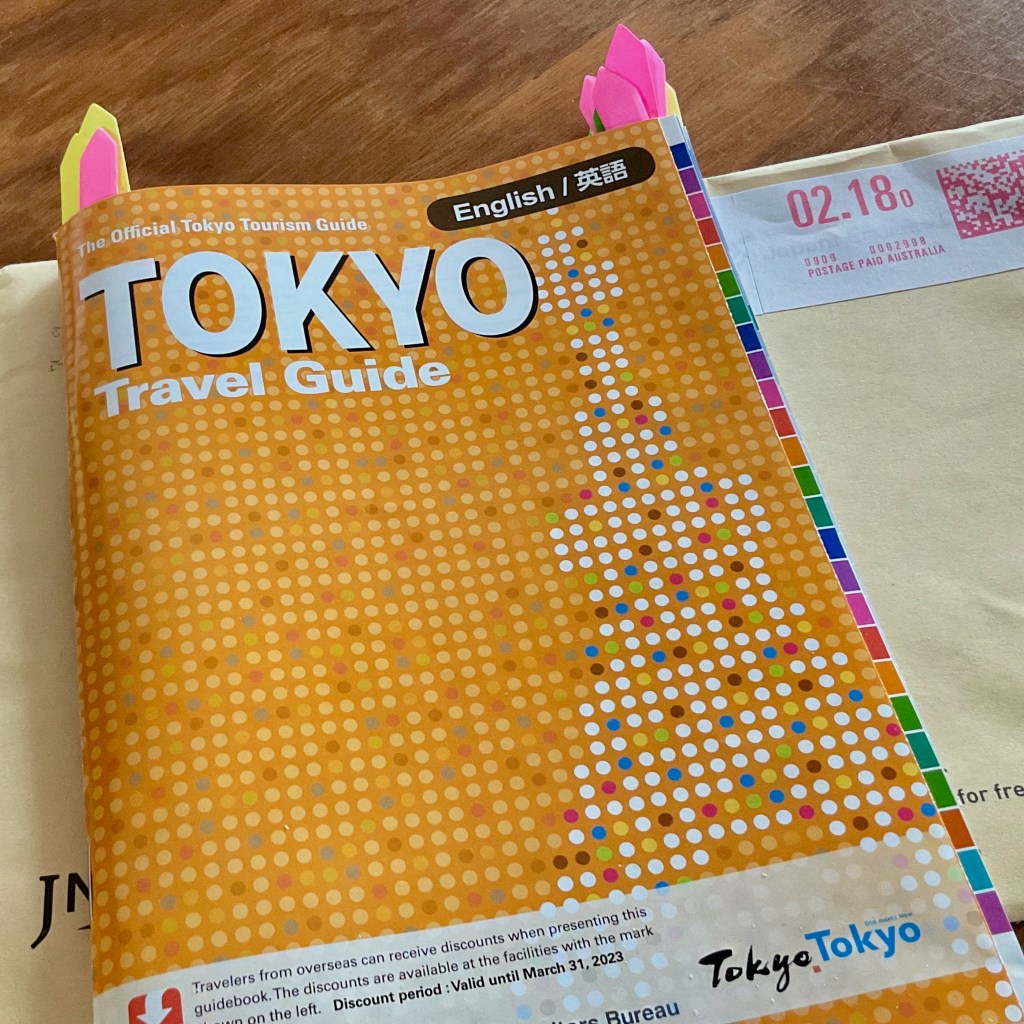
It’s very worthwhile checking out their website and accessing the brochures/booklets when planning your JAPAN trip. The site has loads of information on destinations, planning your trip and up to date news from Japan
NHK TV
Another tip is to download the Japanese government’s english NHK TV channel app and watch its many and varied programmes. I have learnt so much about Japan through viewing NHK TV, and some of the places I’ve visited have landed on my itineraries after seeing them on NHK. Their international news service also happens to be first rate. I have the NHK TV on my iPad and phone, and also chrome it to our main television. I’m a very regular viewer. My main problem with watching NHK throughout the past few pandemic years is that it has showcased so many places to see in Japan, it was challenging to make choices for my upcoming trip. Ah, well – might have to go again next year!
WHERE TO GO

It is up to you and what interests you. But for a first time traveller to Japan, I would recommend extended times in Tokyo and Kyoto – there’s so much to see and do. And you can use both these places as bases for wonderful day trips away from the city. I feel it’s best to book longer stays in the one accommodation rather than changing every few days, and undertaking day trips from your bases.
A good tip for a first trip is to check out tour brochures at your local travel agency, and follow their route! Your self planned, self booked independent trip will cost a lot less than guided tours, but their brochures contain lots of useful information.
The ancient capital of Nara and the prime tea growing area of Uji are good day trips from Kyoto. You can also do a long day trip from Kyoto to Hiroshima using your JR Pass if you are time poor. Or out to the beach at Amanohashidate! Amazing!
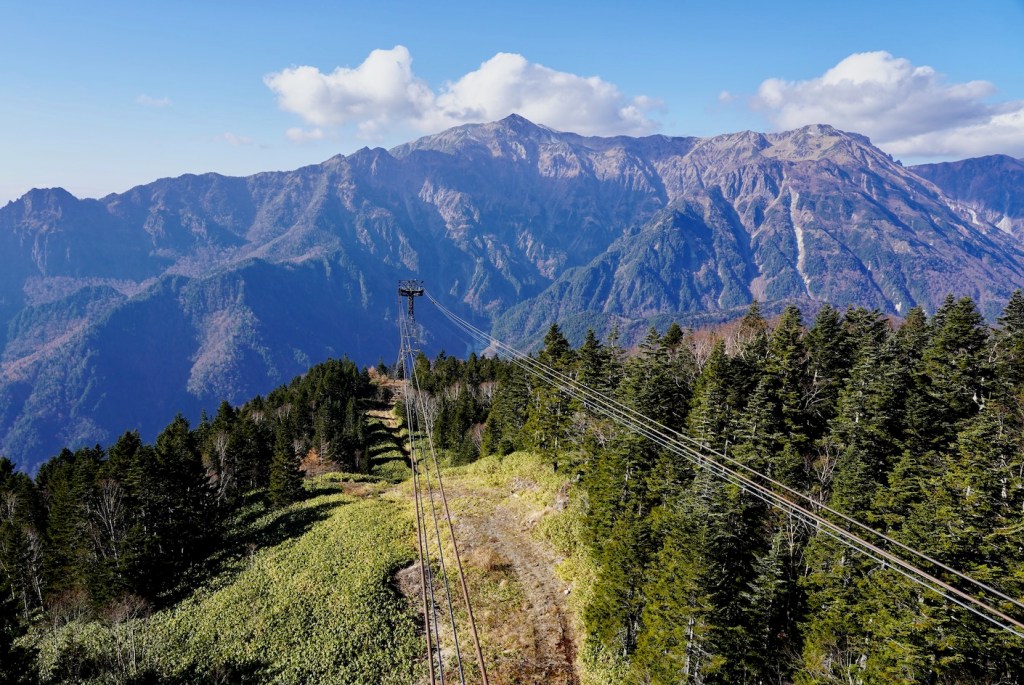
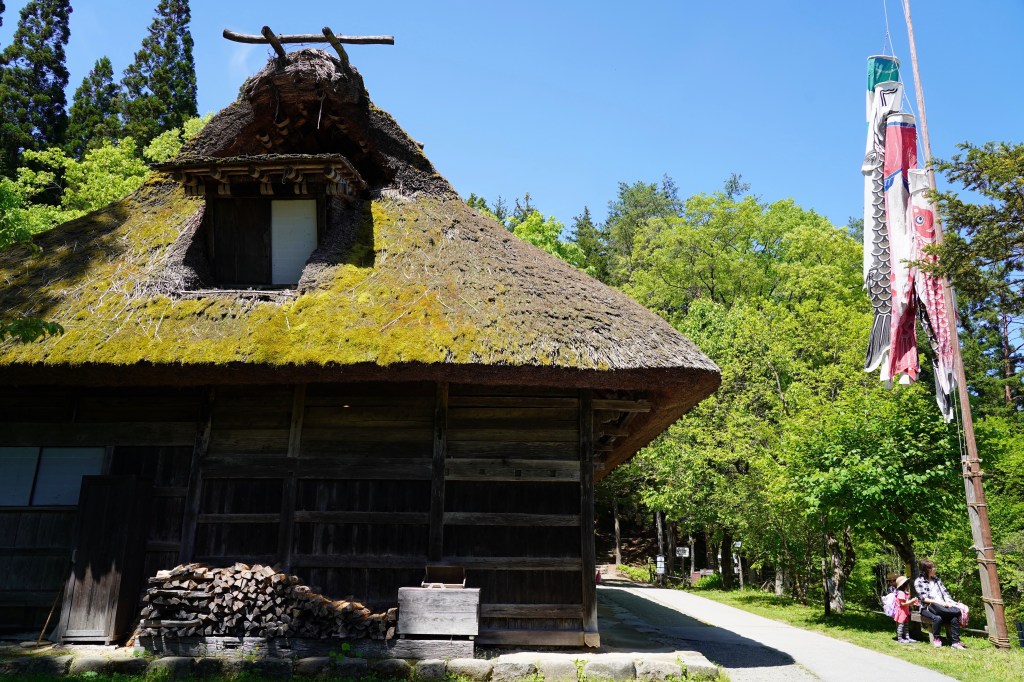
And definitely head off to the mountains for a long stay in Takayama in Gifu prefecture – a great base for exploring in the region including the wonderful Mount Norikua, the Hida folk village, the amazing Shinhotaka mountain ropeway, the neighbouring quaint town of Furukawa and the historical thatched houses of Shirakawago. And then there’s .. well .. so MUCH to see.
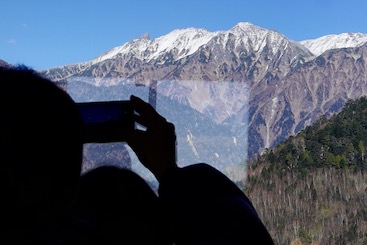
Finally – please take the trouble to learn a few essential words in Japanese such as ‘thank you’. It will be appreciated. And if you are toting a camera, learn the words for ‘May I’ – to use when you’d like to take a photo of someone. Again, it will be appreciated and you’ll achieve some wonderful snaps – ī desu ka?
By all means, use a translator app – but do try to learn a little Japanese yourself.
I hope I haven’t put you off a Japan holiday with all this detail. All I can say is, from my previous trips to Japan, researching and detailed planning is worth the effort.
I’m about to embark on my fifth Japan adventure, a trip that will take me north of Tokyo to Fukushiima and Niigata chasing unique train journeys and Samurai tales, down to Toyama for another special train trip along the magnificent Kurobe gorge, onto my favourite Takayama and Kyoto, and and then to a coastal place called Gamagori for a treat stay at a charming art deco hotel overlooking the ocean that has hosted an Emperor and Empress – and a 1934 American baseball team including Babe Ruth!
So, no more blog stories from me until sometime in December. In the meantime, there are 120 stories on this blog – many on Japan and Australia. So, happy reading – enjoy. You can follow my upcoming trip on my Instagram which I will update regularly during my journey. https://www.instagram.com/aussieboomer1/
 Travelling Therese