
My husband is a birder. So, for our November 2023 trip to Japan, I suggested he pack his binoculars because I was going to find him a special birdwatching spot.
And fortunately I came up trumps, taking us off the beaten western tourist track to the Karuizawa Wild Bird Sanctuary in Nagano prefecture, packed with autumn colours for our visit.
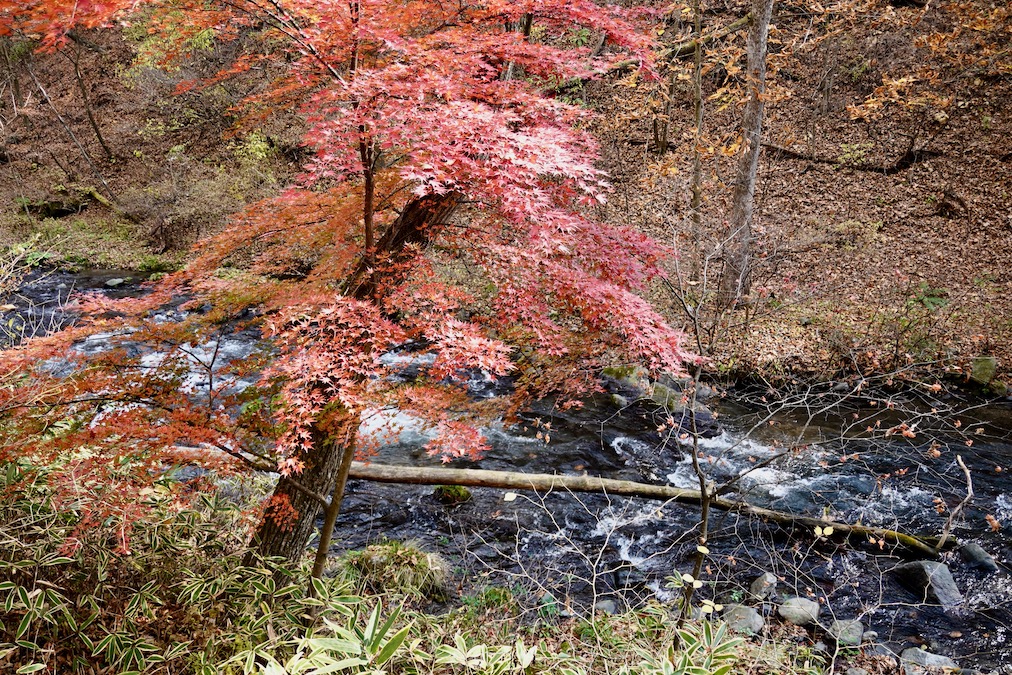
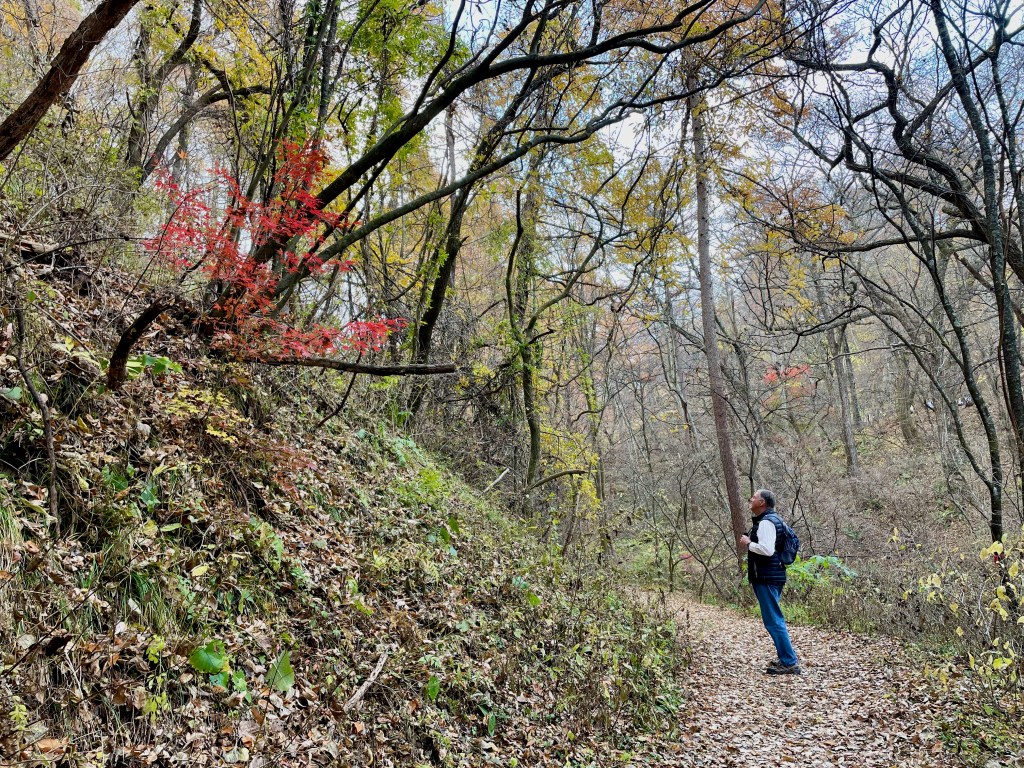
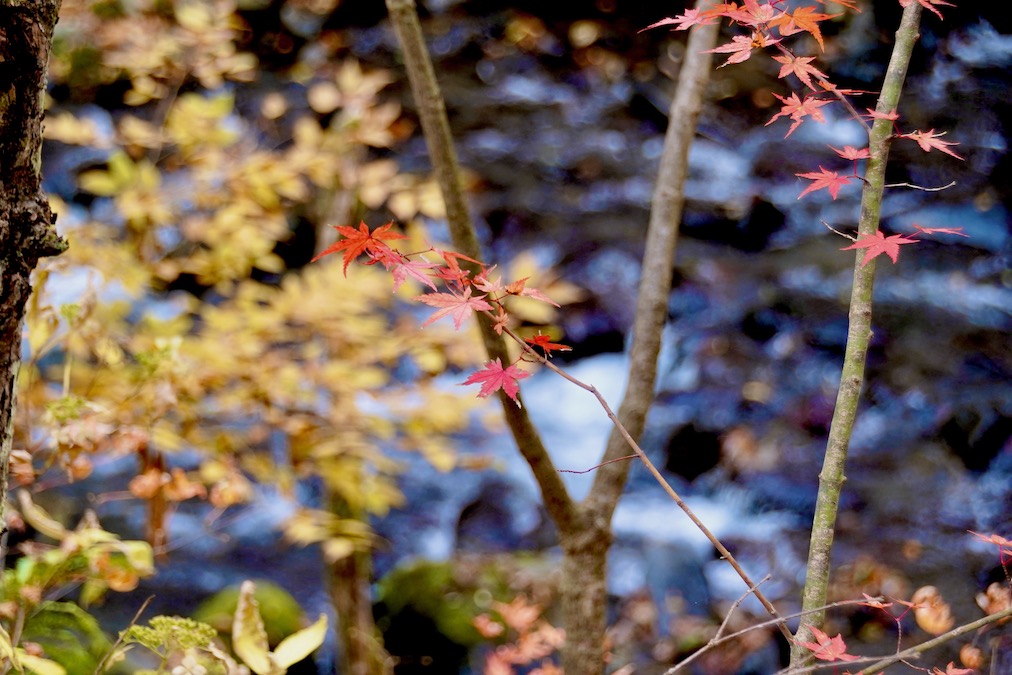
The forested sanctuary covers around 100 hectares and is home to at least eighty species of birds and forty species of mammals.

What I didn’t know was the forest’s animals include wild bears, monkeys and bats!
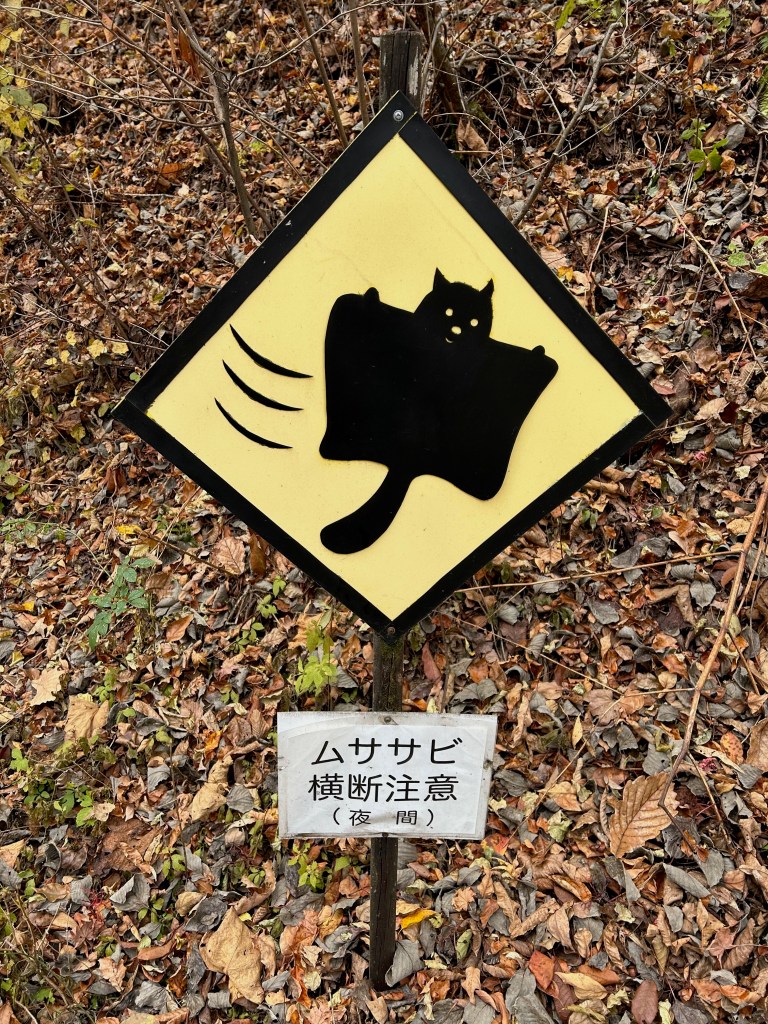
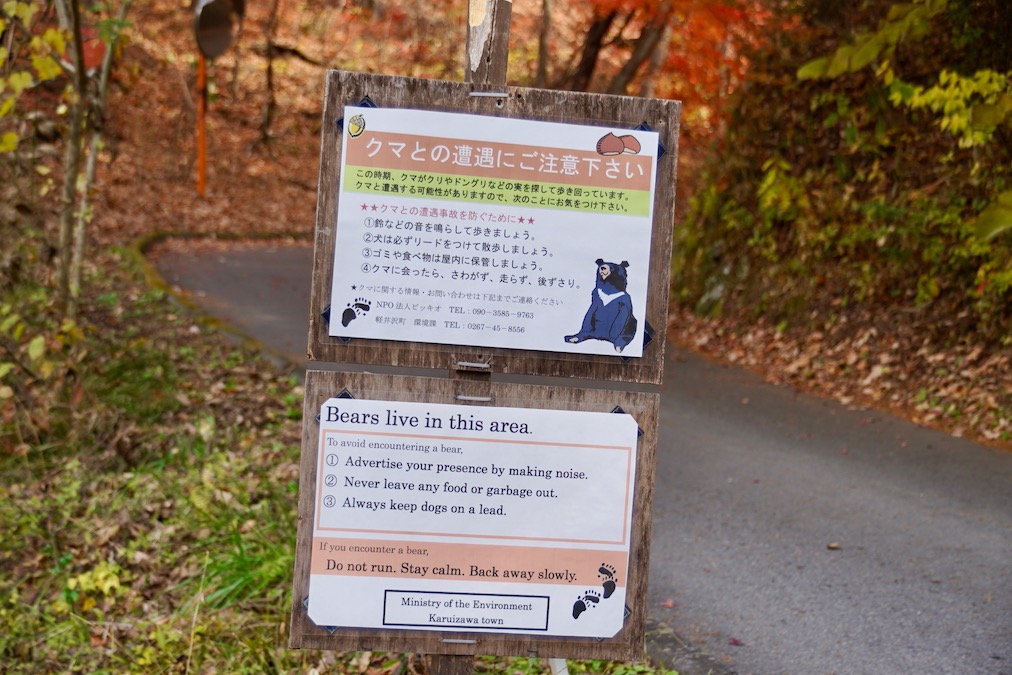
We were able to easily catch a bus from the Karuizawa railway station up to the sanctuary which includes the Picchio Visitors Center. Picchio undertakes wildlife research in Japan and had its beginnings in Karuizawa as a wild bird research centre back in the early 1990’s
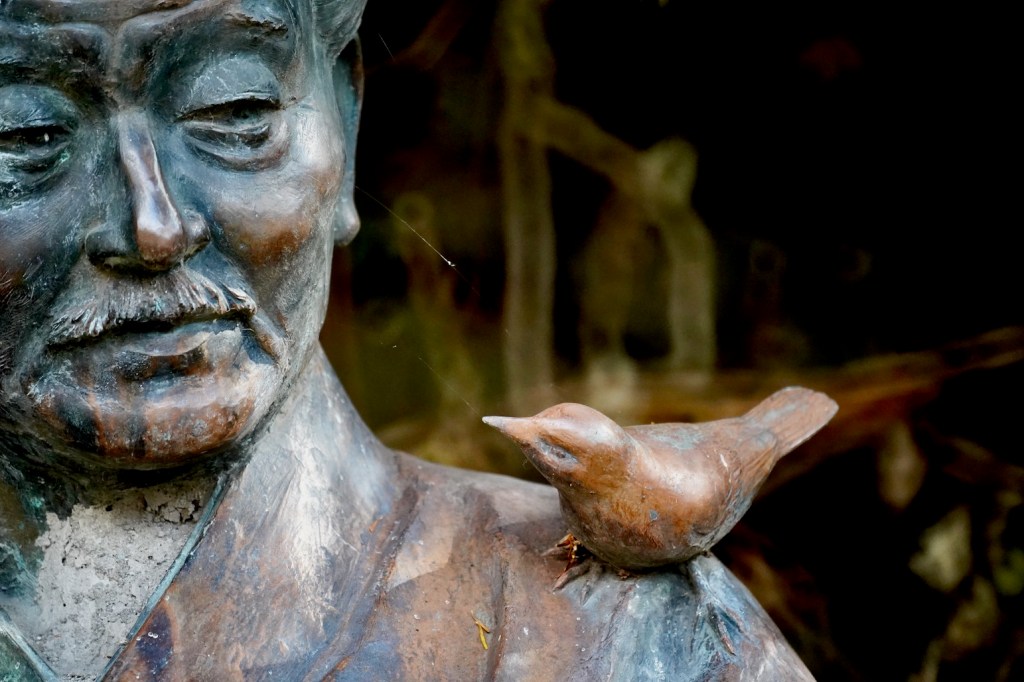
One of its main founders Kasuke Hoshino was good friends with a famous Japanese poet and philosopher – a key figure in setting up this Karuizawa forest as Japan’s first bird sanctuary in the 1970’s. This forest is where Picchio now guides most of its nature tours, available to the public.
You can choose to pay for a guided tour, or you can wander freely to birdwatch along the sanctuary’s tracks. With a wonky knee still recovering from surgery, I wasn’t sure if I could match the pace of other walkers, so we didn’t sign up for a guided tour.

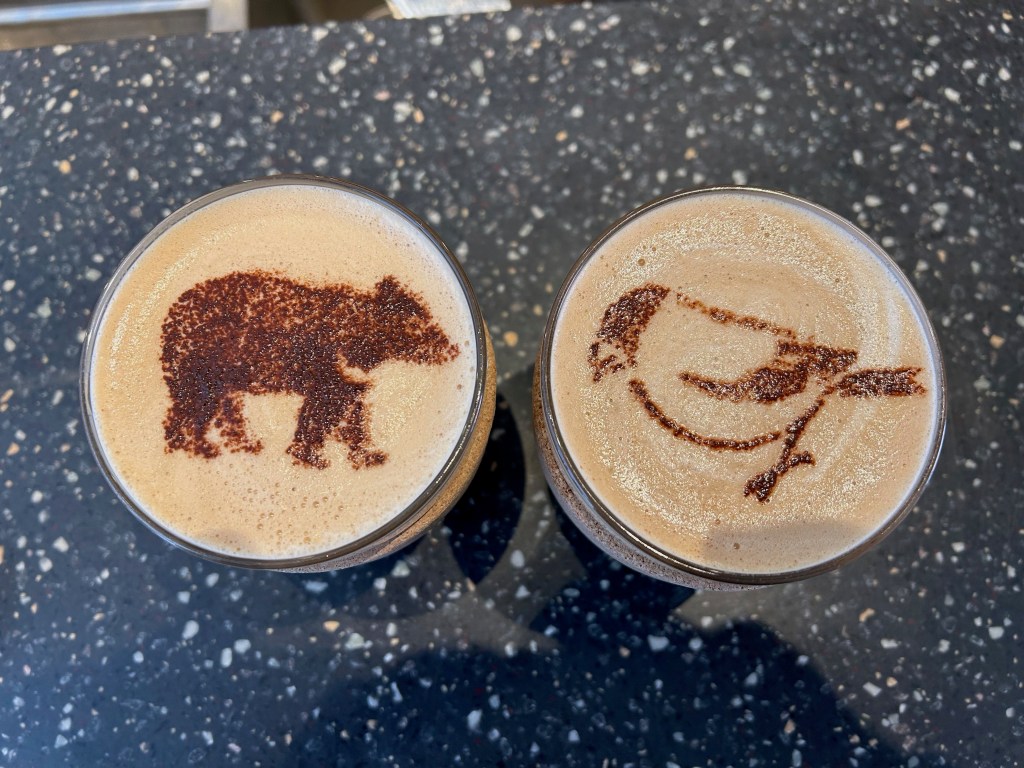
Picchio also runs a coffee shop at the Karuizawa sanctuary besides a small pond – home to many kinds of birds, dragonflies and frogs. The centre sells bear bells, hires binoculars and has cute bird shape biscuits (cookies). No doubt a fundraiser for its research work. The coffee was excellent and topped with bird and bear images!
The Picchio centre was very helpful to me with information via email (in english) when I was researching our visit and trying to work out how to get to the wild bird sanctuary.

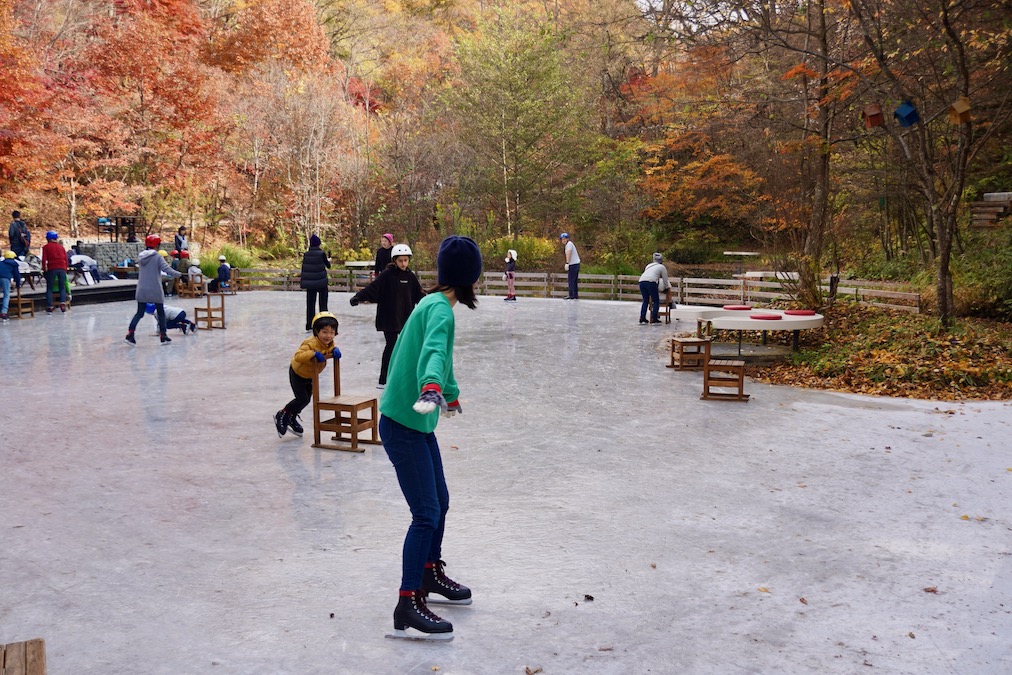
When we arrived early in November, the pond by the visitor centre was already iced over, transformed into a skating rink for the oncoming winter. Very popular! You can hire skates there, and ‘skating’ chairs are provided to support those who are not good at skating – great particularly for kids.
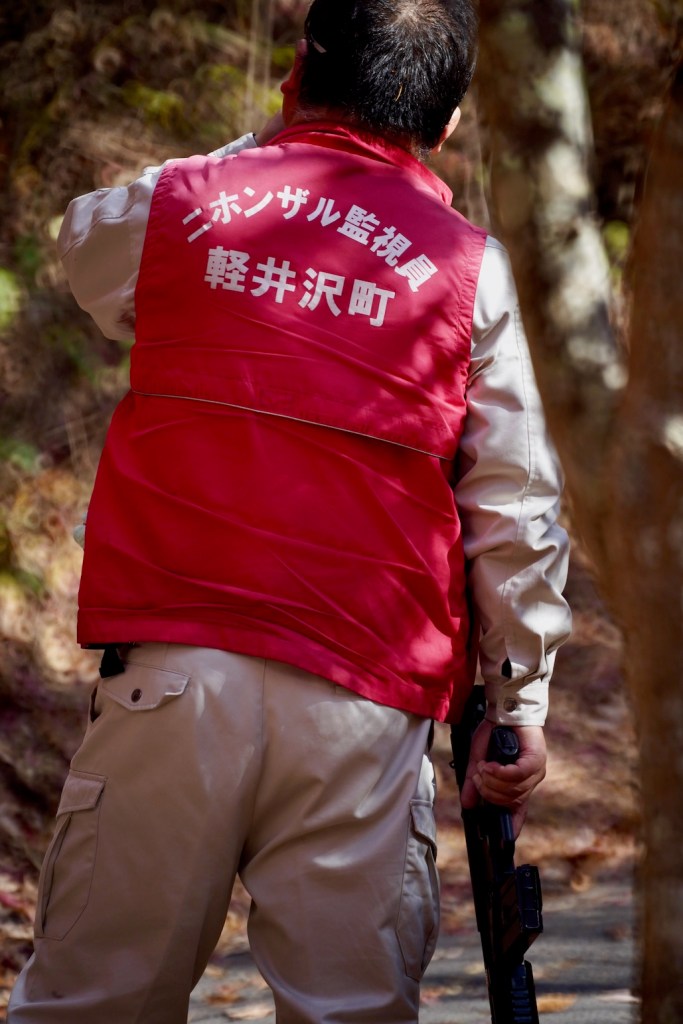
Enjoying a coffee break in the morning sun, we suddenly heard the ranger shooting his sound gun to ward off – was it a bear or a monkey? We weren’t sure.
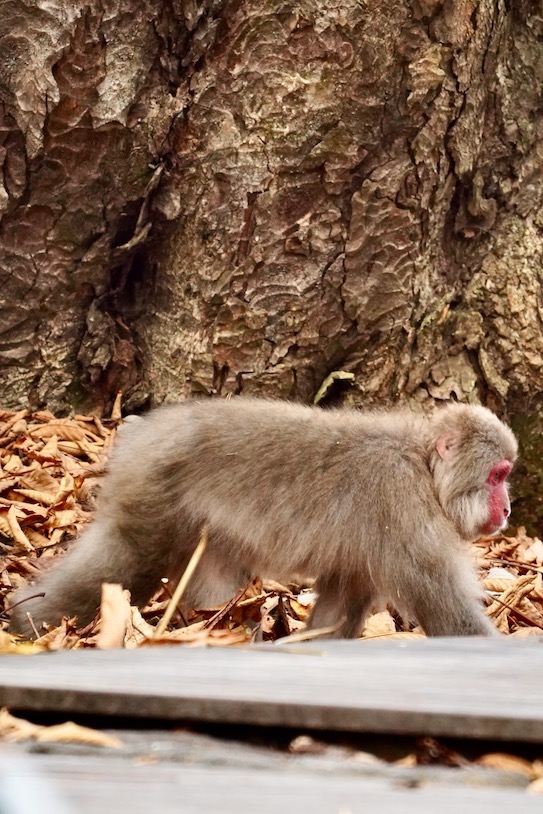
Then shortly after a little troupe of monkeys calmly wandered by on a path close by the pond, creating much excitement amongst the skaters and those at the cafe. I am very familiar with these type of monkeys, as a small number live in a park in my Launceston home town in Tasmania (Australia), gifted by its sister city, Ikeda (Osaka). But I had never seen them in the wild before.
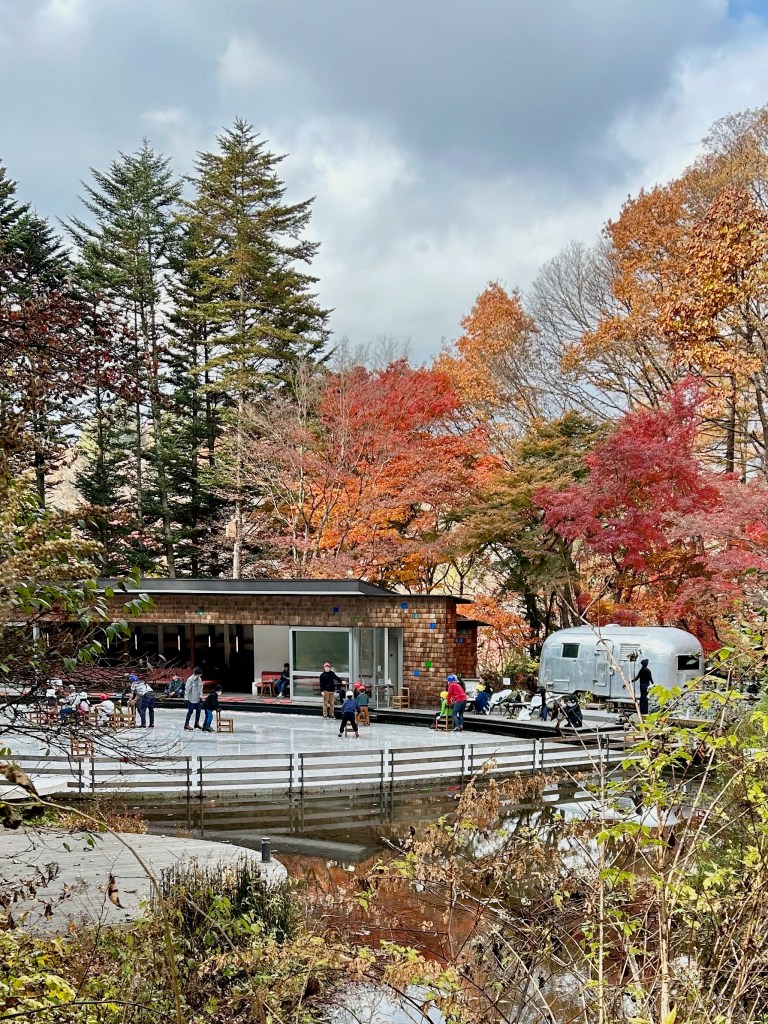
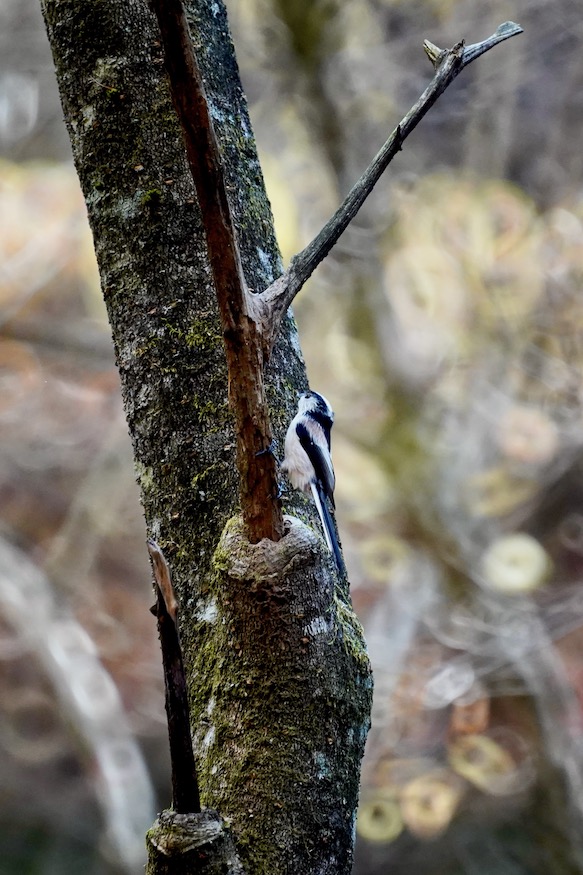
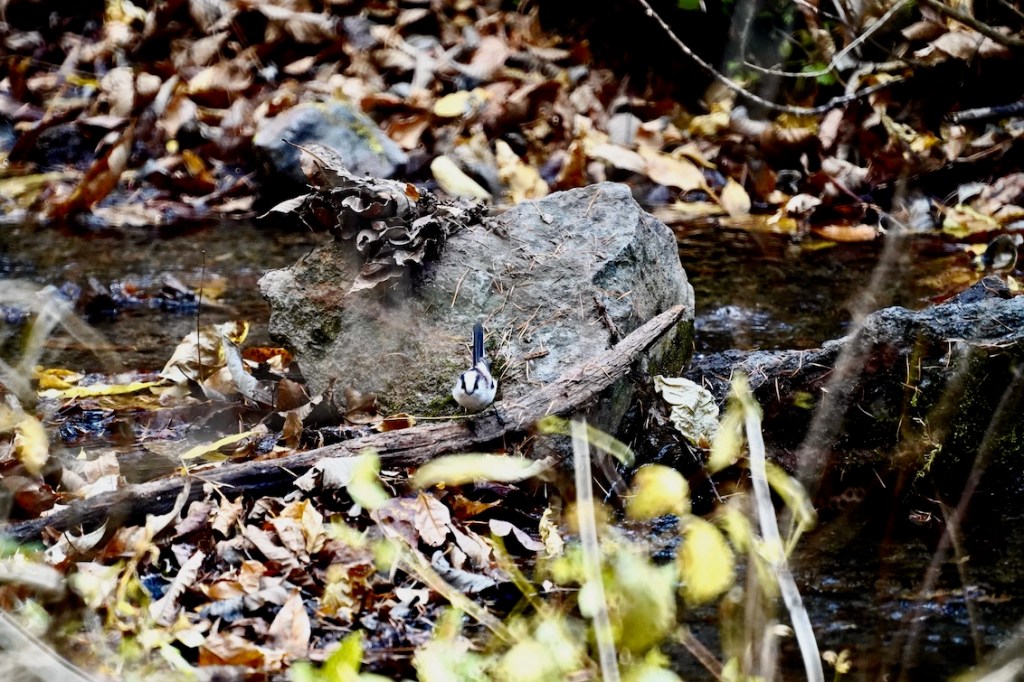
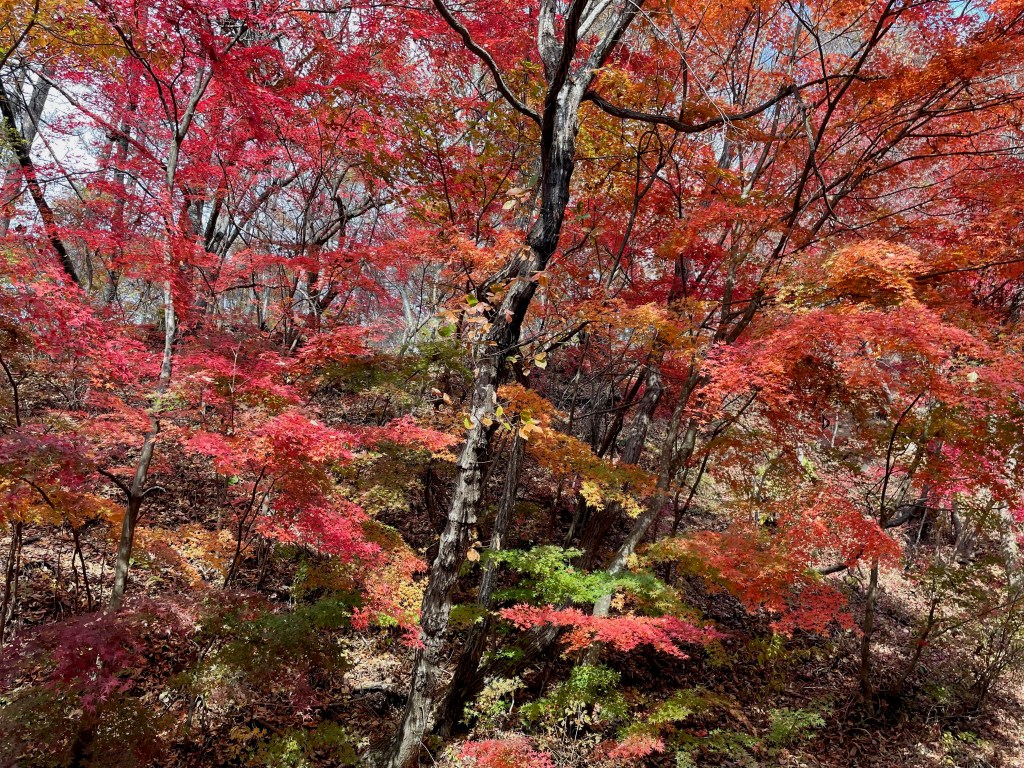
We were the only westerners in sight on the day we visited – a pity, as the Karuizawa Wild Bird Sanctuary was a wonderful place to visit, and a superb forest for autumn colours in November. MJ spotted a lot more birds than I managed to capture with my camera. Having left my big zoom lens at home, achieving good bird photos is challenging.


There are good restaurants adjoining the park, although popular – so you might have a wait to get in. There are also good areas for picnics, and I spotted what looked like a wonderful book exchange as well.

Karuizawa, by the way, is an old post town on the Eastern Nagano Nakasendo route. Today, it is a very upmarket resort town, reminding me of European places such as Chamonix in France. It’s a short Shinkansen ride from Tokyo, direct to the town. I will be writing more about it in an upcoming blog story, including a look at a most unusual waterfall!
For more information about Picchio wildlife research – check out the Picchio website:
 Travelling Therese
[…] Therese’s Nagano Birds, Bears & Monkeys: offers us a peek into the Karuizawa Wild Bird […]
LikeLike
How lovely that you managed to catch wildlife and the lovely fall leaves. I often wonder how one keeps all your equipment safe during travel – I imagine you have some heavy duty packing cases.
LikeLike
Definitely not heavy duty. My luggage gets lighter with each trip! You learn to get down to the basics. It’s a matter of what is important to take, and my camera always has priority as photography is a big part of my travel enjoyment. It gives me a keen eye, and I feel I see things I might otherwise have not noticed if I wasn’t photographing. I have a small lightweight camera bag that fits my Sony 7iii, a Sony 6000 (my backup camera), two lens, and spare batteries etc, plus a small lightweight flash unit. On my last trip, because of my knee problems, I was trying to keep my luggage very light, so the camera bag was abandoned. The main camera and lens went into my day backpack (carry on luggage) and the spare and lens was wrapped in clothes and carried in my case. In 2017, intent on photographing in Singapore, I tripped and, as I fell, I tried to save the camera. Did so, but fractured my shoulder! I did lose a flash unit once when it fell off a hotel room table I accidentally bumped. Most of the time during travels, the main camera is hanging off me, ready to capture a shot. It did fail me in 2019 (Japan) – a problem I sorted after the trip. So the spare had to do its job – proving the value of taking a spare. I use my apple phone for foodie photos … that’s an idea! A foodie blog on Japan! I should do that LOL.
LikeLike