I have sorely tested my husband’s loyalty. On my spring visit to Japan this year I came up with a very big ask – get out of bed at 4 o’clock on a dark and chilly morning to accompany me on a visit to a fruit and veg market that opens at 5am and is closed by 7.30am somewhere in the suburbs of Iwate’s Morioka city.
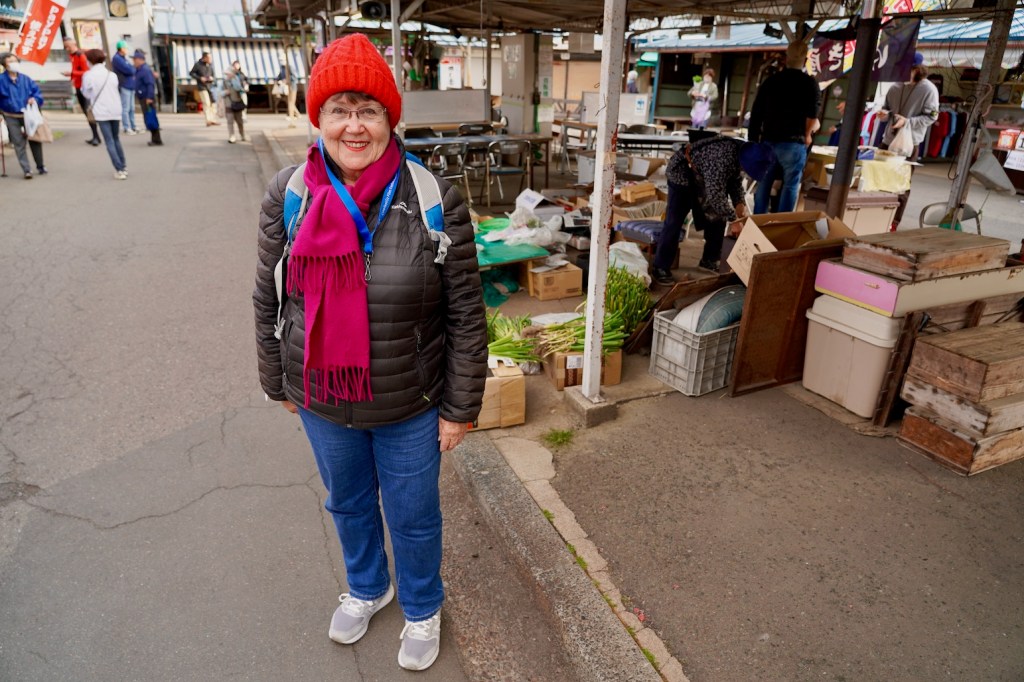
Actually, the times for the market vary depending on what information you source – I’ve read 4am for opening and as late as 8.30am for closure. But universally, references suggest most of the stalls are closing down by 7. I decided to bet on 5am, and when we arrived – rugged up against the early spring cold in beanies, scarves and gloves – it was well underway.
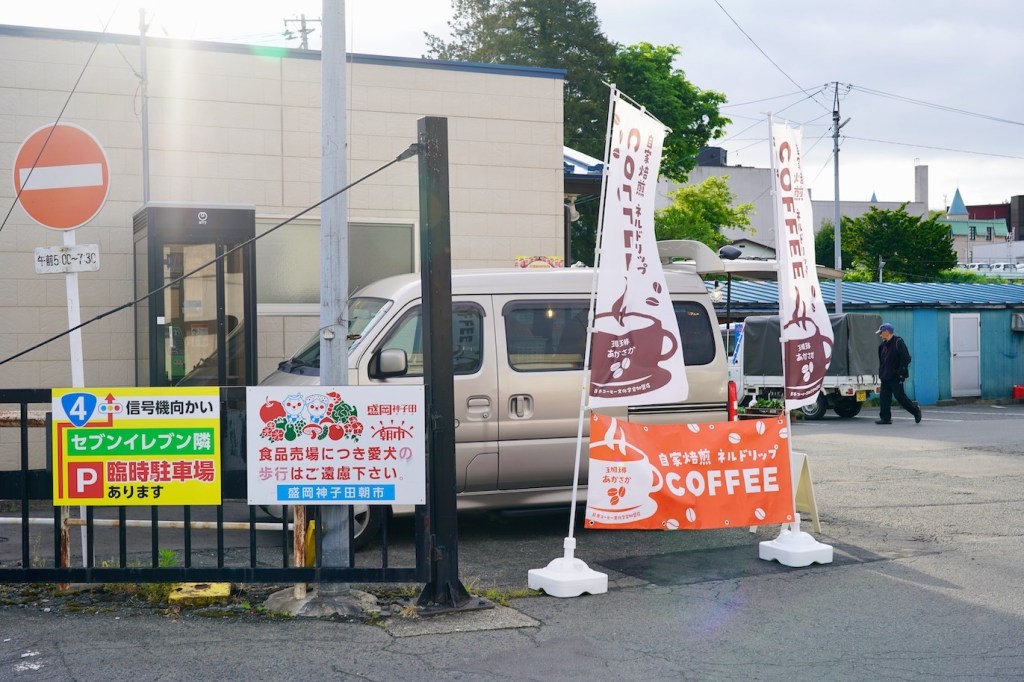
This is not just any market. The Mikoda Morning Market in Morioka, the capital city of Japan’s Iwate prefecture, has been running for nearly 50 years, and is an experience not to be missed. It seems to also go under the name Kamikoda markets. A sign at the market entrance shows both names. Not sure why. They have a facebook site, but it’s all in Japanese. I google translated it, but still couldn’t figure out the name doubles.
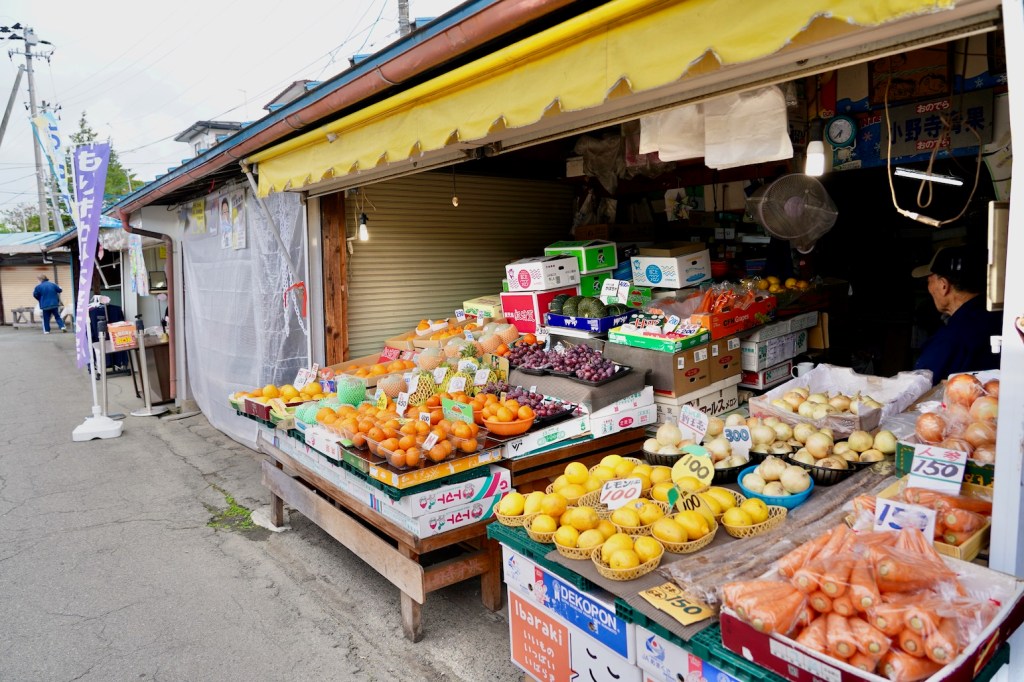
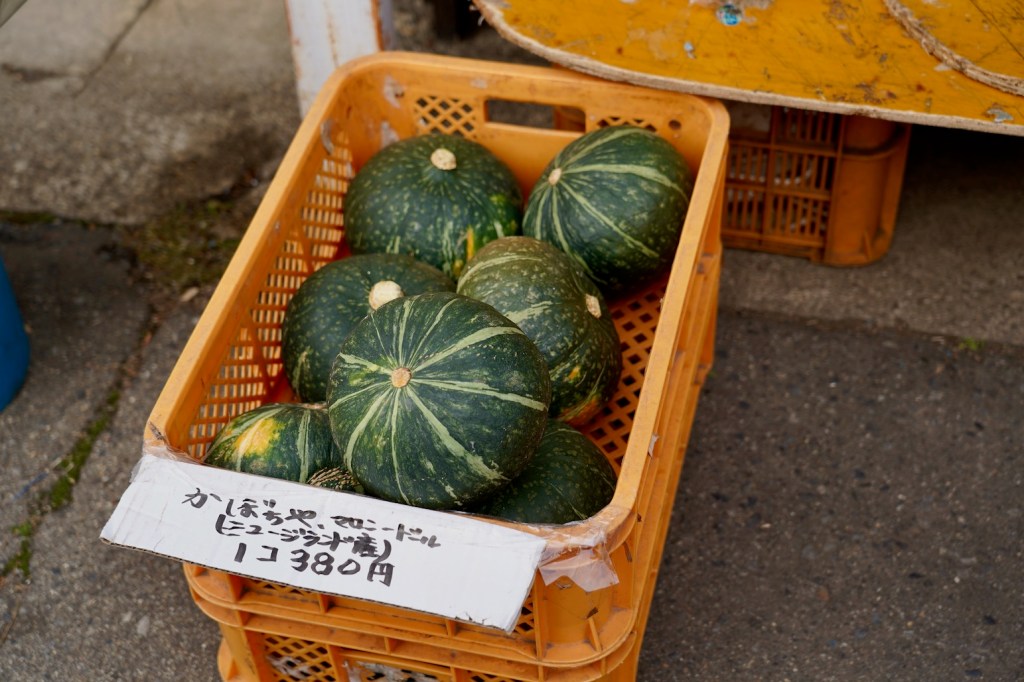
I did learn that the market evolved as the local farmers fought back against big corporations to sell their products freshly, cheaply and locally. Today, stall holders are largely farmers who bring their seasonal fresh produce and plants to sell in small concreted market spaces, protected under tin roofs. Though I was perplexed when one sign suggested some pumpkins were from New Zealand!
There’s other things for sale, apart from food and plants including an eclectic mix includes winter boots and deer antlers!

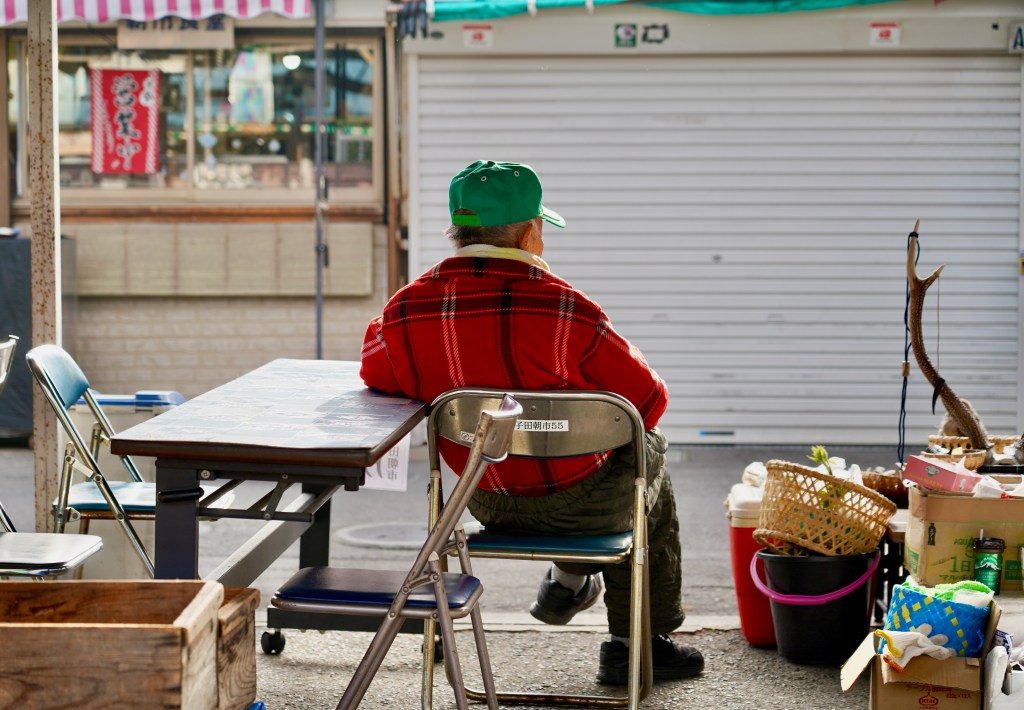
This market is not fancy. There’s no tourist souvenirs. In fact, when we visited, we sighted no other tourists! It is not aimed at tourists, though some, like us, find their way there. It’s the largest cooperative type market in Japan – not big, not flash. And it’s not set up in a picturesque location.
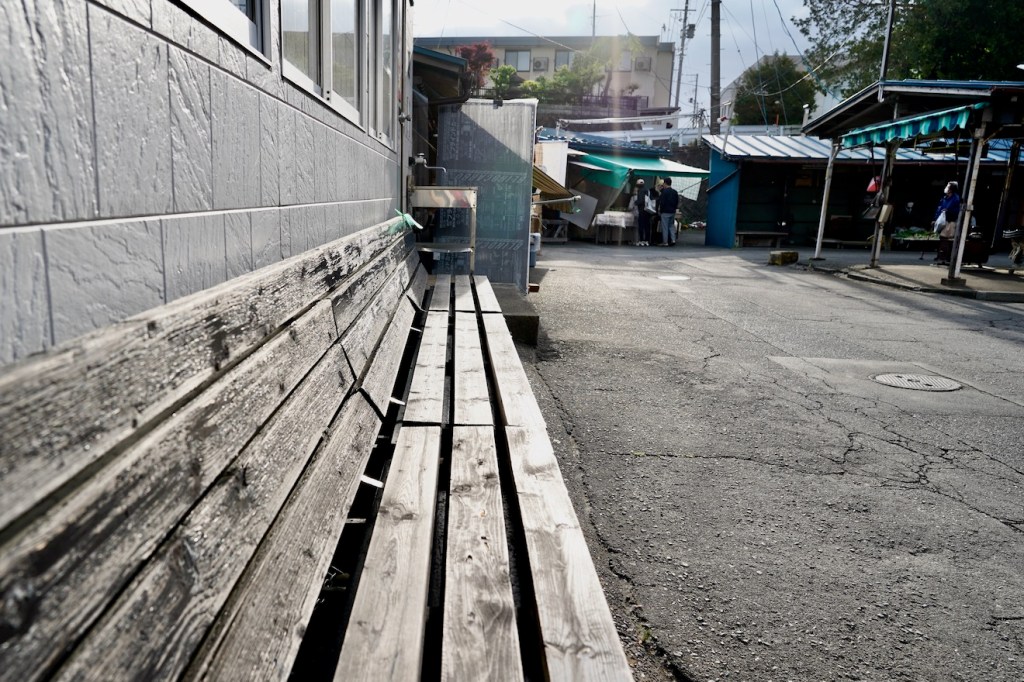
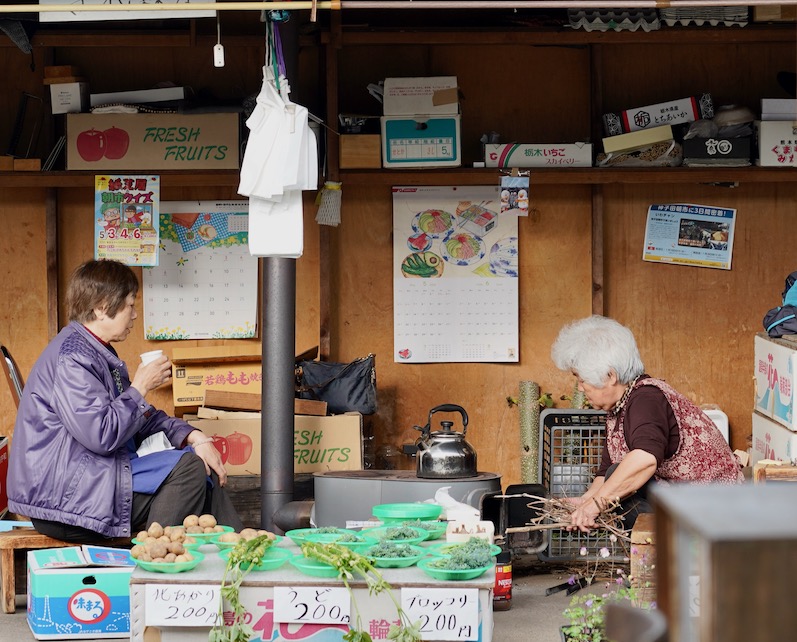
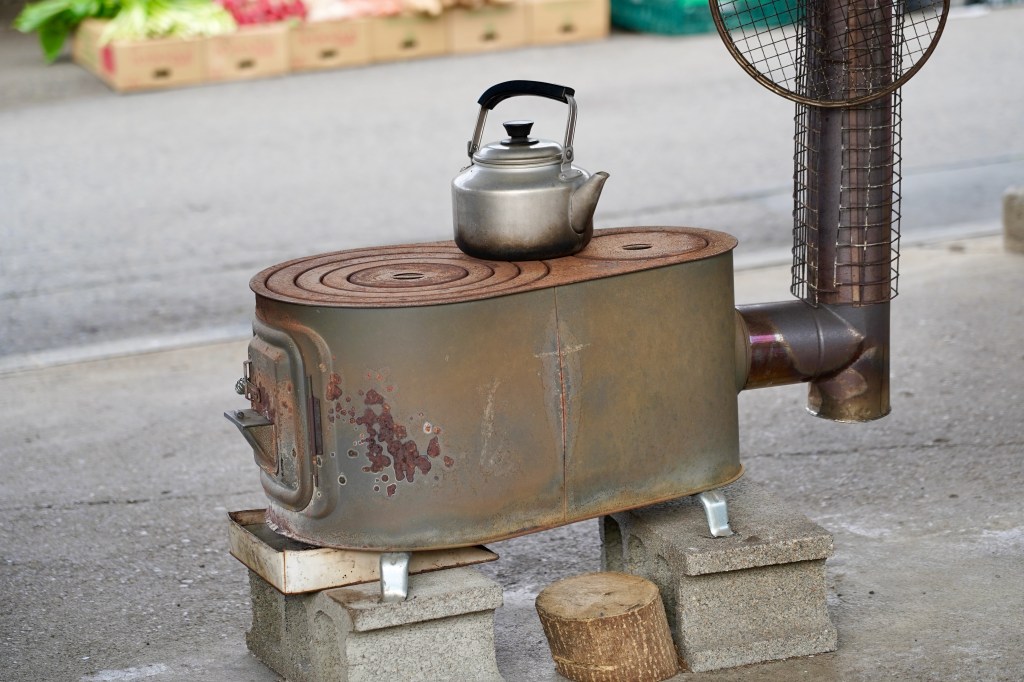
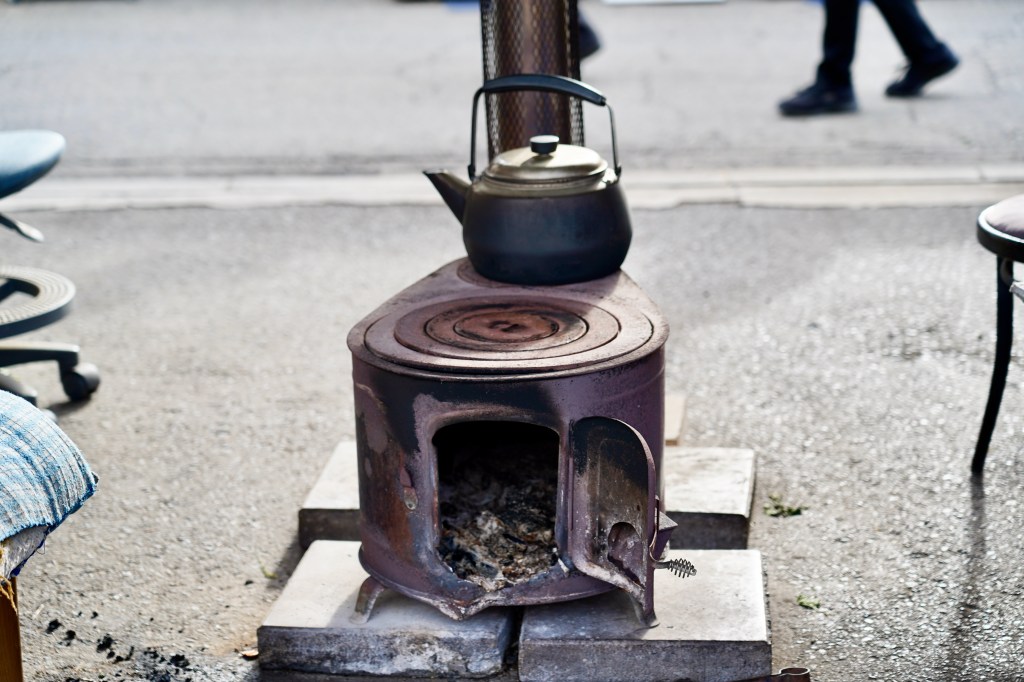
It’s all cracked old concrete and aged bitumen, a hotch potch of stalls, old wood stoves, stacks of old fashioned wooden boxes, thin metal chimneys leading from pot belly stoves and a precarious maze of electricity wires. Its beauty lies in its simplicity and its authentic nature. Locally sourced produce, much of it being sold by the people who grew it. In Australia, we would probably call it a farmers gate market.
It’s not easy to find! There are buses running near by – but not at 5am!
Knowing that it was out in the suburbs of Morioka, I thought we would just ask our hotel desk to call us a taxi. Good thought, except the reception was closed at that very early hour. So we ventured out to the Morioka railway station across from our hotel – hoping a taxi or two might be lurking at this ungodly time. Luckily, there were. No english speaking drivers though. No worries. Google translate and that old favourite – point at a map!

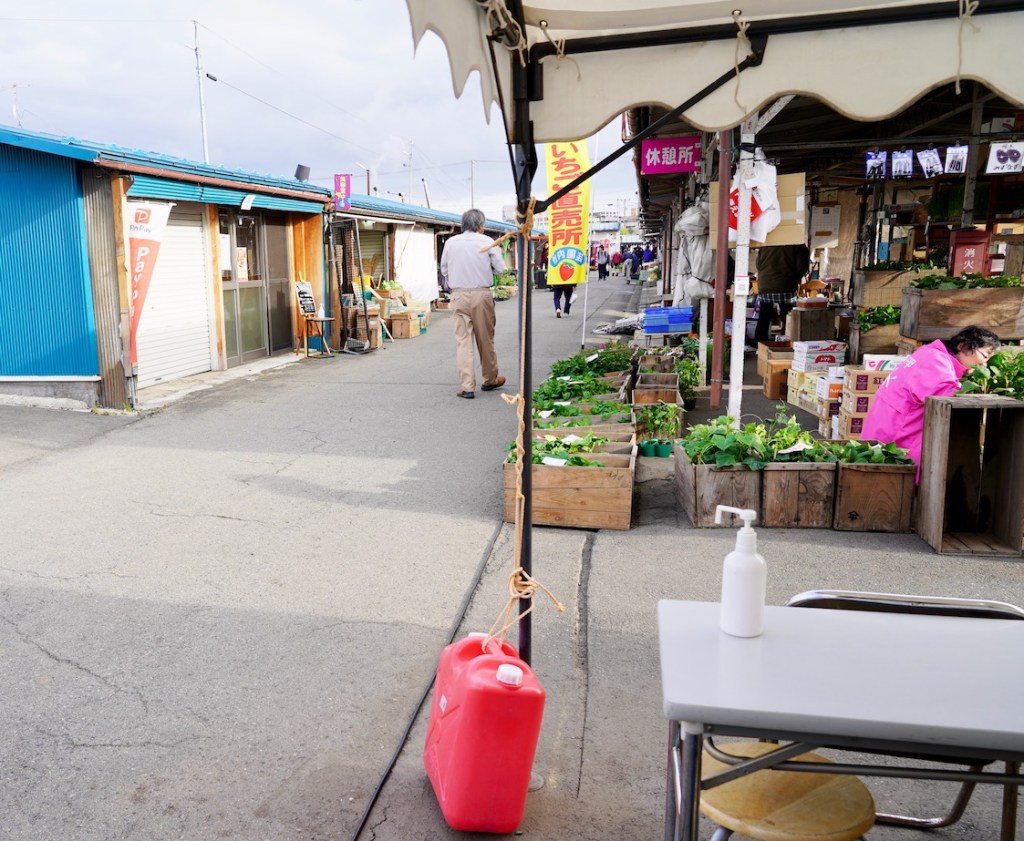
I’m glad we didn’t try walking there. It would have been quite a hike, and I seriously doubt we would have found our way. It almost seemed hidden, down a little alleyway in a maze of streets, set up in what seemed to be a somewhat down trodden empty parking lot.

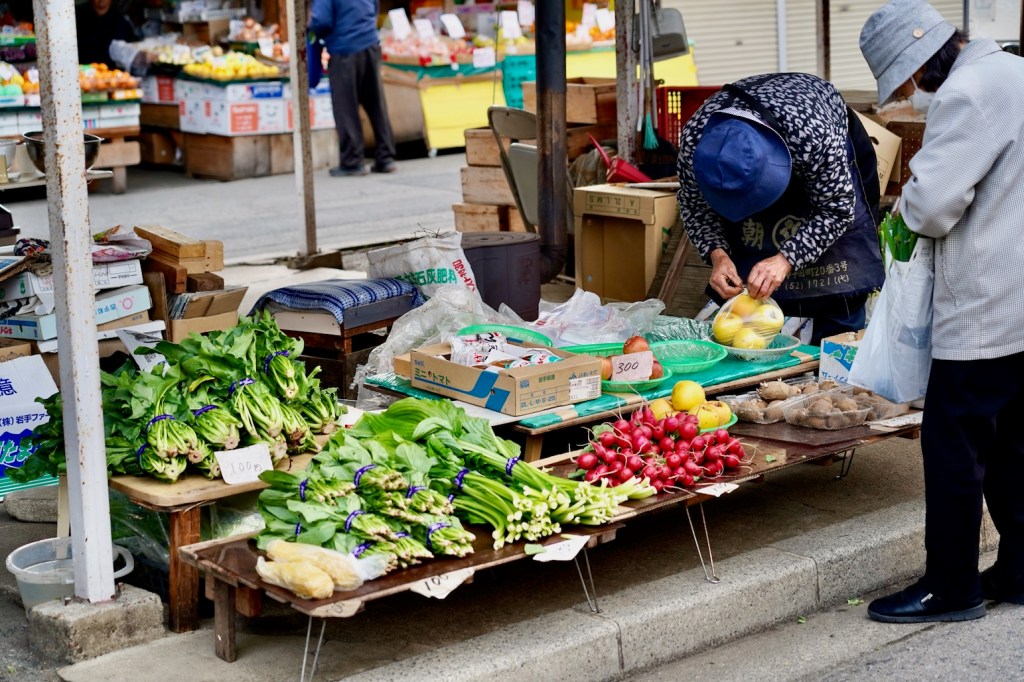
There were two market ‘streets’, offering vegetables, plants, flowers, fruit, pickles, clothes, even shoes. And food to eat in set aside ‘dining’ areas. Popular with those who hadn’t had breakfast, like us, were hot food vendors cooking authentic local Iwate dishes! The aromas were tantalising, and it wasn’t long before we were sampling!


Most of the stalls had rusty pot belly stoves, with kettles ready to heat up hot drinks – though on this morning few had them lit. This is an area that is snowed in by winter, so perhaps they thought it was a warm morning! I felt a little overdressed in this little enclave of hardened Iwate locals, and soon abandoned my bright red woolly hat and gloves!
What were some of my joys here? Just being there, for one. I saw my first fresh ferns as a vegetable on sale! Popular in Japanese cooking. They were arranged in little bundles. Later on in my May trip, I tasted them cooked – they were ok. Maybe a little lemon juice sprinkled over them would liven the dish up.

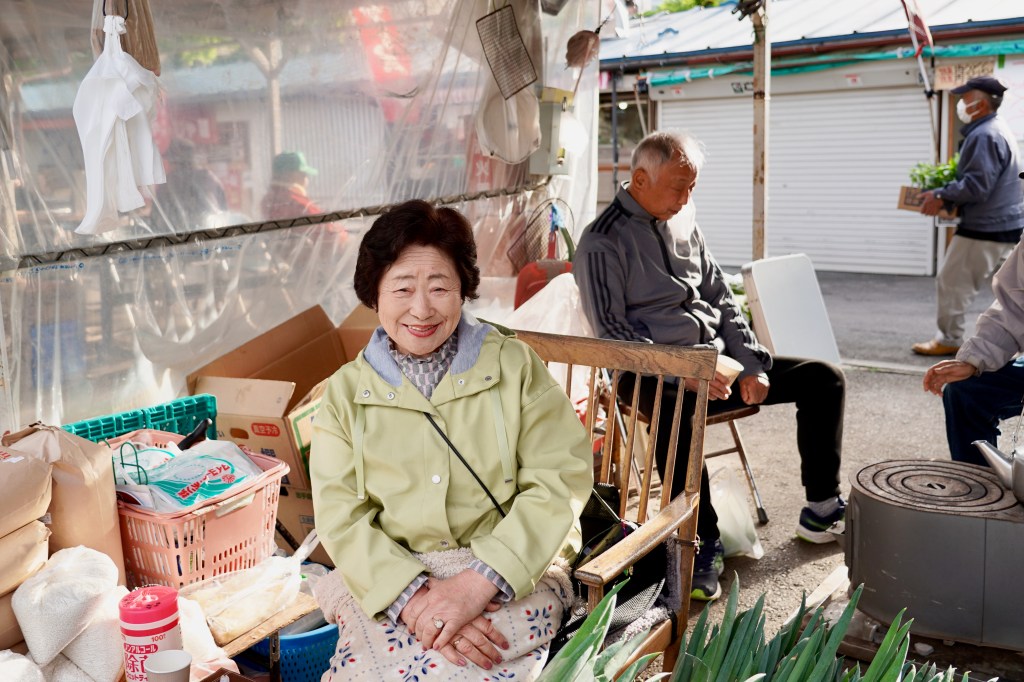
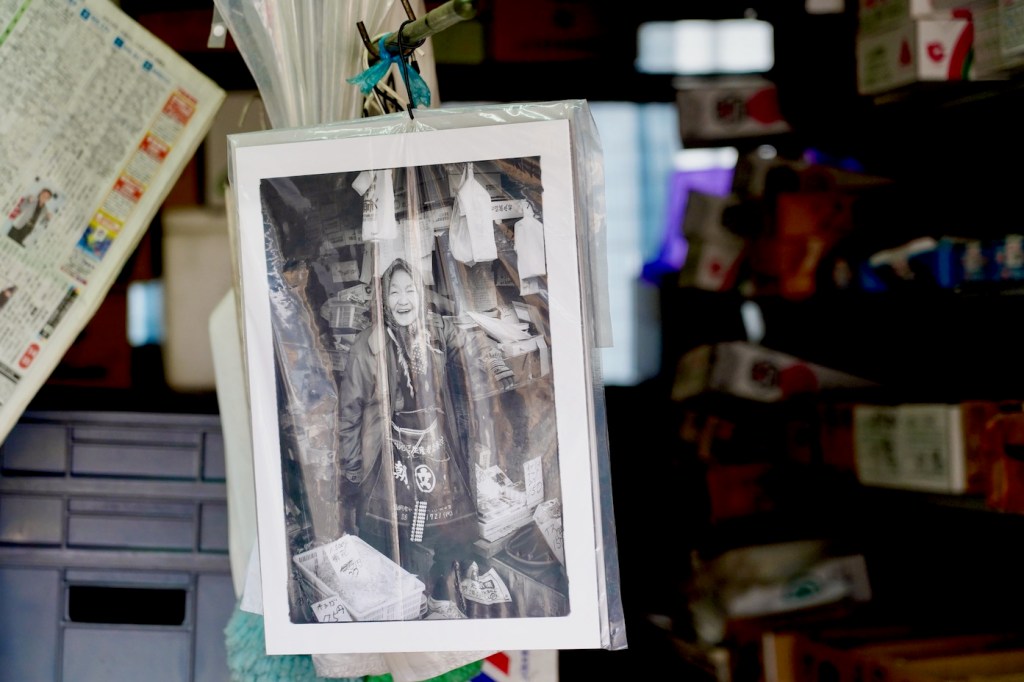
I wandered amongst the stalls and chatted’ to the local stall owners – sign language is a wonderful thing when there is no common language! Some kindly posed for my camera, and I realised they were asking where I was from? Australia – I would reply – drawing it out to try to sound like the Japanese pronunciation of Australia. If they looked blank, I would add SYD-EN-EE. The pronunciation made famous world wide at the Sydney Olympic Games. Of course, I live nowhere near Sydney, but it got the message across. Not British, not American – Australian. And that seemed to always draw a friendly reaction.
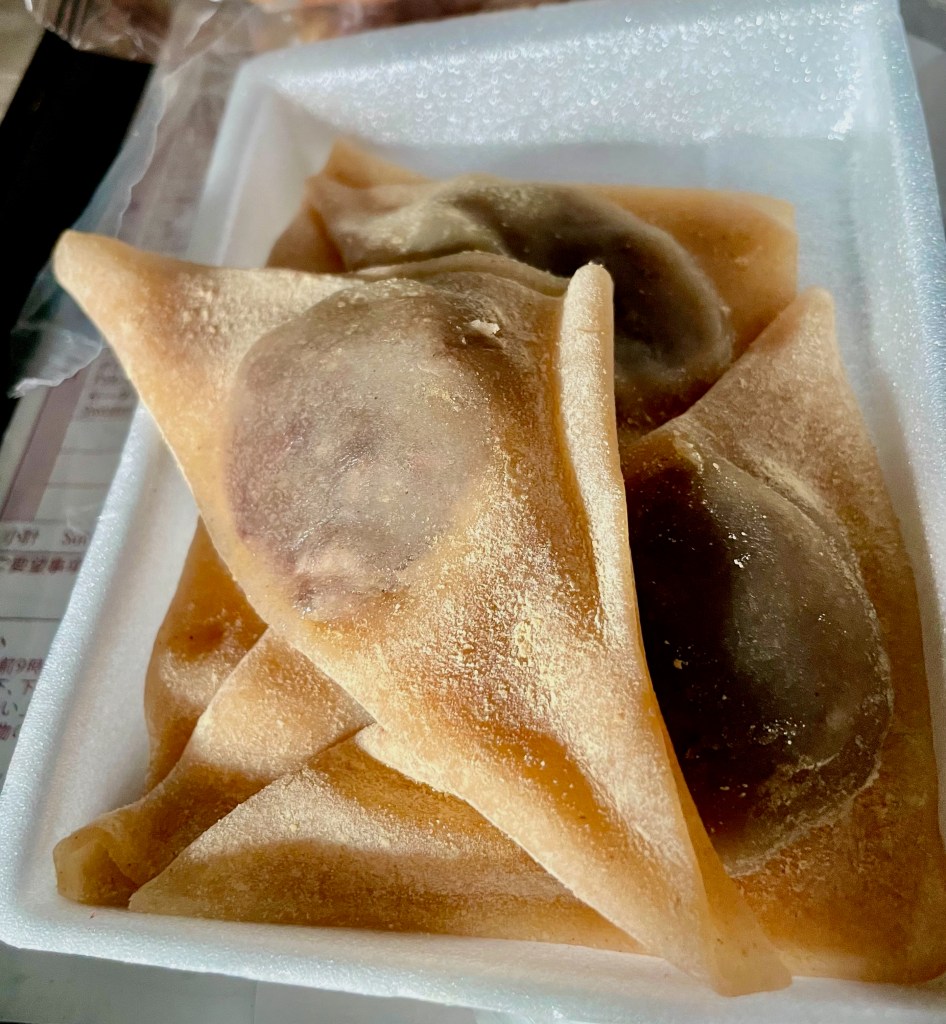
I tried some of the sweets this area is famous for: kirisensho, made with a sweet walnut sauce will now forever be one of my Japanese favourites. It’s put together from rice flour, walnuts, sesame, sugar and soy sauce. Delicious. And another dish, walnuts in a pancake and a sweet sauce!
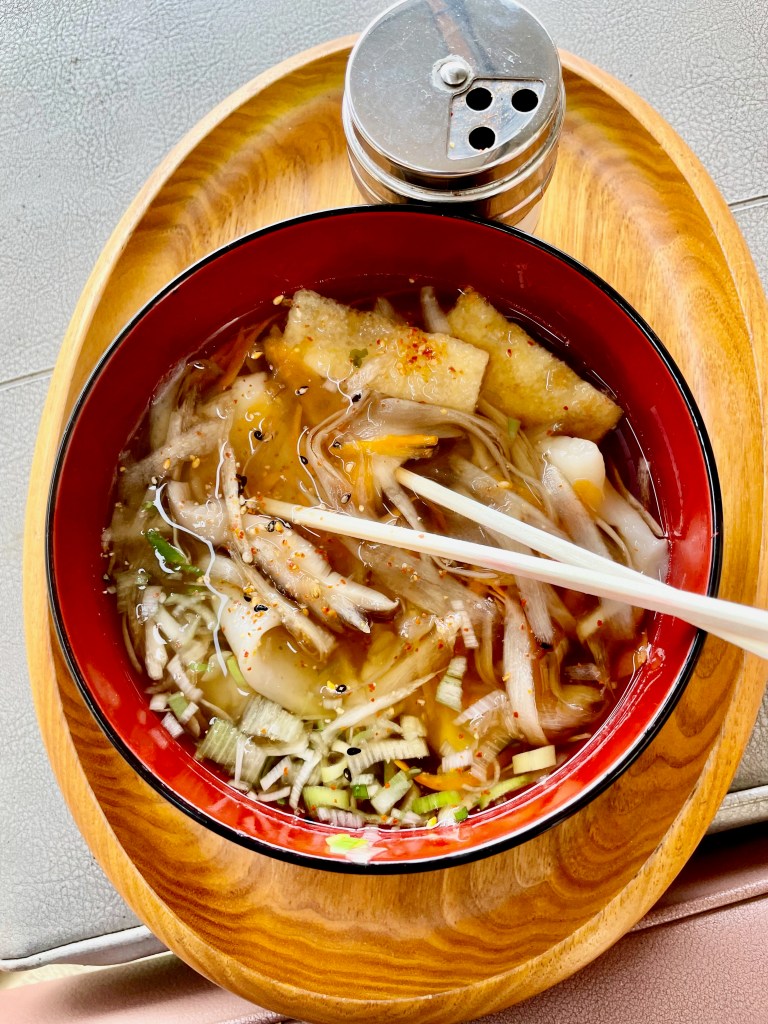
Just before 6.30 am I ordered a steaming hot dish for my breakfast – Hittsumi soup made as I waited, with tasty squares of what I would describe as hand made pasta that I enjoyed for breakfast, perched on a bench in a ‘cafe’ area of the market. Of course, it wasn’t pasta. Apparently, in ancient times the locals were forbidden to make soba noodles because it took too long to cut up. So they made squares instead, torn off from the soba dough – claiming it wasn’t soba.
So, this is actually a wide noodle soup with lots of vegetables and a very tasty broth.Confused? Don’t be. Just trust me. If you ever get to these markets, buy a bowl. It’s prepared while you wait. The cooks – I think a husband and wife team – are worthy of a Michelin star! Note that it’s served with an offer of a local pepper mix. Go easy on it!
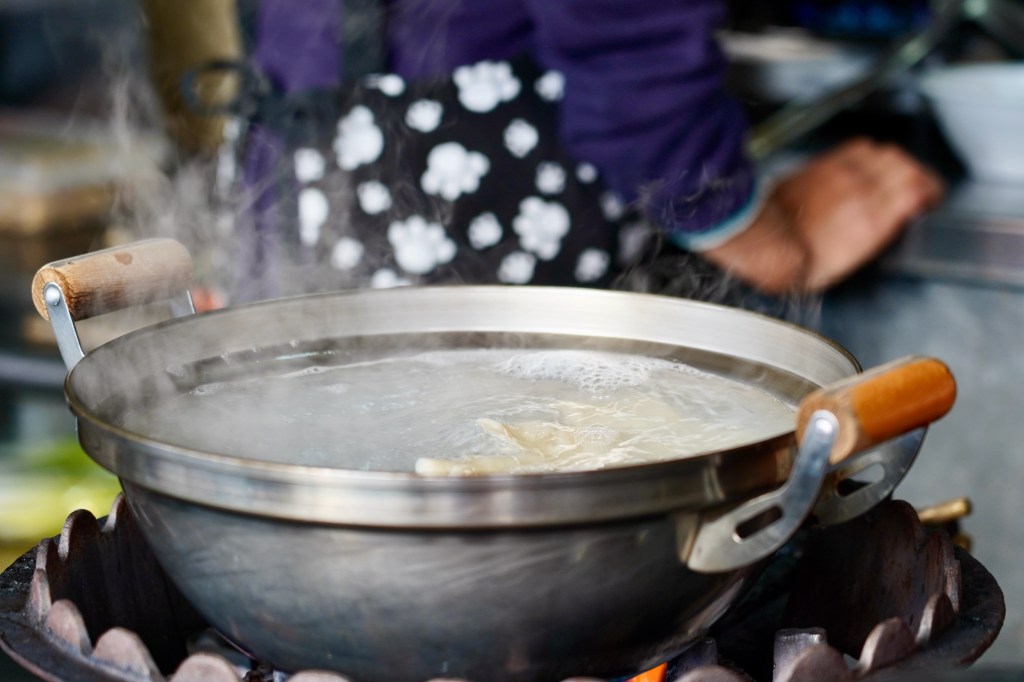

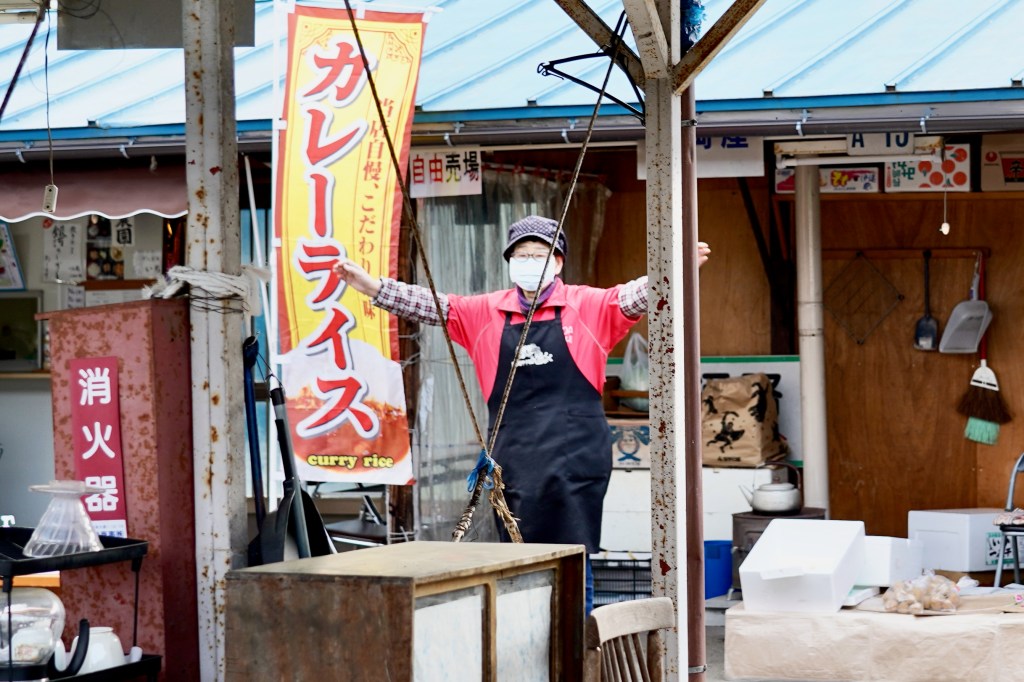
How do I recall the exact time I ate Hittsumi soup? Because, as I balanced the hot bowl of deliciousness on my lap, music poured from a loudspeaker, and both stallholders and customers began a joyful routine of exercises! It was Radio Taisho time for Japan. For nearly 70 years, Radio Taisho has aired this calisthenics regime every morning at 6:30. It actually began around 100 years ago, and after a lapse, it was revived in the 1950’s. A survey in the early 2000s showed that over 27 million people took part in morning calisthenics more than twice a week, whether at work, at home, or with neighbours in the local park. And, as I witnessed, at the Mikoda Morning Market in Morioka. I was urged to join in, but hot soup and exercises are not a good safety mix. I did manage to clumsily lift my camera for a quick photo .. soup in one hand, camera in the other.
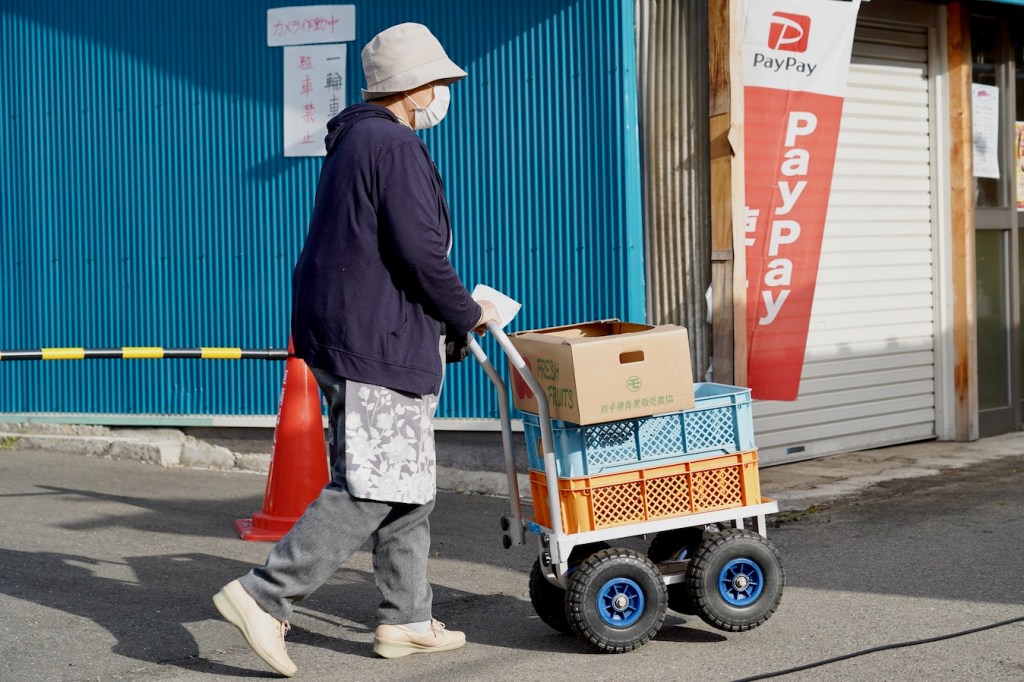
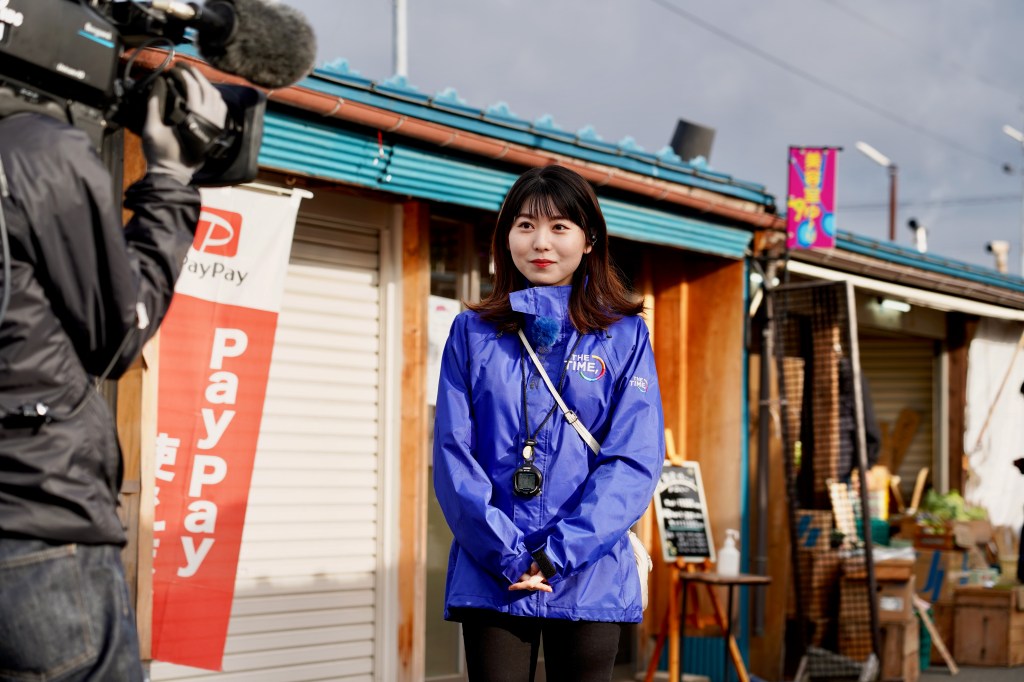
About half way through our visit, a local TV crew arrived. They showed absolutely no interest in us – the only foreigners in sight. I’m presuming it was some sort of promotional video they were shooting. Or maybe a report on vegetable prices?
Finally, it was time to leave, but we had no idea how to get back to the centre of town. As we were contemplating the problem, a taxi arrived to drop a passenger off, and had begun to take off again when I saw it. Luckily, he pulled up after spotting in his rear mirror a crazy western woman, arms waving madly, running in hot pursuit of his cab!
You’ve got this far down in this story, and you are probably wondering where the heck is Morioka?

Me too. Well, obviously I know now! But until last year, it hadn’t registered on my radar during my then 5 visits to Japan.
My travelling hero Isabella Bird visited in 1878, and mentioned it in her book Unbeaten Tracks in Japan. I had forgotten the reference. I could be forgiven. The reference was brief. She had spent an uncomfortable night in a flea ridden loft in a town I can’t find on the map and passed through Morioka on a wet and miserable day en route to another town I also can’t find on the map.
Bird said: “At Morioka and several other villages in this region I noticed that if you see one large, high, well-built house, standing in enclosed grounds, with a look of wealth about it, it is always that of the sake brewer.” That’s it – that’s all she wrote about Morioka. Clearly she didn’t sample the local sake or visit a Morioka market. She might have stayed longer and written more!
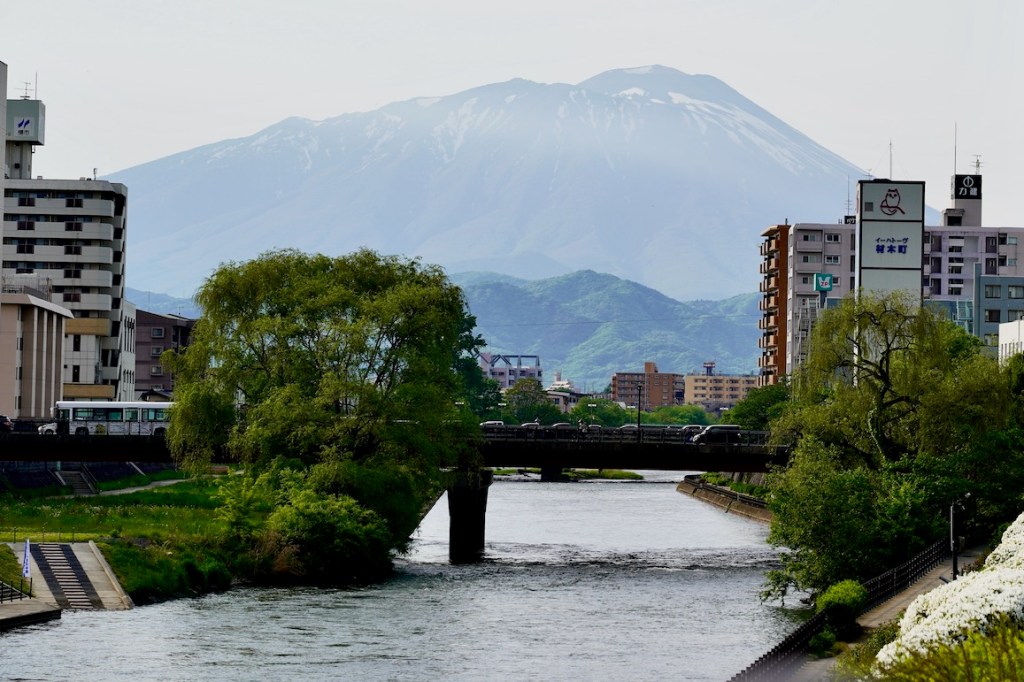
Last year, the New York Times placed this small Japanese city – a few hours Shinkensen ride north from Tokyo – into the number two spot of its 2023 list of ‘Places to visit in the world’ – just behind London! What? Where? Even Japanese journalists seemed confused, descending on the American writer who made the recommendation with basically one question – Why Morioka?
I was confused too, trawling the Internet for information on this Japanese town now in the world spotlight. I decided if Morioka was good enough for the New York Times, it was good enough for me. So it went onto my May 2024 Japan itinerary, and I’m very glad it did!
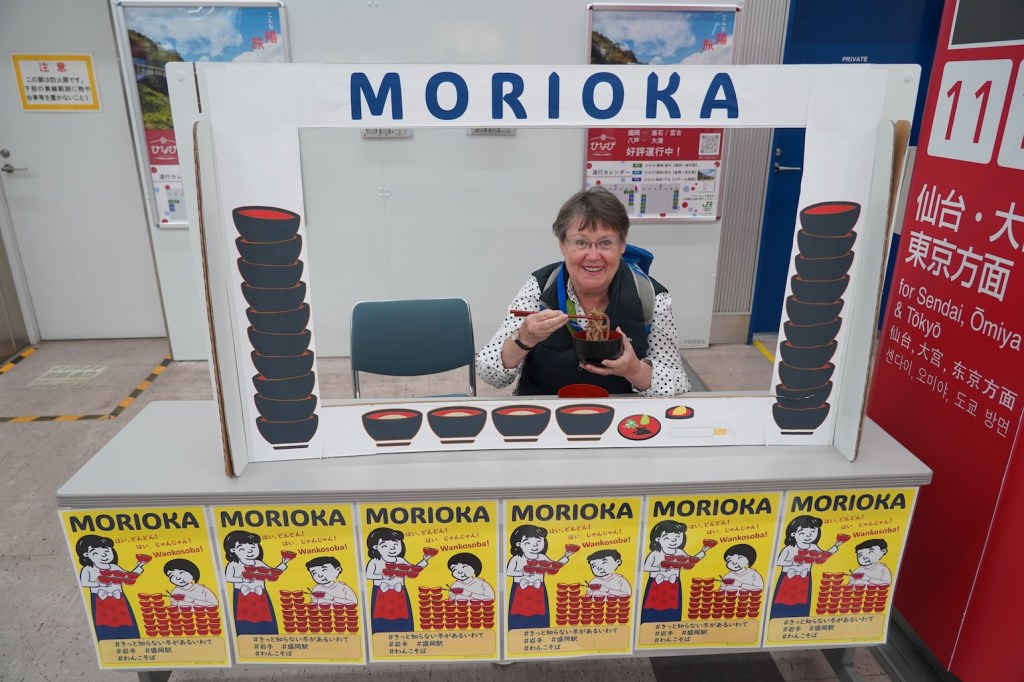
I’m going to write a lot more than Isabella did about the delights of Morioka. Stay tuned!
 Travelling Therese