
One of the most popular day trips from the wonderful city of Matsumoto in Nagano prefecture on Japan’s main island is to Narai-juku, once a wealthy post town in the nearby Kiso Valley. Its easy accessibility by rail is probably why Narai can be packed with tourists – something I personally don’t find pleasant. We visited Narai in May 2024, shoulder to shoulder with a lot of other people. Interesting town, but visiting Matsumoto again in November 2024, we opted for a less well known centre in the Kiso Valley – Kiso-Fukushima.

Don’t confuse this town with Fukushima of the nuclear power plant disaster in the Tohoku region, north of Tokyo.
Kiso Fukushima is the beating heart of the Kiso Valley, a sprawling little place located on the historic Edo period Nakasendo trail linking Kyoto and Edo (Tokyo) in the Samurai era. It was founded in the mid 15th century by the Kiso family – a prominent and powerful clan – at a time when Japan was embroiled in civil wars and social upheaval.

The beauty of this ancient town is that it is also easily reached by a very comfortable train from Matsumoto that winds its way along the Kiso Valley route – and if you go in November, as we did, you will find the journey simply stunning with autumn colours ablaze in the hills along the way.
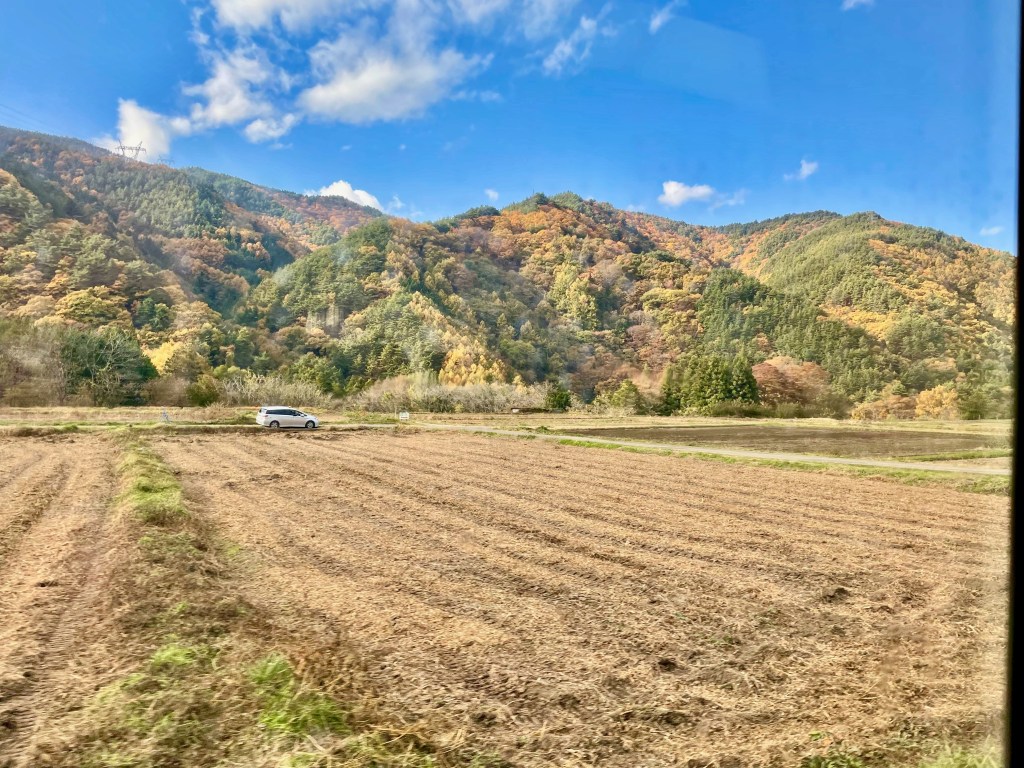
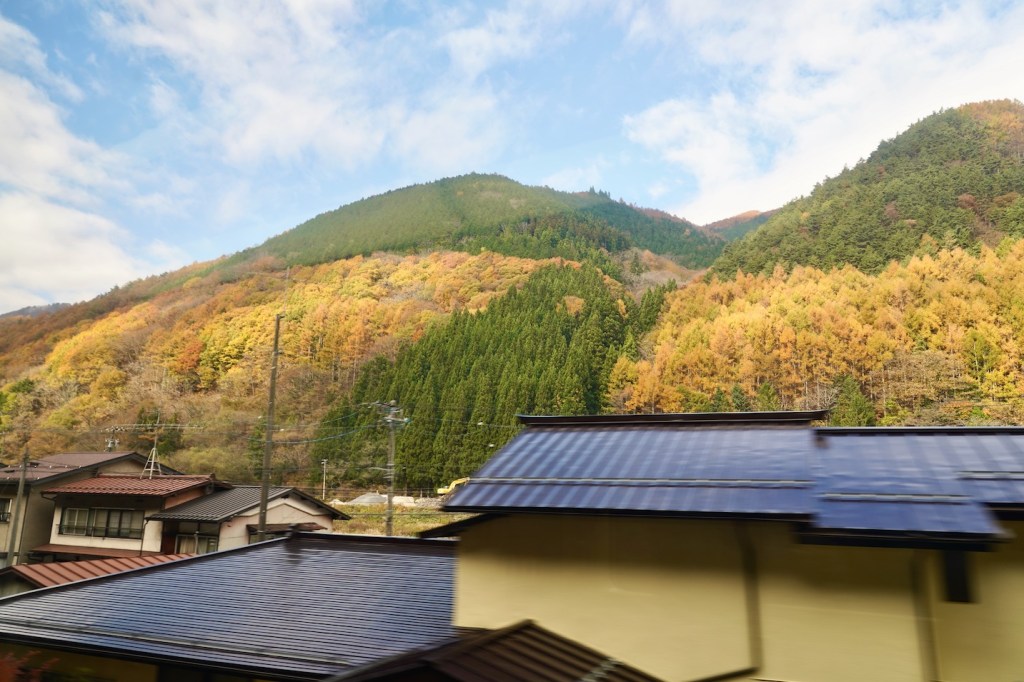


For me, Kiso-Fukushima was like a package that you slowly unwrap to find quite an Edo period gem. This may not be immediately apparent when you step off the train in the town, but trust me, start walking, start discovering, and you will begin to know what I’m talking about. Over-all, it’s not as picturesque as more famous Kiso valley towns on the trail, like Magome, Narai and Tsumago. But you will come across plenty of quaint pockets of ancient buildings and streets in the old area of the town that will take you on a journey into history.
The tourist information centre is directly across the road from the railway station, so you can get directions and your bearings there. Coming out of the tourist centre, we began walking left, eventually coming across the older area of the town, full of preserved wooden buildings from the Edo period, many of them converted to cafes and arts/crafts buildings.
We had lunch in one of these ancient homes – wonderful food with a great Edo atmosphere. Smoked salmon salad, followed by Creme Brûlée Galette for desert! You will find out by watching out for the Gallette sign outside the restaurant. Oishi! And not expensive.


Kiso-Fukushima Samurai barrier station was only one of two major check-points to monitor traffic in and out of Edo (Tokyo) on the Nakasendo trail. The town was the 37th post town from Tokyo on the trail, and was (and still is) the biggest, most populous, and bustling town of the Kiso Valley.

The Kiso Fukushima checkpoint was established more than 270 years ago, and today it features a museum where visitors can delve into the town’s history and culture.
You can also tour the home of the Clan Governor who oversaw the checkpoint. Only part of the Yamamura mansion remains today, but its restored rooms with Edo documents, ceramics, weapons and clothing are on display. Note that it has some closed days, so check before you go. Unfortunately, I learnt about the closed days after arriving in the town, and yes, you guessed it, my timing was wrong! No mansion for me that day.

However, as we walked around we came across another little museum that was one of the highlights of our visit. It housed the town’s main unique wooden festival float, along with a wealth of old clothes and historical artefacts. We were the only people there! Not even an attendant! And it was free to enter. We were totally absorbed, and I wish there had been a local around so that we could have expressed our appreciation of the collection there.
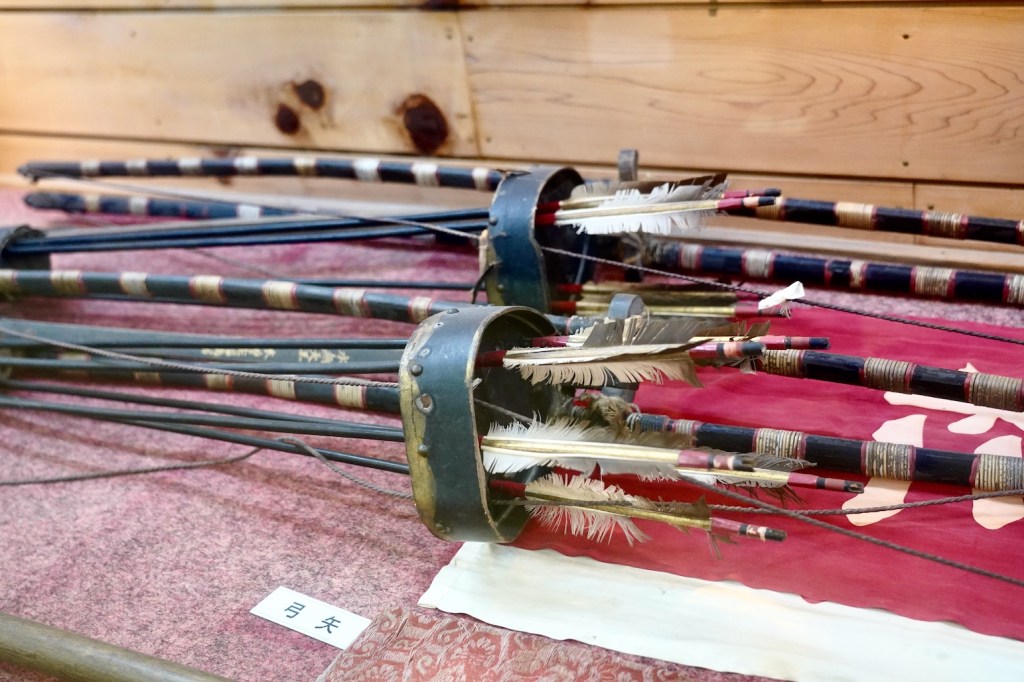
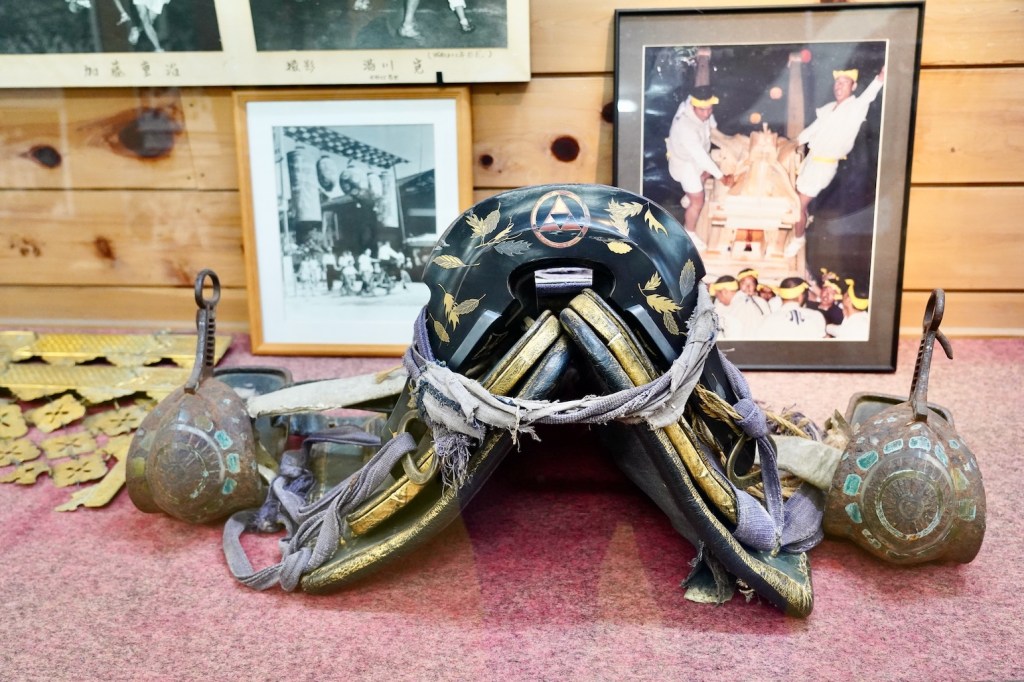


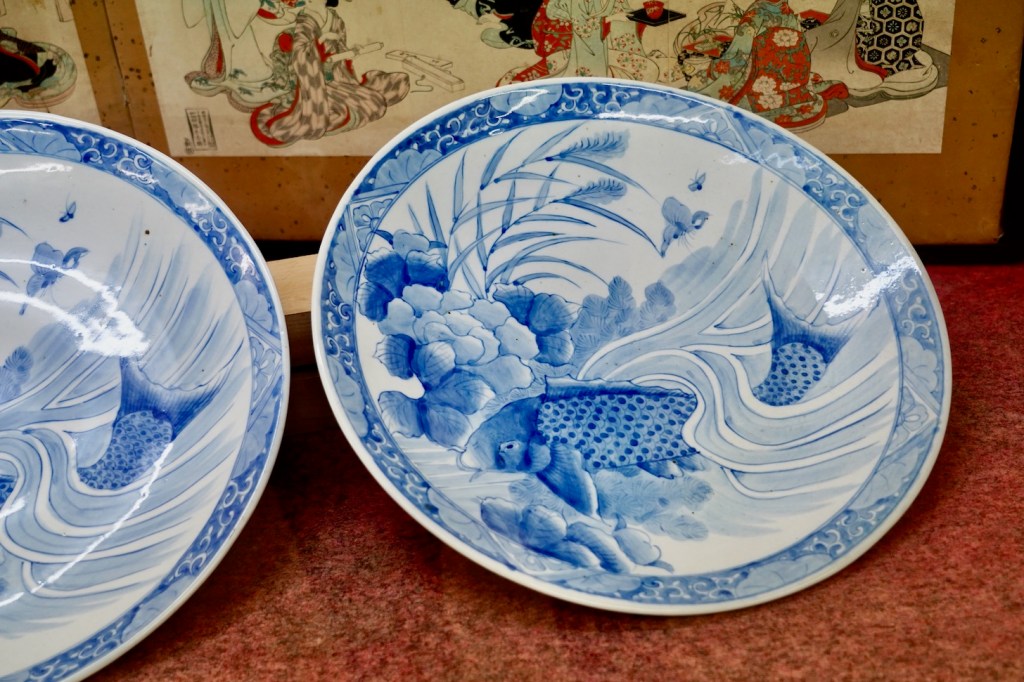
The town’s Kozenji Temple lays claim to being Asia’s largest rock garden – we ran out of time and didn’t see it. I thought this was a town we could easily cover in a few hours. I got that wrong. The day slipped by before we knew it – time goes fast when you’re having fun and all that jazz. Frankly, it doesn’t worry me that I sometimes miss out on attractions in a place I like as it gives me a good excuse to return! So hopefully, I will get back there one day.
The tourist information centre is directly across the road from the railway station, so you can get directions and your bearings there. Coming out of the tourist centre, we began walking left, eventually coming across preserved wooden buildings from the Edo period, many of them – like our lunchtime restaurant – converted to cafes and arts/crafts buildings.
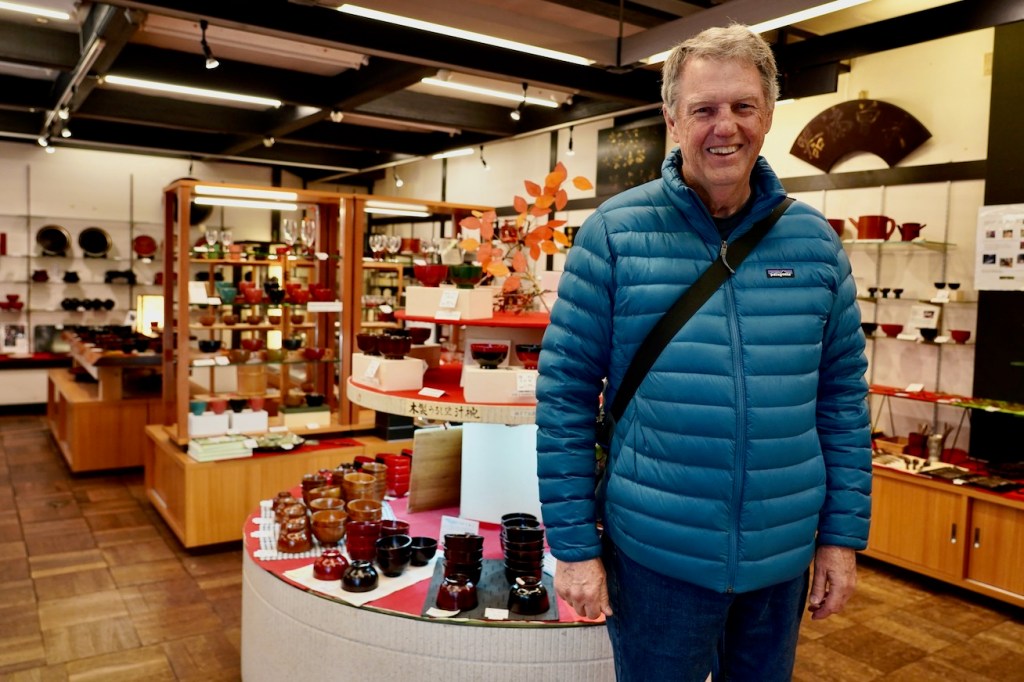
Kiso Fukushima also has one of the best local lacquerware shops you will find anywhere. It has an excellent selection, and we walked out with bags heavier than what we walked in with! It is the only lacquerware shop in town, apparently. Lacquerware (shikki) is an iconic art of Japan dating back thousands of years, and the Kiso region has been producing it for around 600 years. I found the lacquerware there elegant and of supreme quality.


I am surprised that more visitors haven’t discovered Kiso-Fukushima, but that was a plus for us as we were able to stroll around exploring at leisure, without going shoulder to shoulder with other visitors. There is a loop bus, but we were happy walking.

In case you get footsore, there is a free public foot bath by the Kiso river with a small stone path leading to it that was created to stimulate the reflexology points on your feet. So take your shoes off and try it!

At the railway station, there’s also an old steam train on display for the train buffs.

Also at the railway station is a Kiso sign that has been made from bottle tops! An ancient town with plenty of creativity, history, great food, craft and unusual attractions! Loved it!
IF YOU ENJOYED MY STORY, PLEASE LEAVE A LIKE – OR EVEN A COMMENT – TO ENCOURAGE ME!

Follow me on Instagram – Aussieboomer1
 Travelling Therese