Another in my Japan update series – a fresh look at a story I wrote early in 2021 when I began this blog. I’ve been back to Japan five times since. So many more food treats discovered!
What to eat in Japan was a major concern when embarking on my first visit there more than 20 years ago. I knew very little about Japanese food, apart from Californian roll style sushi, green tea and ‘fishy’ food! How my culinary world has expanded since then! Japan is a foodie’s heaven and it is not all about sushi, noodles, ramen and seafood. Japan offers a smorgasbord of quality international and local cuisine, and it doesn’t have to break the bank.

Did you know that Japan has the most Michelin star awarded cities in the world? More than 100 of them are in the ancient capital of Kyoto. And Tokyo doesn’t do too badly either! The 2025 Michelin Guide features 507 venues in Tokyo, with 170 of these holding a Michelin star. I can’t afford Michelin star, but I don’t miss out. The high standard of culinary excellence reverberates throughout the food industry in JAPAN. I can enjoy a culinary adventure in Japan, even on a shoe string budget.

Street food, cafe fare, restaurants of every description, takeaways, fresh fruit and vegetables – it’s all superb. I ensure I have good walking shoes because I need to whittle away the calories as I explore Japan’s very tasty food culture.
I’m not saying you won’t strike a bad meal – I once ordered a Japanese beef curry and it was all sauce – finding meat in it was like a ‘where’s Wally’ game. But it was the exception to the rule.

My youngest son did a home stay in Japan as a high school student, and warned me that sweets, chocolates and bakery items in Japan often contained bean paste and were to be avoided. This assumed I would not like bean paste. It wasn’t until my second trip to Japan that I experimented and found that sweetened bean paste appeals to my taste buds . Most bakeries in Japan today offer traditional western products without bean paste. It is simply a matter of checking what is in that danish pastry or sweet bun!
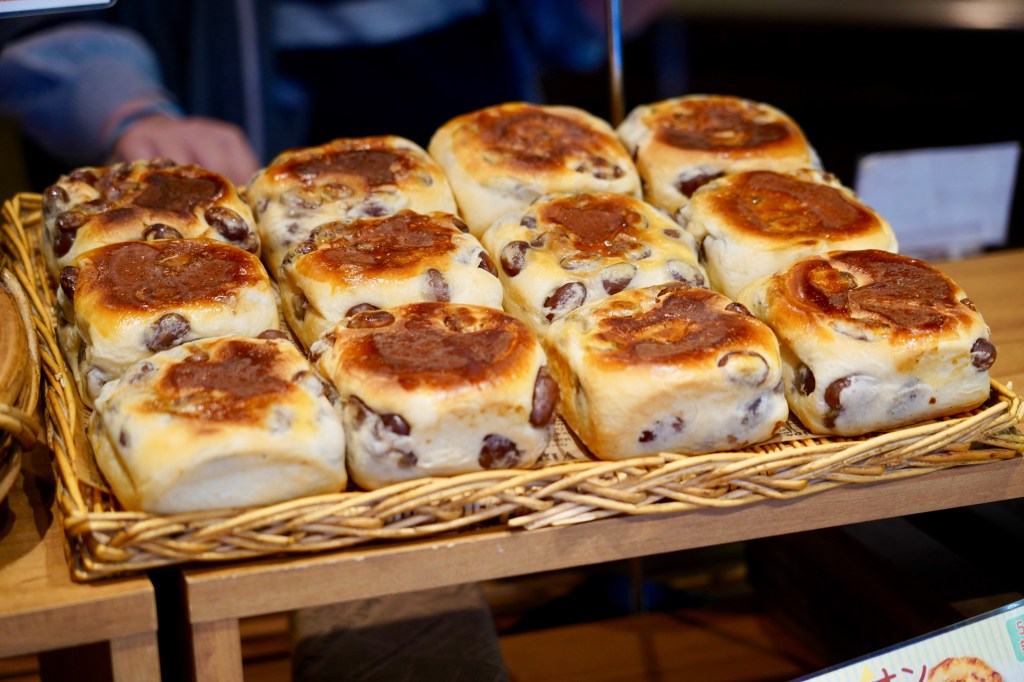
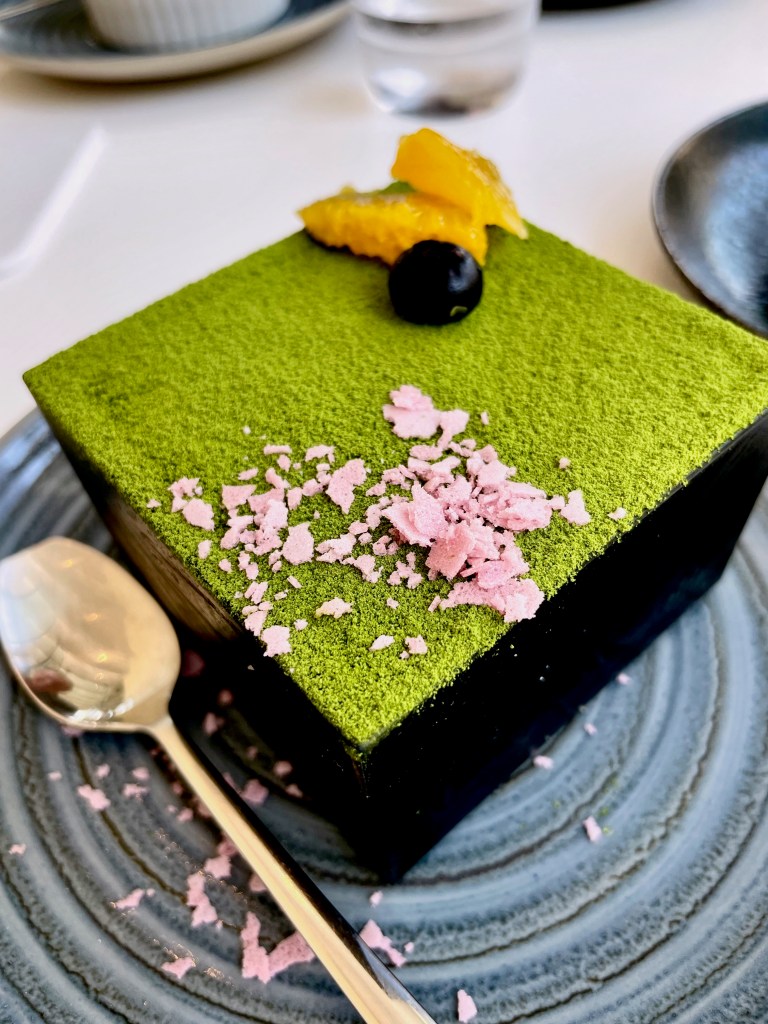
Here’s a big statement – and I stand by it. I’ve tasted better deserts, pastries and cakes in Japan than I did in France! Their chocolates are as good as Europe’s too. So it was no surprise to me that this year a Japanese team, including specialists in chocolate, sugar and ice-cream, won the World Cup Coupe du Monde de la Pâtisserie, ahead of France in second place. It’s the second time Japan has won the World Cup!


GREAT TAKEAWAYS
Convenience stores are a first stop for tasty, cheap, quality takeaway food. Known in Japan as Konbine, they are unlike any convenience store I’ve encountered in my home country of Australia. The most famous are 7 Eleven, Lawsons and Family Mart. Don’t confuse Japanese 7 Eleven’s with the same name badge in Australia. They are nothing like each other.

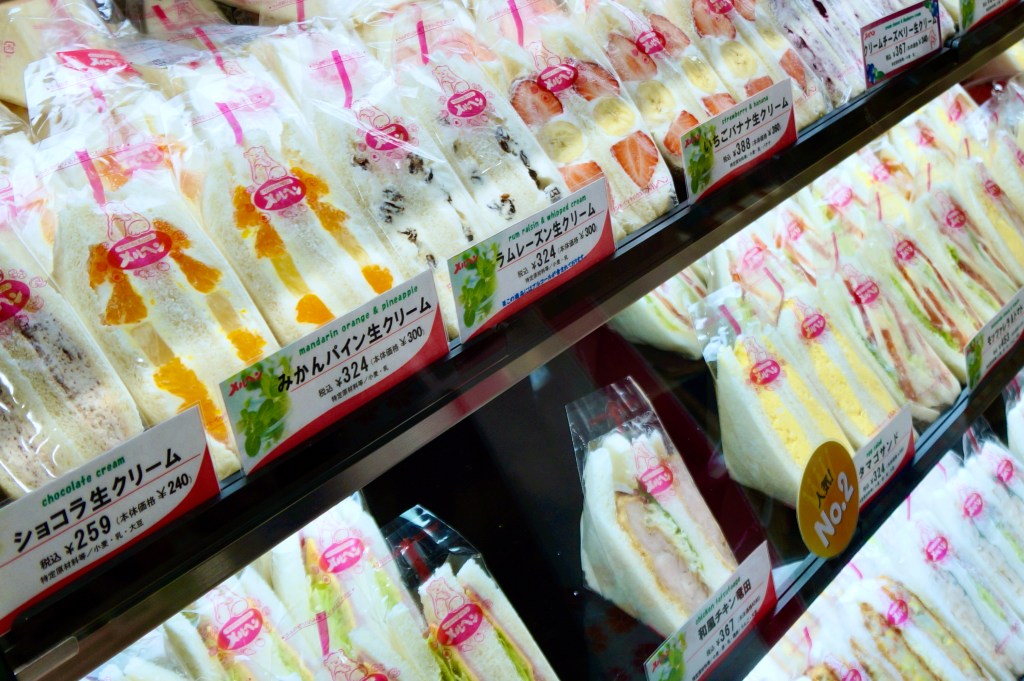
Japanese convenience stores carry an excellent range of quality food and other products. Think fresh fruit salads and super fresh crustless sandwiches – ranging from the usual ham and cheese to fruit fillings – through to meals to go that you can heat up in the store microwave! Egg sandwiches are a culinary delight in Japan.
Major railway stations in Japan have an abundance of food stores, grocery shops , cafes and excellent restaurants where you don’t need to stretch your budget very far. And definitely look out for the food halls of major department stores known as depachika. Usually you’ll find them on the underground level, and they offer everything from fresh meat (maybe you are cooking for yourself in a tourist apartment or a rental house) to fruit, ready to eat food and deli items. They are wonderful, and you’ll often be offered free tastings!

Supermarkets are excellent too, offering a wide array of products. I love wandering through them! They are also often cheaper than the popular convenience stores.


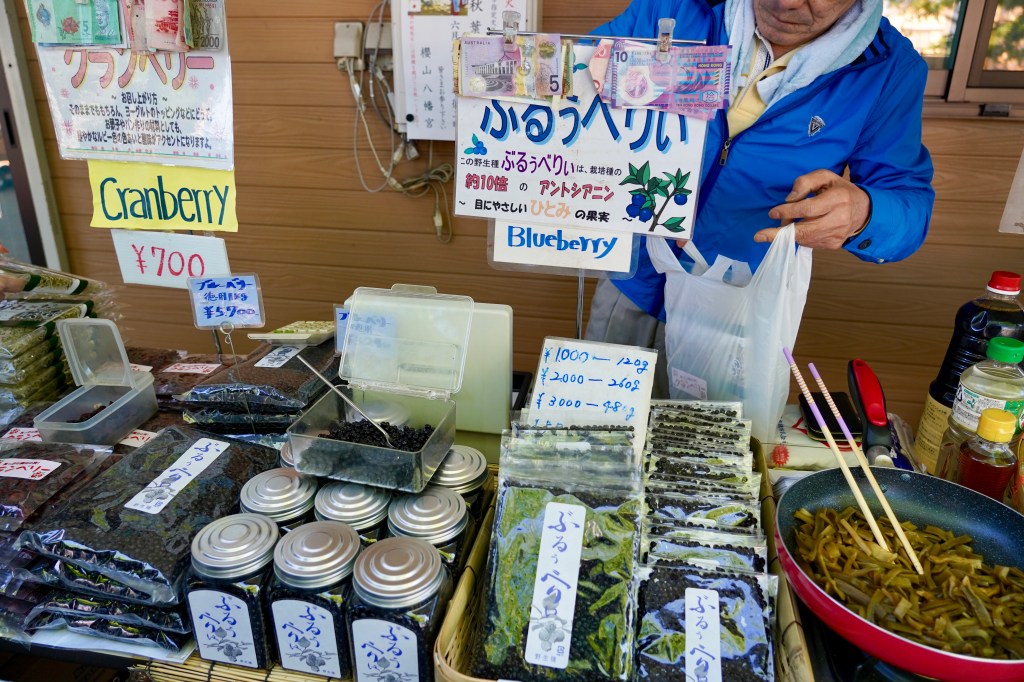
I particularly enjoy local farmer’s markets. In Takayama, a popular Gifu tourist town, you’ll find morning markets by the river where the locals sell fruit, vegetables and a lot of regional foodie specialities such as dried mountain blueberries that are gifts to your taste buds! The markets are very popular, so get there early!
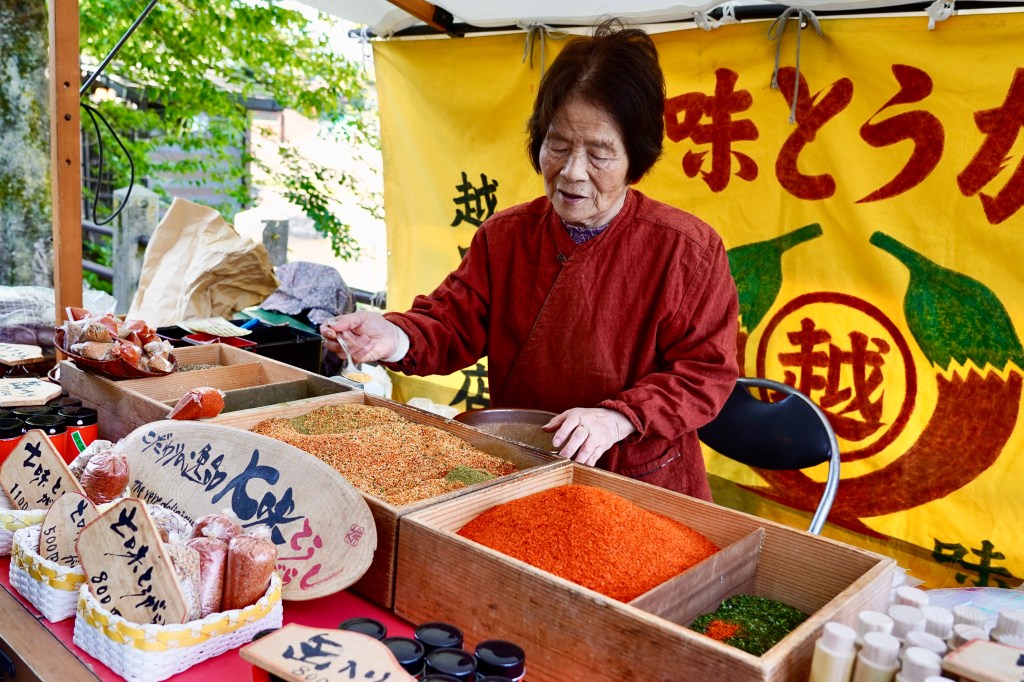
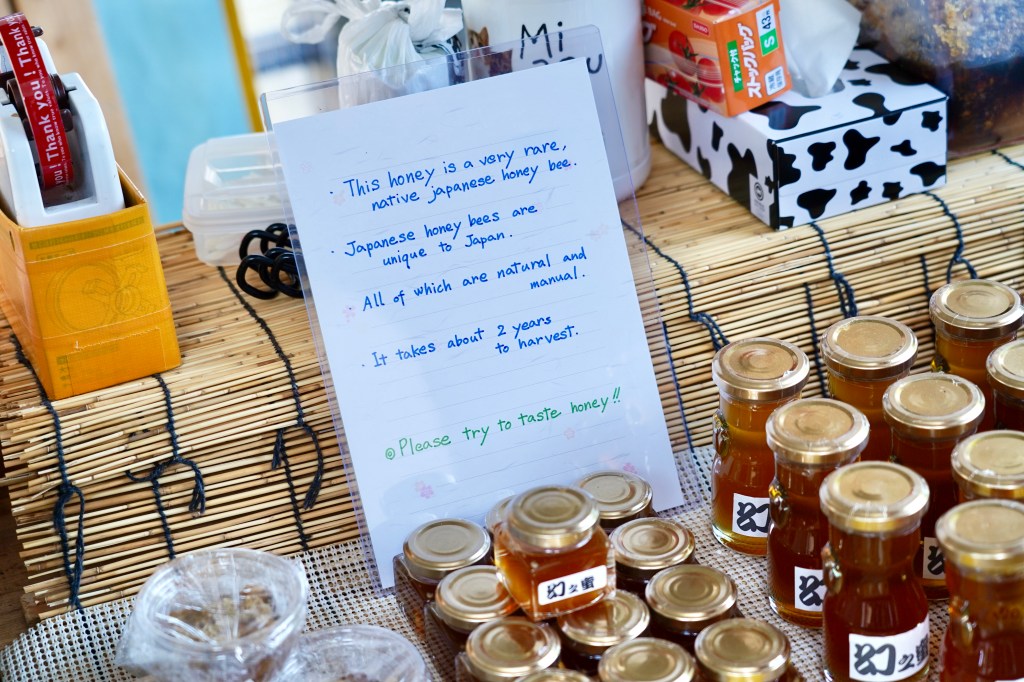
In Morioka, the capital of Iwata prefecture, there’s a well known early morning farmer’s market that’s worth the effort of dragging yourself out of bed before dawn. At 5am, we were catching a taxi from outside the railway station to get there. It’s too far to walk from central Morioka, though you could cycle there. Leave your visit to 8am, and you’ve missed the market! It’s finished for the day! An old market with lots of character, fresh produce and hot food vendors producing authentic local food. I enjoyed a very tasty breakfast there!


BREAKFAST
When booking your trip to Japan, note any good hotel deals that include a buffet breakfast. Breakfast at western style hotels is usually a similar price to a hotel breakfast buffet in Australia. Most will offer a combination of Western and Japanese breakfast foods. So if you are desperate for your Weeties or Corn Flakes, then this is the way to go, whilst also having an opportunity to try out Japanese breakfast food. And sometimes the view from a hotel breakfast room is something you can’t pass up! I usually only eat ‘in house’ if there is a good tariff deal, when I am in a remote place with no nearby cafes or restaurants, or if I’m staying in a traditional Japanese accommodation offering Japanese breakfast and dinner.
CAFE BREAKFAST SETS

In cities, there are plenty of cafes offering ‘breakfast sets’. Usually it involves toast or a danish/croissant, a cold boiled egg, juice, tea or coffee – and a small side salad. Cheese on toast is popular too. Croque Monsieur – hot ham and cheese sandwich prepared the French way – is a popular cafe offering!These won’t break the bank. Usually a set will cost under $10, including a drink. Sometimes even ‘endless’ drinks are offered as part of a breakfast set.

You will find more than a thousand American Starbucks cafes in Japan. They are not a favourite of mine. I prefer Japanese cafes – individually run cafes or even chains such as Excelsior which has shops throughout metropolitan areas in Japan for simple food. My current favourite chain is Komeda coffee. It originated in Nagoya in the late 1960’s and now has 800 cafes around Japan. Comfortable and cosy.

https://www.doutor.co.jp/excelsiorcaffe/menu/
Toast is usually made from thick white bread. I haven’t seen much bacon offered in cafe breakfast sets, though often there is a small piece of ham with egg sets.
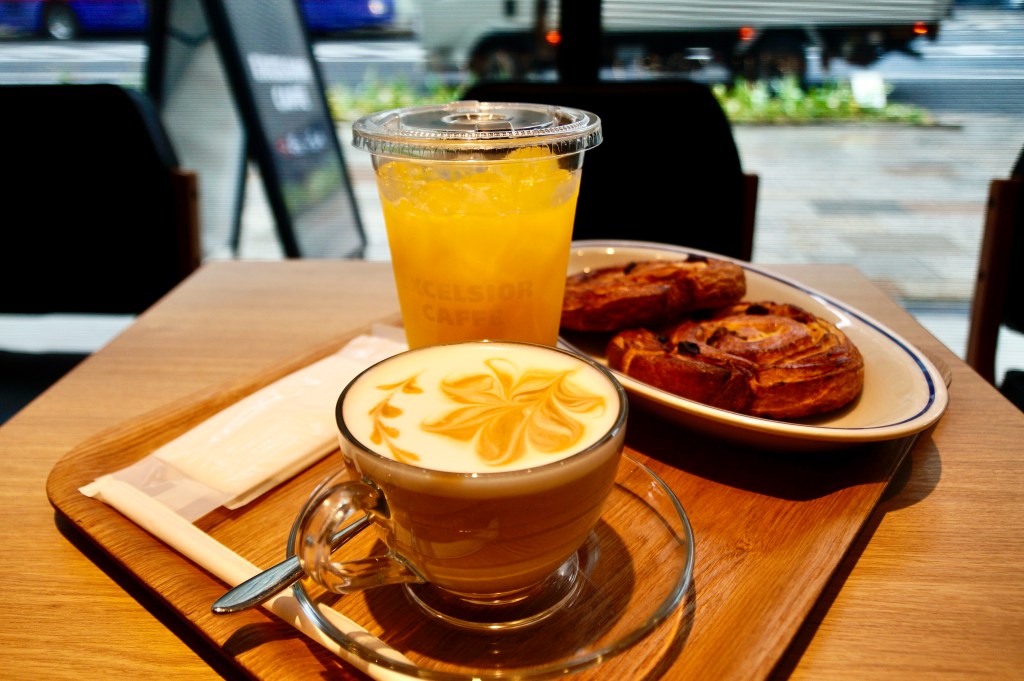
Another of my favourite cafe breakfast set – a latte, danishes, and juice

COFFEE IN JAPAN
Did you think you might miss out on your morning coffee? Is Japan all about green tea? In fact, Japan has a great coffee culture. Very popular is drip coffee, often made in some of the most elaborate coffee machinery I have ever seen.

Beans are carefully selected and making coffee can be an art. Most cafes and restaurants in cities and large towns will offer all the coffees you love at home and some you may not have experienced such as ‘gingerbread latte’!
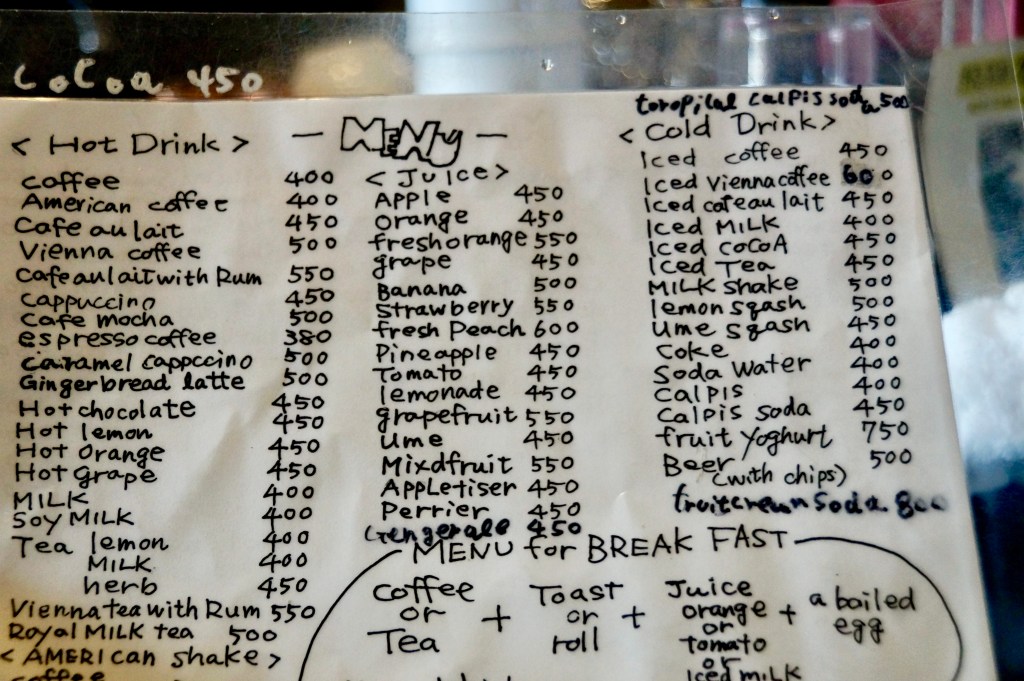
The Japanese take coffee very seriously, and have been drinking it since Dutch traders arrived in the 1700’s. Japan opened its first coffee shop by the late 1800’s. By the late 1960’s, the Japanese were the first in the world to develop ‘coffee in a can’, and today both hot and cold coffee in a can are available in vending machines throughout the country.
Canned coffee is an acquired taste. True coffee connoisseurs probably won’t rate it, but I’m a little addicted to it! The American actor Tommy Lee Jones has made millions of dollars from promoting the Boss brand of Japanese canned coffee. His television ads in Japan are hilarious. You can check them out on the Internet. Trawl for Tommy Lee Jones and Boss.


One of my mistakes with Japan’s coffee culture was ordering an iced coffee on a very hot day. I thought it would be a chilled milky coffee, probably with ice cream. But it came out like a large chilled expresso, with little sachets of liquid sweetener to add if desired. I understand it’s a product called Gomme syrup – a mix of sugar, water and gum arabic.
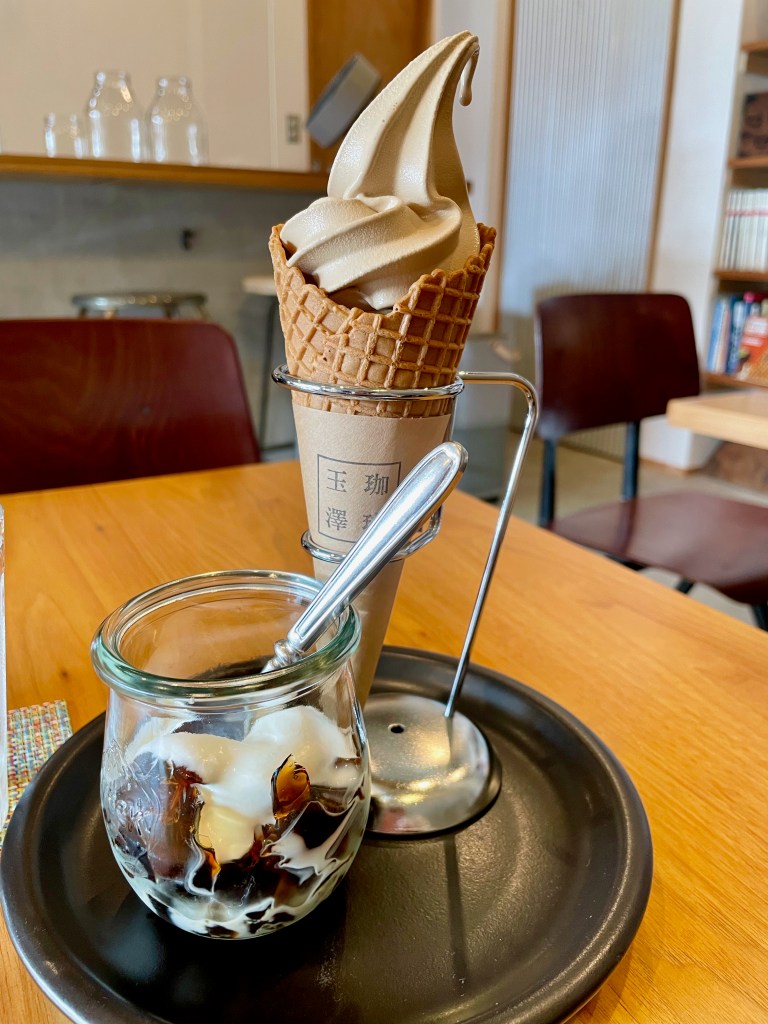
I’ve also learnt about Japan’s love of coffee jelly as a desert. I love it and make it at home now. Try it with ice-cream or layering it in your tiramasu! Probably great in a trifle as well. Did I mention ice-cream? Japan offers some amazing and delicious flavours! Not forgetting flavoured shaved ice. A special treat!

I should mention bread. There’s a lot of thick white bread in Japan, and when it’s used in sandwiches, the crusts are cut off! But there’s also a growing number of boutique bakeries,especially in the cities. A unique bread product is Kare pan – curry bread bun – made from yeasted wheat dough and filled with a curry mix. Curry bread is rolled in panko bread crumbs and fried. Oishi!
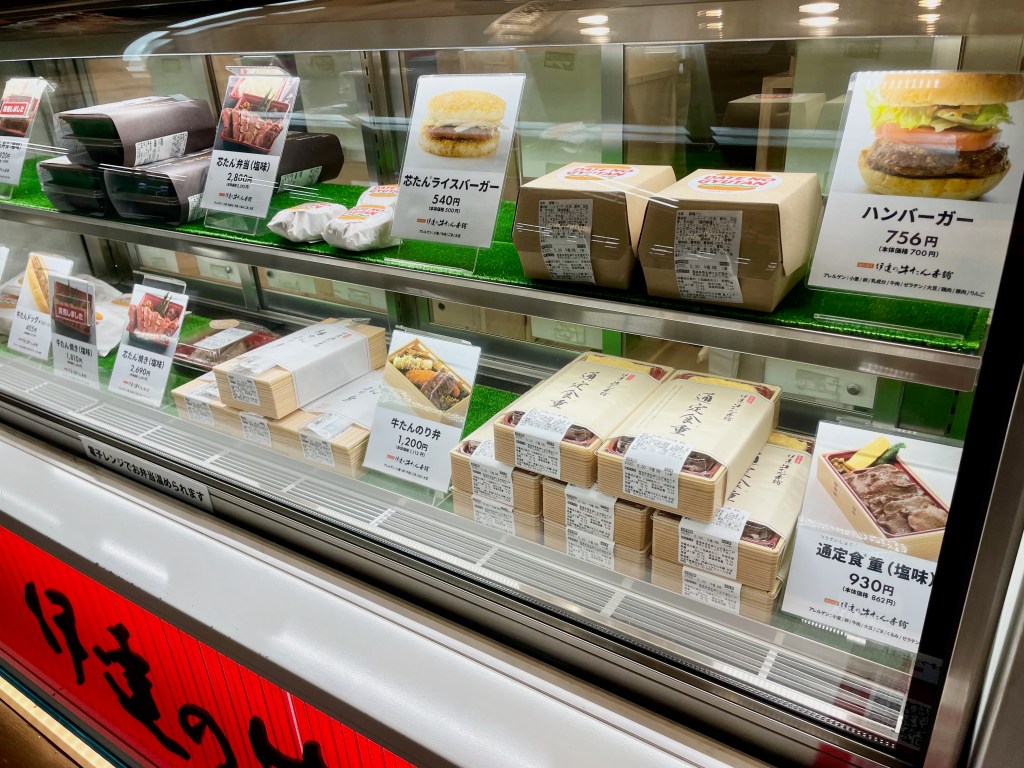
A very special treat in Japan is Ekiben – bento boxed meals sold for train travel in Japan. It’s not acceptable to eat on suburban trains, but it’s fine for shinkansens (bullet trains) and other long distance trains. They come with disposable chopsticks or spoons.
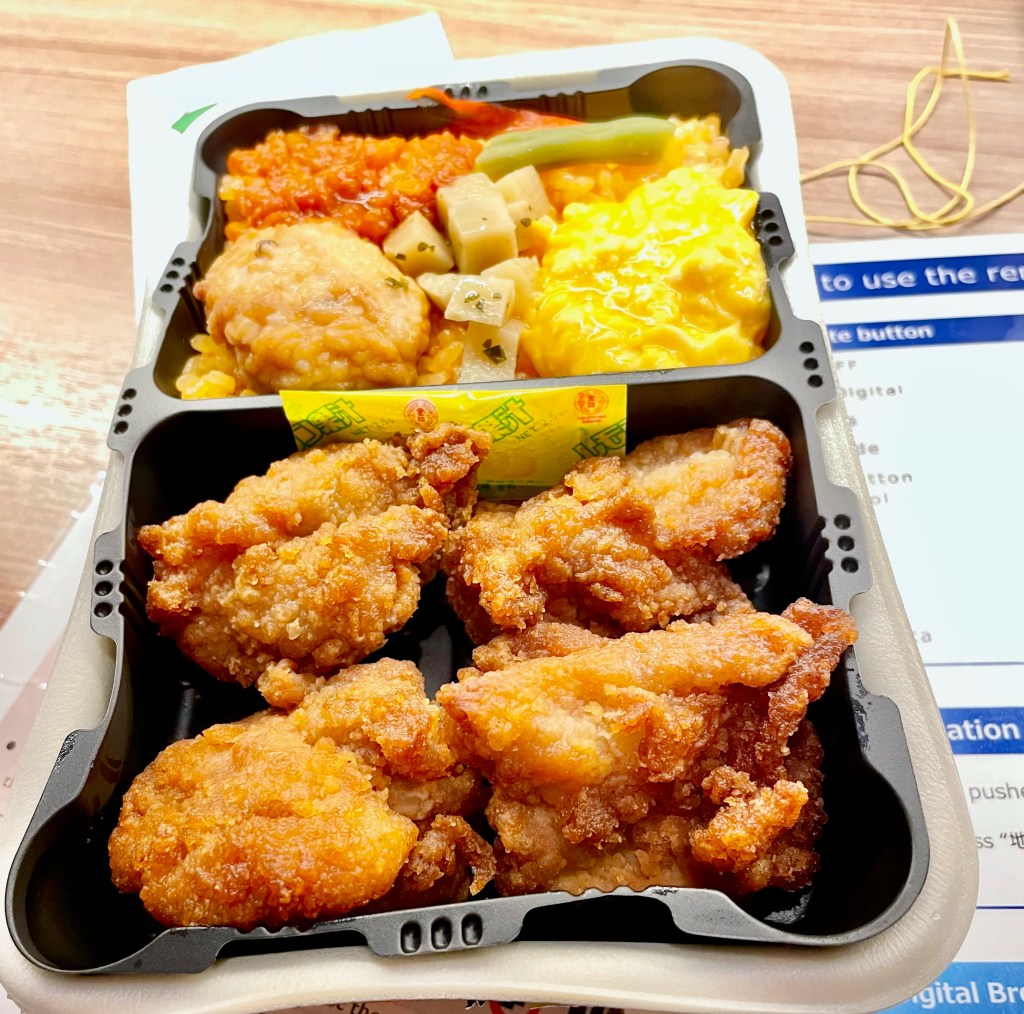

It’s estimated there are more than 4000 types of ekiben on offer in Japan, with many featuring food specific to the regions they are sold in. Some are even self heating by pulling a little string on the box! I’ve checked these out and it works! Google translate on my phone makes it easy to read what’s inside if the Ekiben box has no english.


Burgers are on offer throughout Japan. MacDonalds and Starbucks seem to be everywhere. I avoid them, and if I want a burger I’ll look for something more local. Like this amazing apple and beef burger from a little cafe in Aomori, using grilled slices of local apple in the mix. Genius combination!

Looking back through this blog story, I realise I have zeroed in on a lot of sweet delights. But rest assured, there’s some delicious main courses on offer.

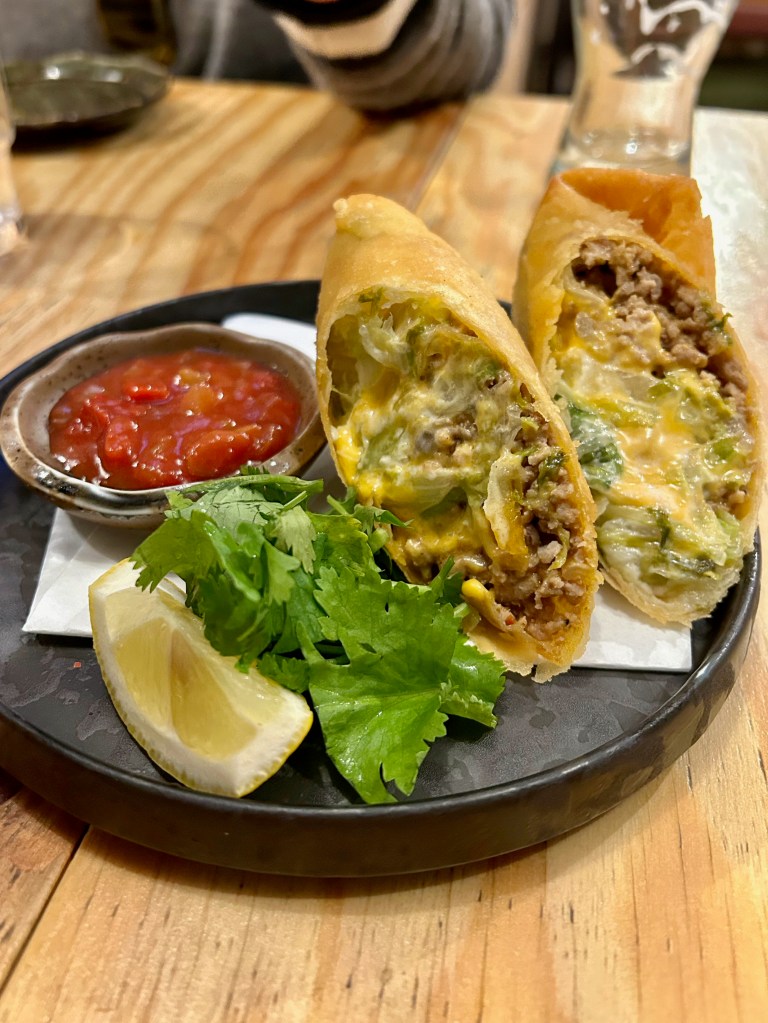
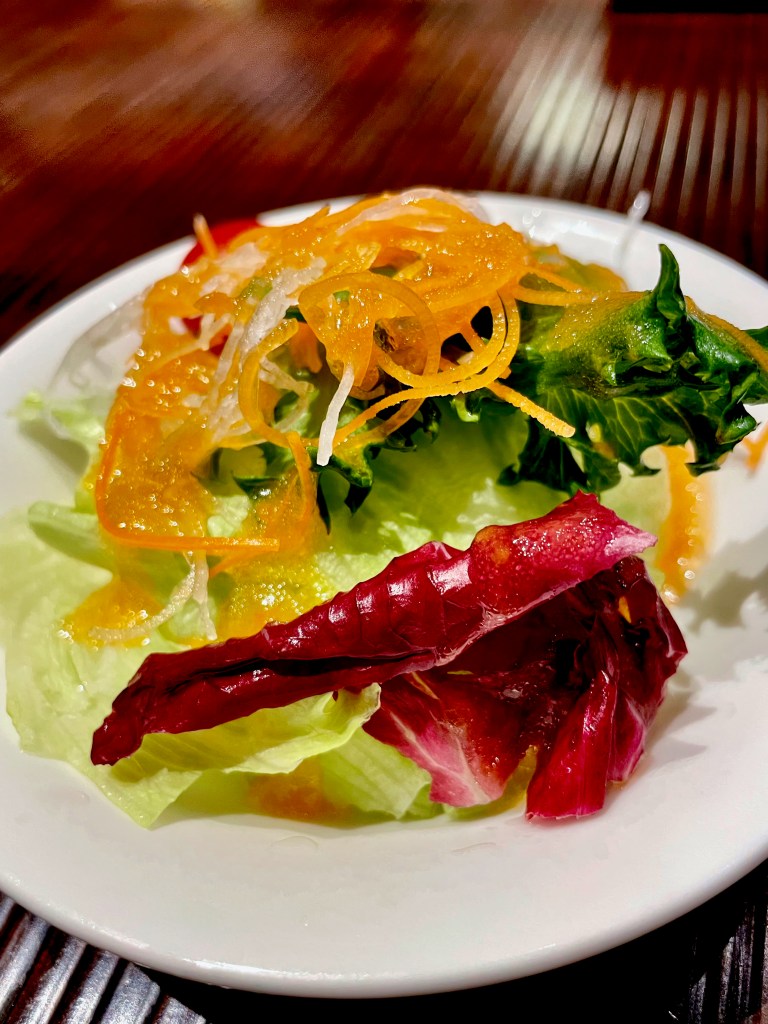

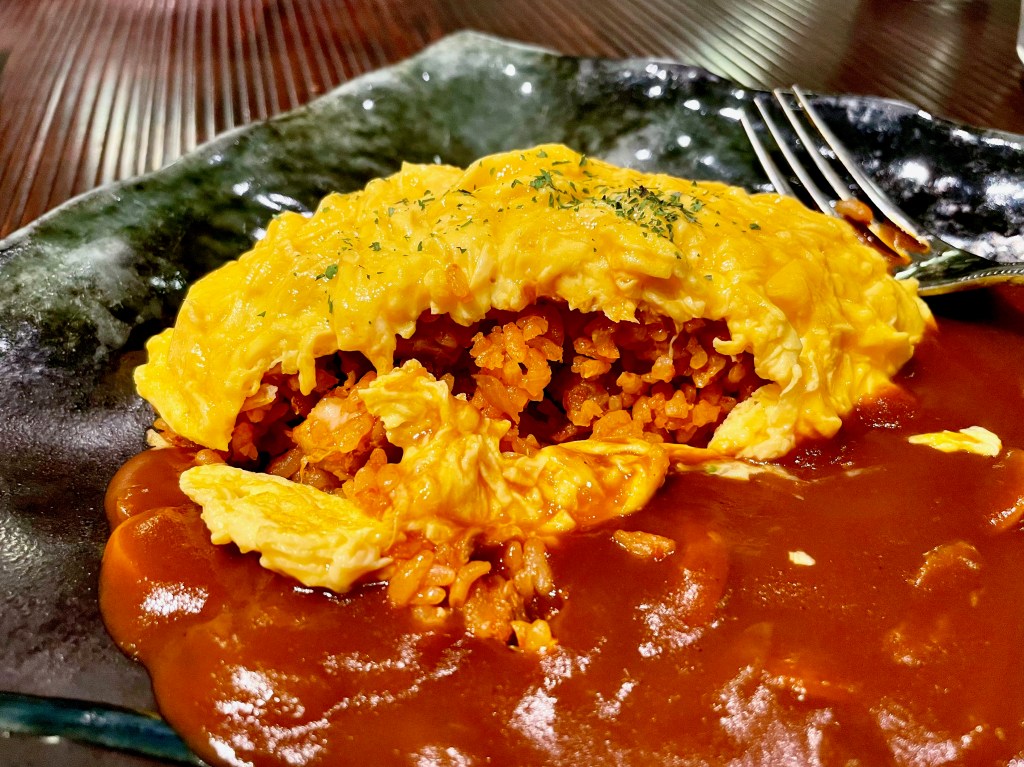

Japan’s food culture and innovations deserve far more than one blog. Luckily, I’m planning my 9th trip there – so I’ll watch out more lunch, dinner and foodie treats to share with you in the New Year.

 Travelling Therese
Everything looked absolutely scrumptious. It would be worth a trip to Japan just for the food! A self heating bento box is an interesting concept. Leave it to the Japanese. The coffee was surprising. I thought they were a total tea culture. Thanks for enlightening me on Japanese cuisine!
LikeLike
Check out the food offered at this remote village Inn in Japan – and guess what – we will be guests there very soon as our special trip treat! Very much a coffee culture. More slow drip coffee than anything, especially in the countryside. But city cafes offer the full array of coffees.
LikeLiked by 1 person
Not sure if my comment loaded on your latest story: So sending it this way: I drove a Kombi through those areas back in Tito’s day – perhaps not as rosy as you might think. I was shocked at how little product was in supermarkets – very sparse. And in some towns there was a definite air of being wary/afraid of police. I moved into Bosnia areas later ravaged by war, and already you could see the racism and darkness in those areas. Police actually accompanied my siblings and I around a morning market in one village, saying ‘we must come with you as you can’t trust these people’. There were a lot of rules and regulations – of course, we had no idea the war was coming – but reflecting I realise tensions were building up. —————— re travelling in our 70’s – keep going! I hit 74 next year and whilst there are knee and a few other age issues slowing me, I adapt and hopefully still continue to have travel adventures.
LikeLiked by 1 person
oh – it’s you Therese! thanks for the encouragement. It’s the long flights and time changes from the west coast of the US to Europe that are killer. Add to that the time change of 9 hours. Maybe after some time passes I will be back in the adventure mode!
LikeLike
Luckily, it’s a nine hour flight from Perth, Western Australia to Tokyo and only a one hour time difference. So no jet lag! And the flight is just right for an overseas destination. We will now mainly stick with adventures in Japan.
LikeLiked by 1 person
I am envious! From here it’s about 12 to 14 hours because of stopovers. However, you have inspired me about Japan. It’s the kind of country I’d like to visit outside of the big cities.
LikeLike
I’m really happy that you introduced Japanese food so well from a traveler’s perspective. People already know that convenience store food in Japan is cheap and delicious, but I hope more people discover the amazing depachika. I love depachika food too. It’s a bit more expensive but they use high-quality ingredients and everything tastes amazing. Please keep enjoying food and experiences in Japan!
LikeLike