Most of my Japan holidays are carefully budgeted, supported by months of research to achieve the best price, the best deal, the comfy and clean cheap hotel. I can’t help it. I have strictly budgeted all my adult life to fund my travel adventures within Australia and around the world.
Despite an excellent wage in my younger working years, I denied myself expensive clothes, alcohol, smokes etc to save for travel. It was mainly youth hostels and my tent back then! I did indulge in a very old VW camper van sold to me cheap in London through a friend whose dad had a car yard. I shared travelling costs with my younger brother and sister as we travelled through Europe on our shoe string budget in ‘Bert – the Kombi’ before he finally broke down – unable to be repaired – in Greece.
I’d work weekends, Christmas Day – any good shift that yielded time and a half or even better double time to earn the most money for my holiday coffer. I’m now a septuagenian – in my eighth decade. So time for some holiday luxury treats, don’t you think? Truthfully, since retiring I have been embracing that idea, trying to include at least one treat stay on our Japan trips. Japan suits us at our age. It’s only a 9.5 hour flight there from home, and just one hour’s time difference. No jet lag!
I still chase bargains – even for our luxury treats. I feel I need to justify these treat stays to hubby MJ, though he points out, I don’t have to. He’s happy with his personal travel planner, and knows I will balance out treat stay costs with good deals elsewhere!
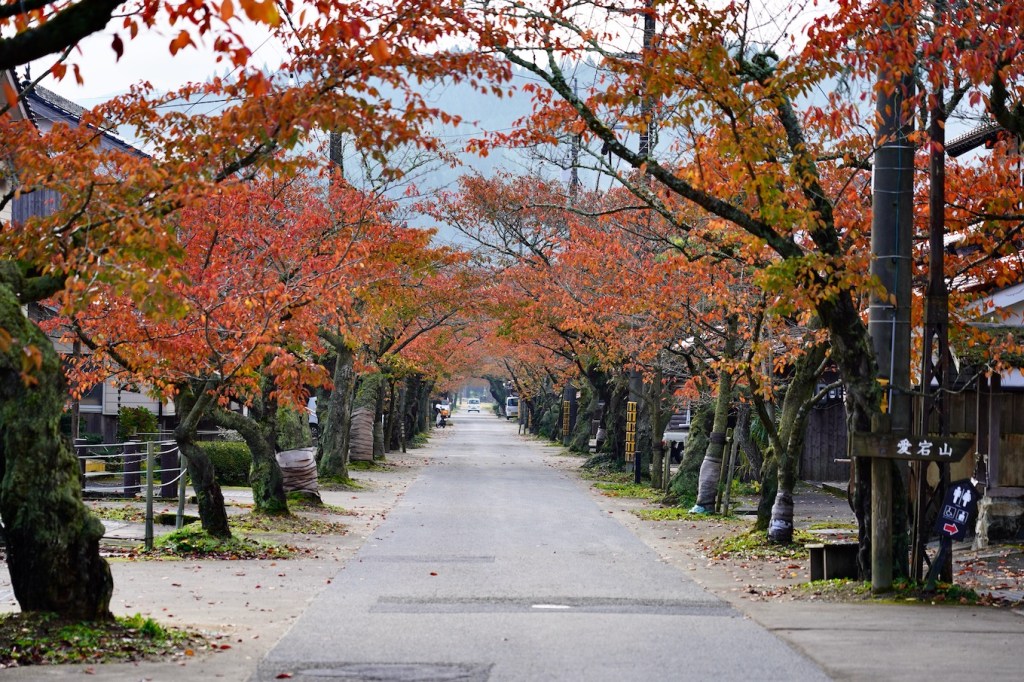
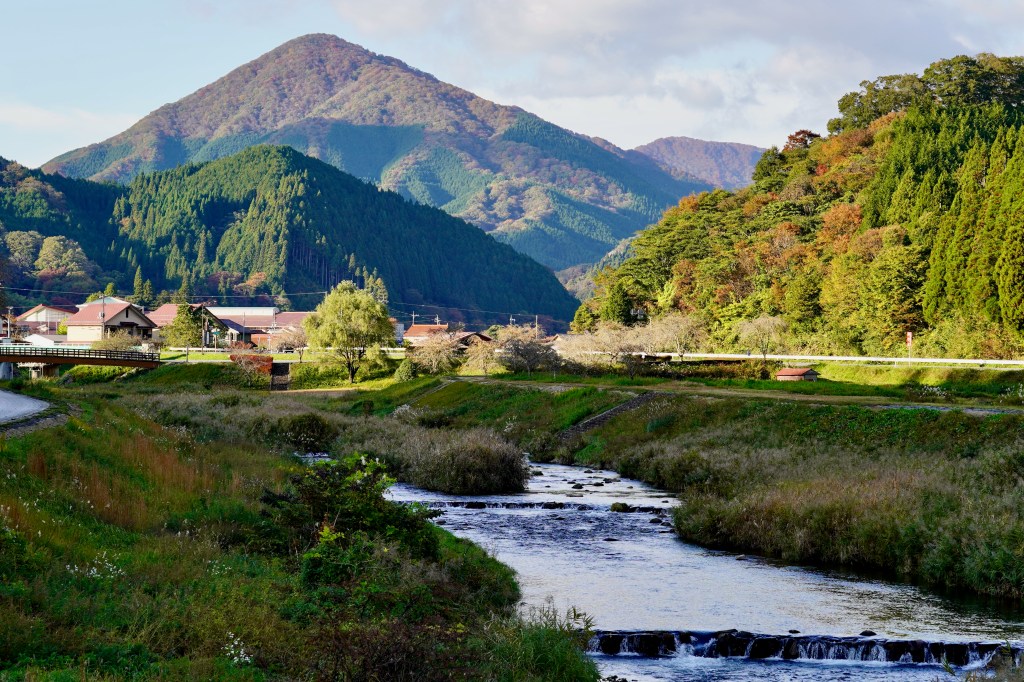
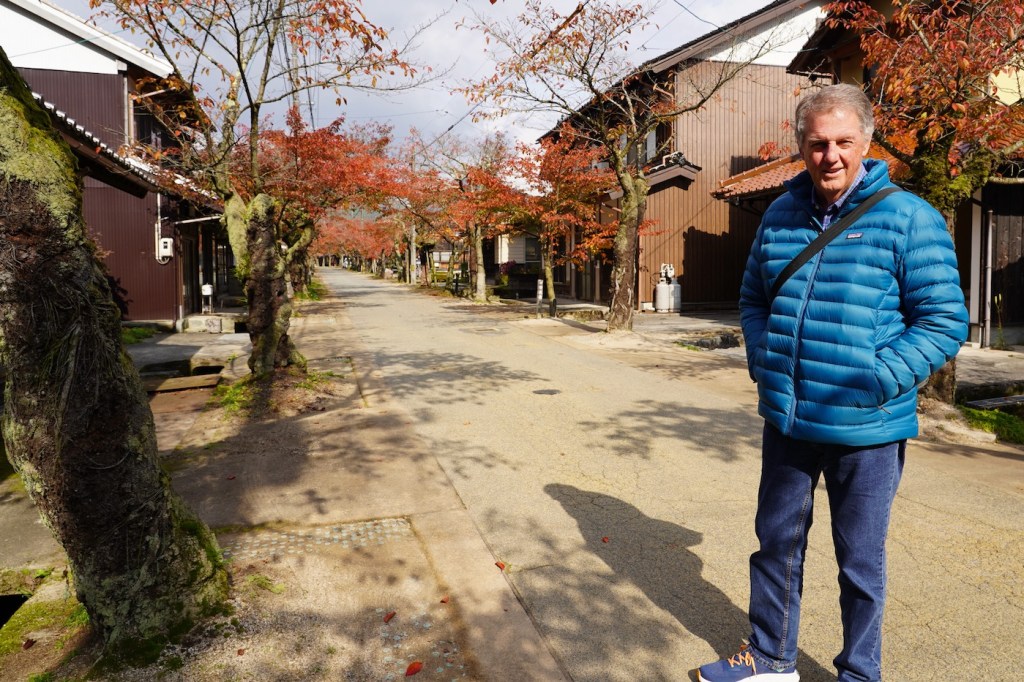
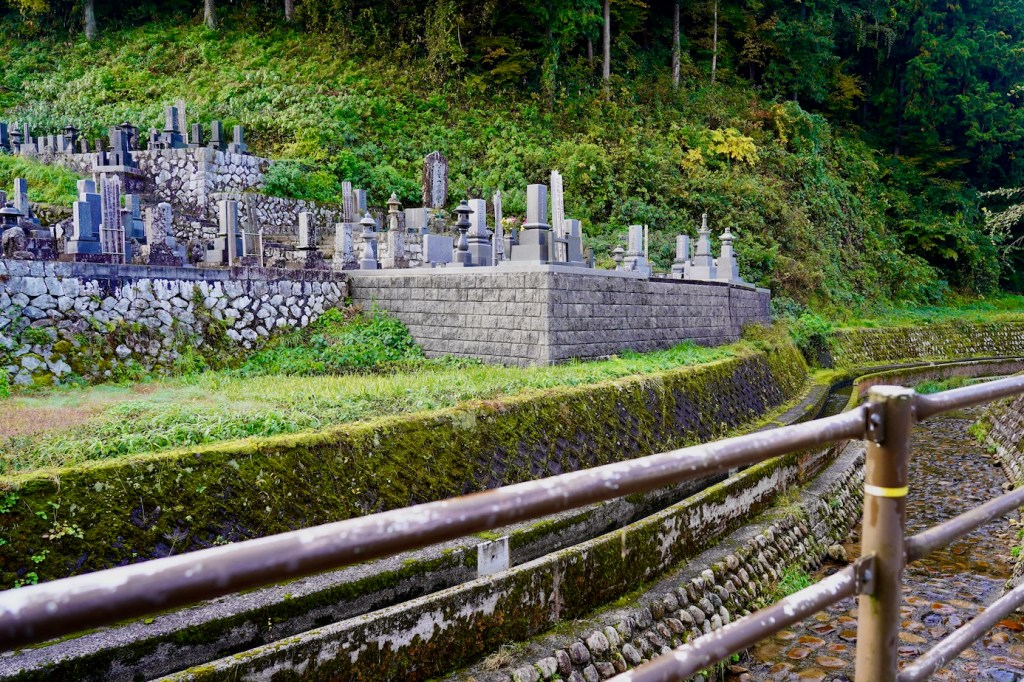
So – let me introduce you to the treat stay for our October/November visit to Japan last year (2025). Shinjō is a small remote village amongst the mountains in the north east of Okayama Prefecture. It only has just over 800 people living there. There’s no whizz bang tourist stuff – no neon lights – no amusement parks – no animae or manga centre. Not even a railway station. Just a simple village with historical roots stretching back centuries. A great sense of community. And a main street lined with cherry trees planted by villagers more than a century ago.
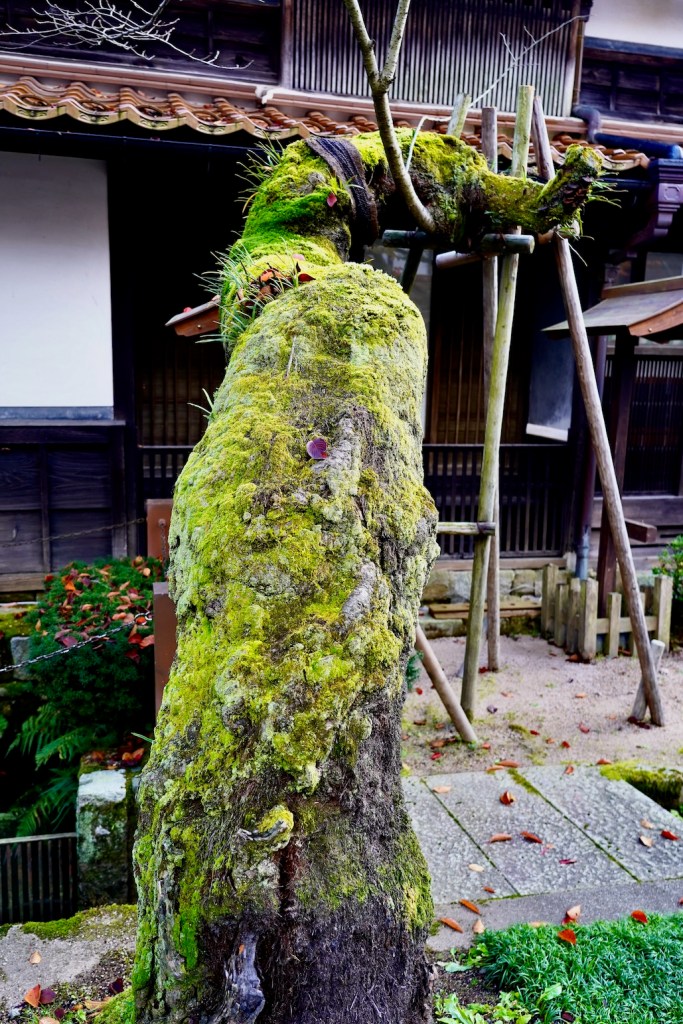
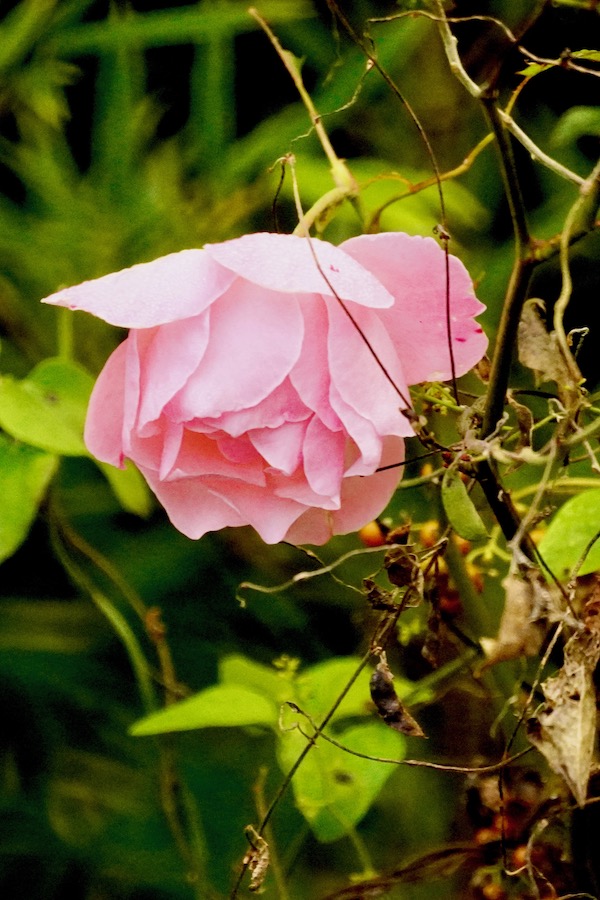
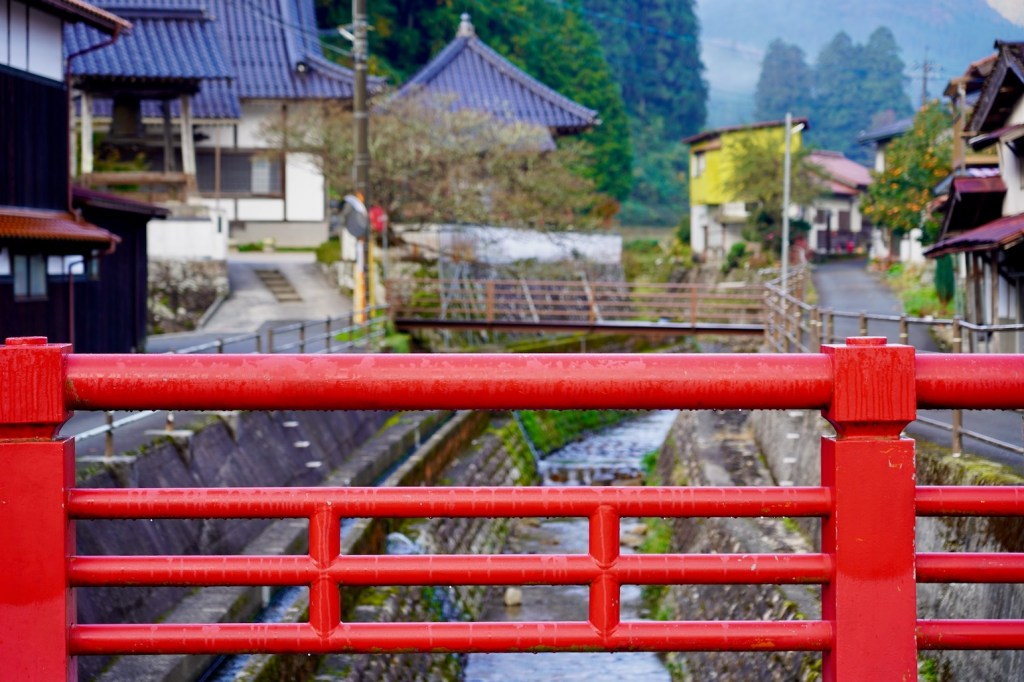
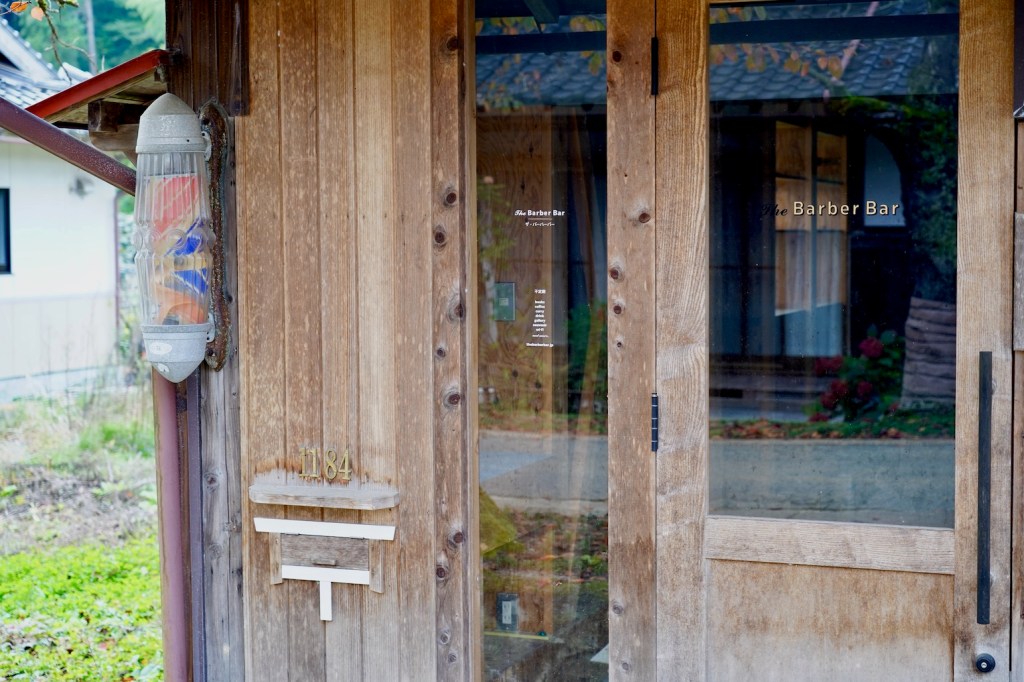
Shinjō is a place where you find your own pleasure – for me, it’s roaming its streets at dawn, taking in the village landscape, the homes, the tiny shrines and relaxing in a sunset evening glow. It’s little bridges, plant life, home veggie patches, meeting the locals, and tasting the village food. Shinjō is not a tourist village – it is the real thing – a living study of ordinary village life in Japan. What you gain from visiting is up to you. For me, it provided peace, tranquility, and stillness – Shinjō fed my soul. Stop and smell the roses – this is the place to do it!
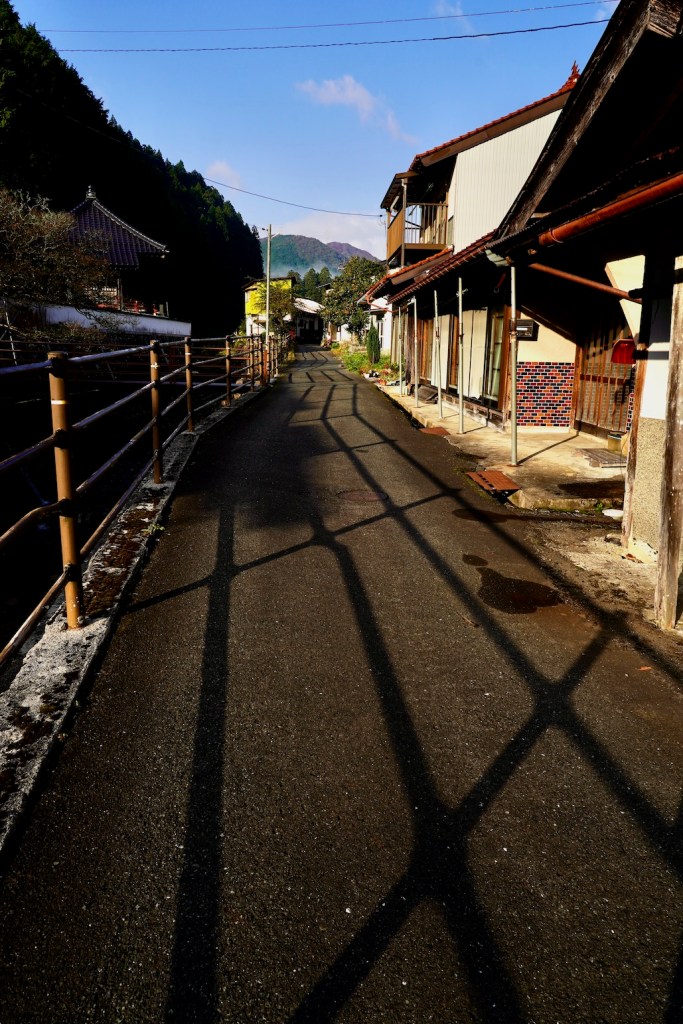
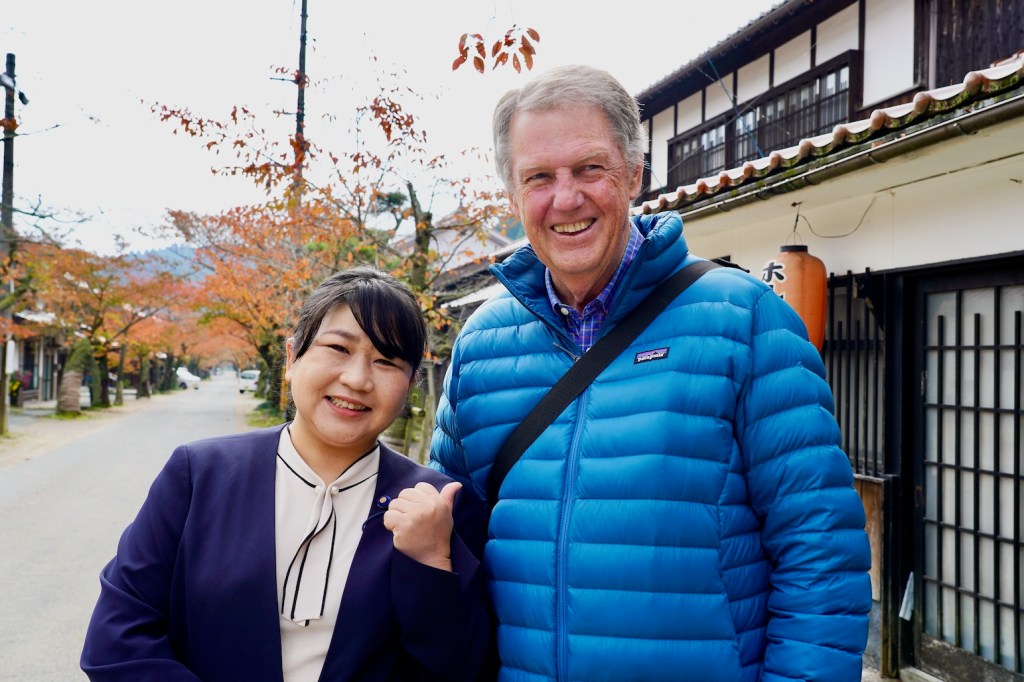
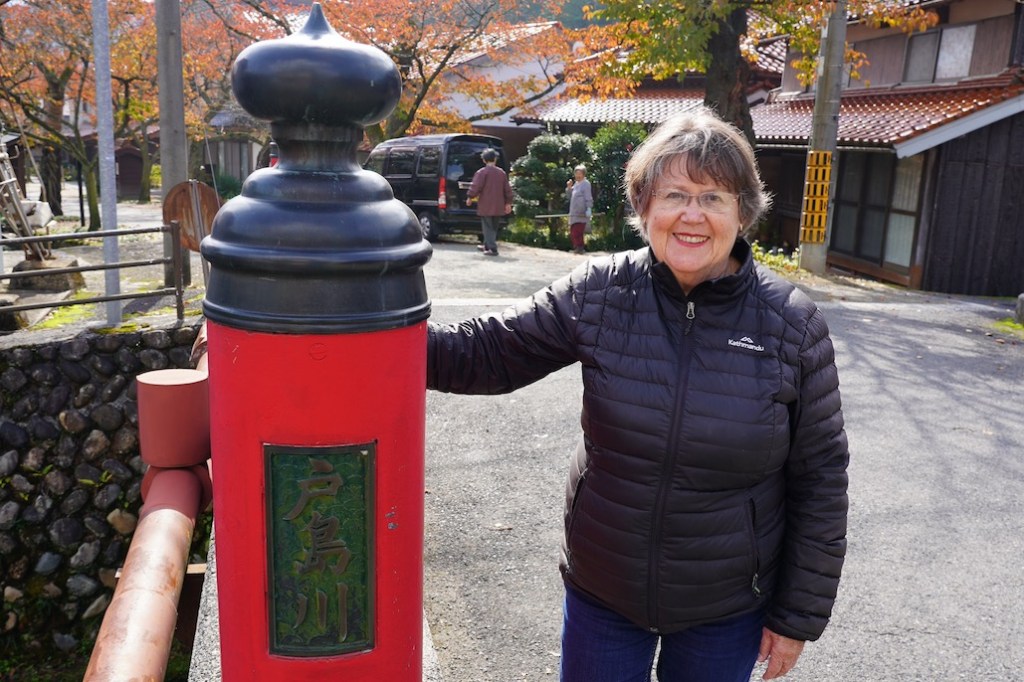
The cherry blossoms lining the village’s man street were planted in 1905 to celebrate Japan’s victory over Russia in the Russo-Japanese War. The old street is grandly called the Triumphal return Cherry Blossom Street (がいせん桜通りGaisen sakura dōri). Wooden Japanese old style buildings line the street – some once accommodated people en route through the town in mandatory processions of daimyo lords back and forth between their homes and Edo (Tokyo).
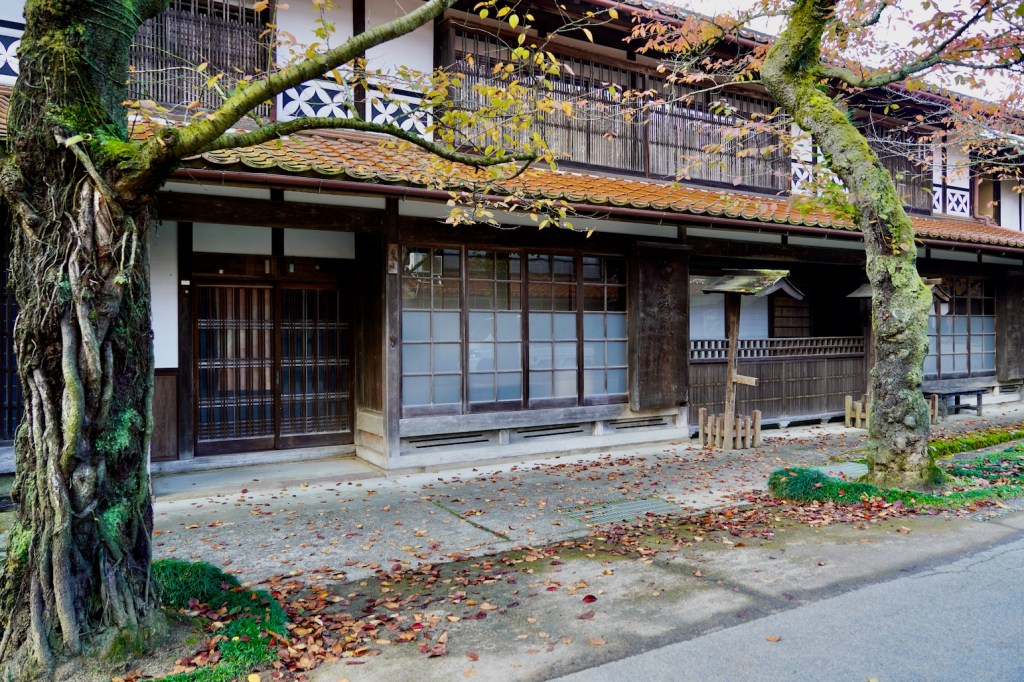
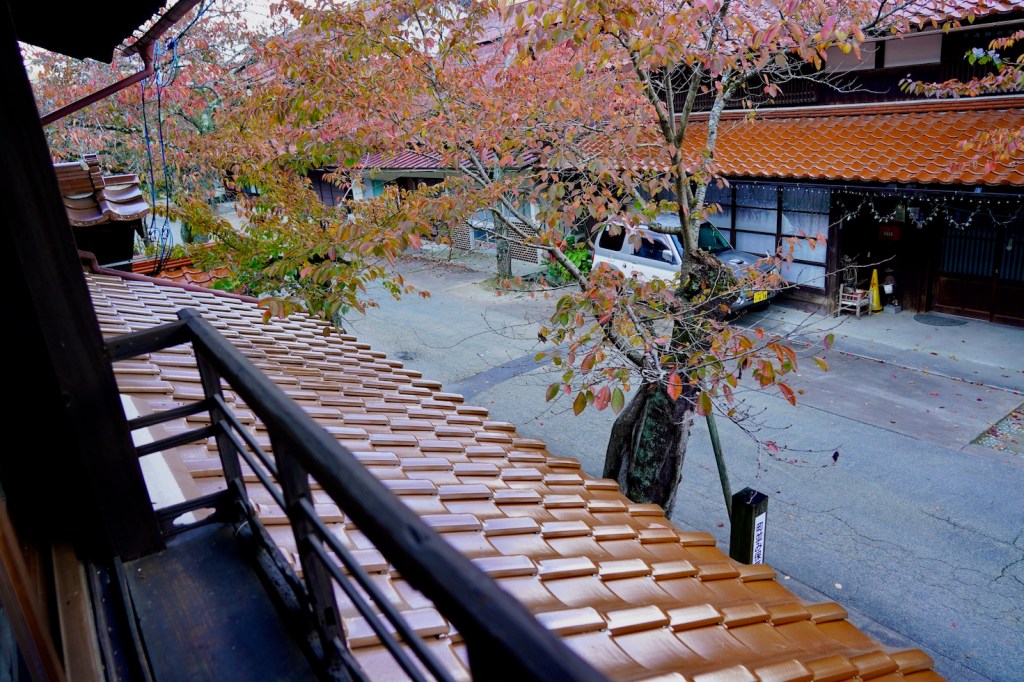
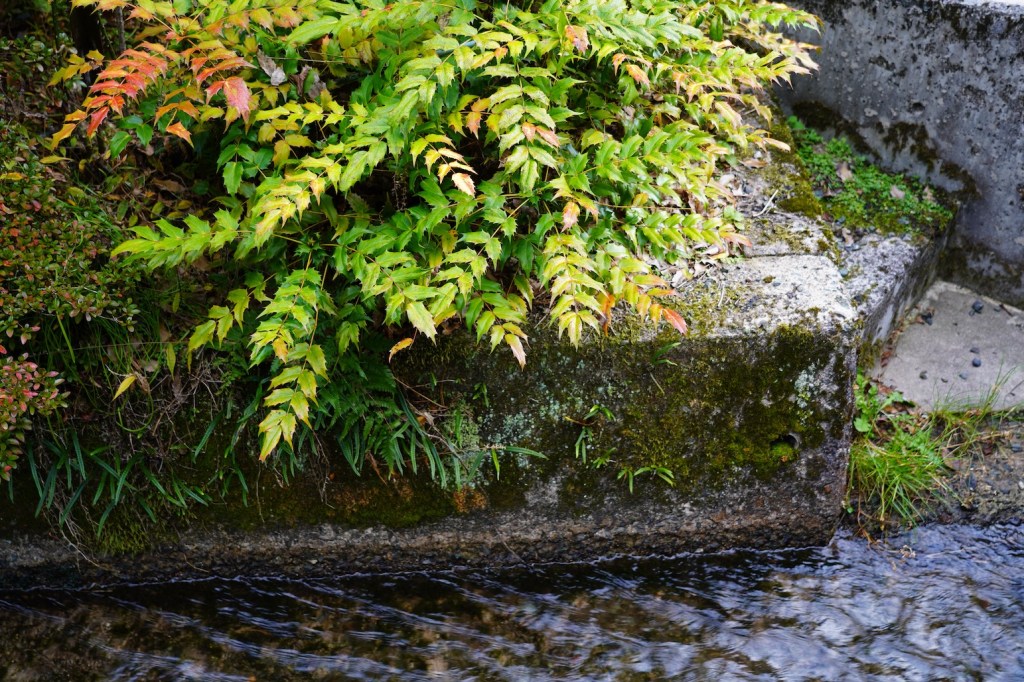
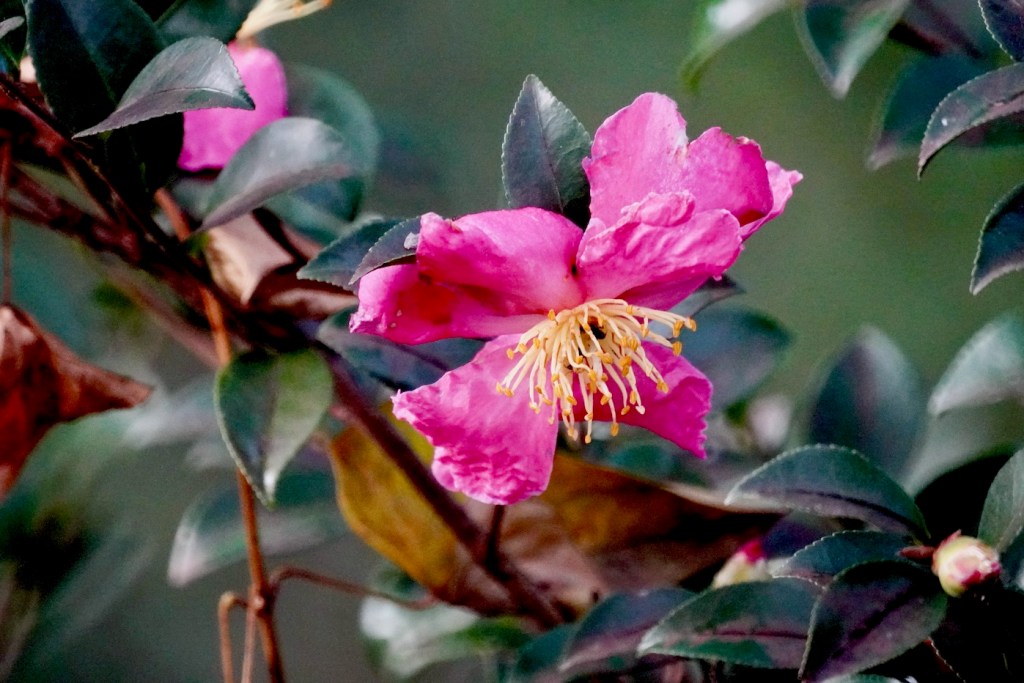
These cherry blossoms attract big numbers of mostly local tourists during spring, but when we visited in November there wasn’t a tourist in sight. There were still plenty of other plants in flower and other interesting foliage to view.

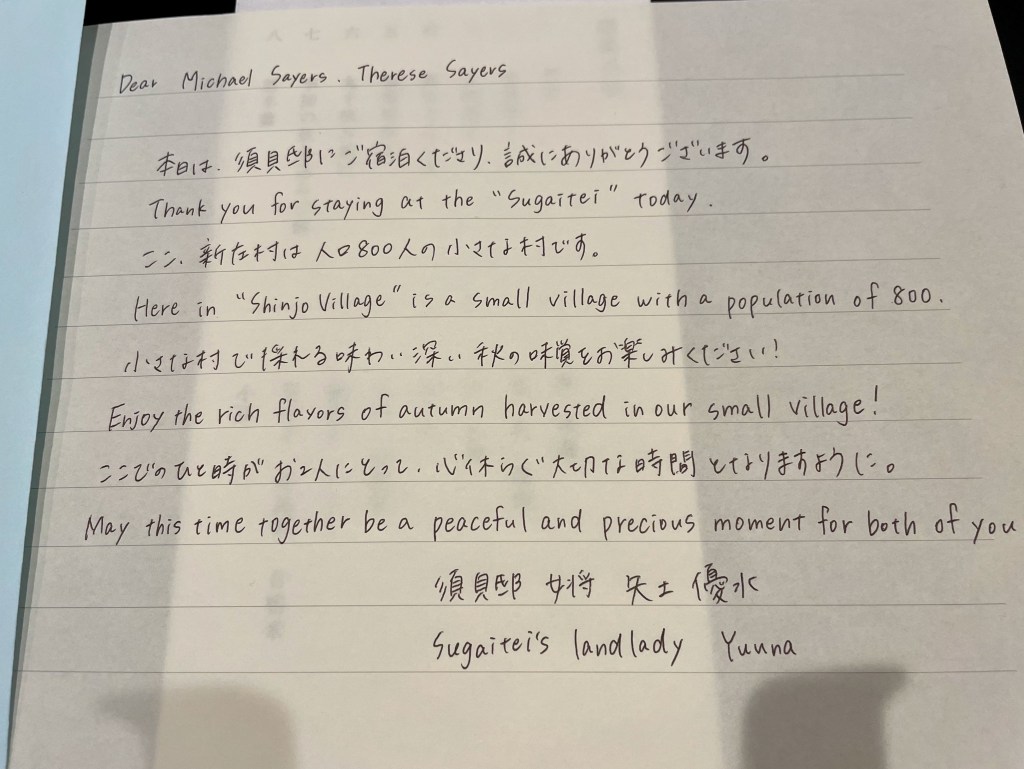
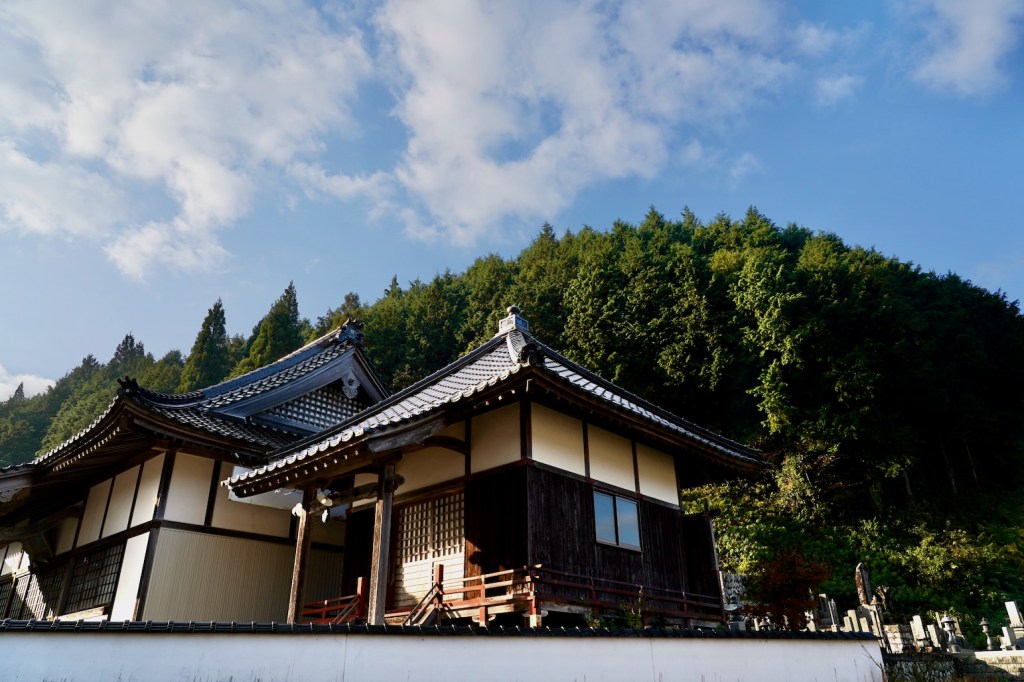
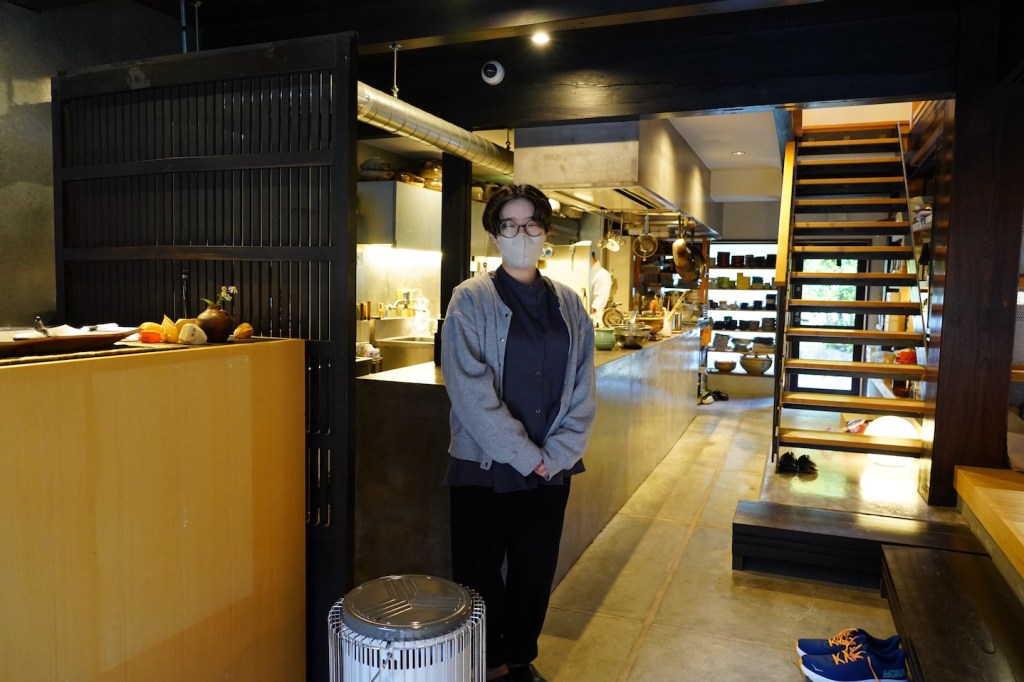
Our treat stay for two nights was at Shinjo-Shuju Sugaitei – an Inn with two spacious ensuite rooms. The Inn is in a one hundred year plus traditional wooden house along the Main Street. Inside, the house has been cleverly converted to stylish accommodation that caters for no more than four guests at a time. The interior is reminiscent of Scandinavia, but still retains a distinctive Japan feel. A very special place to stay!
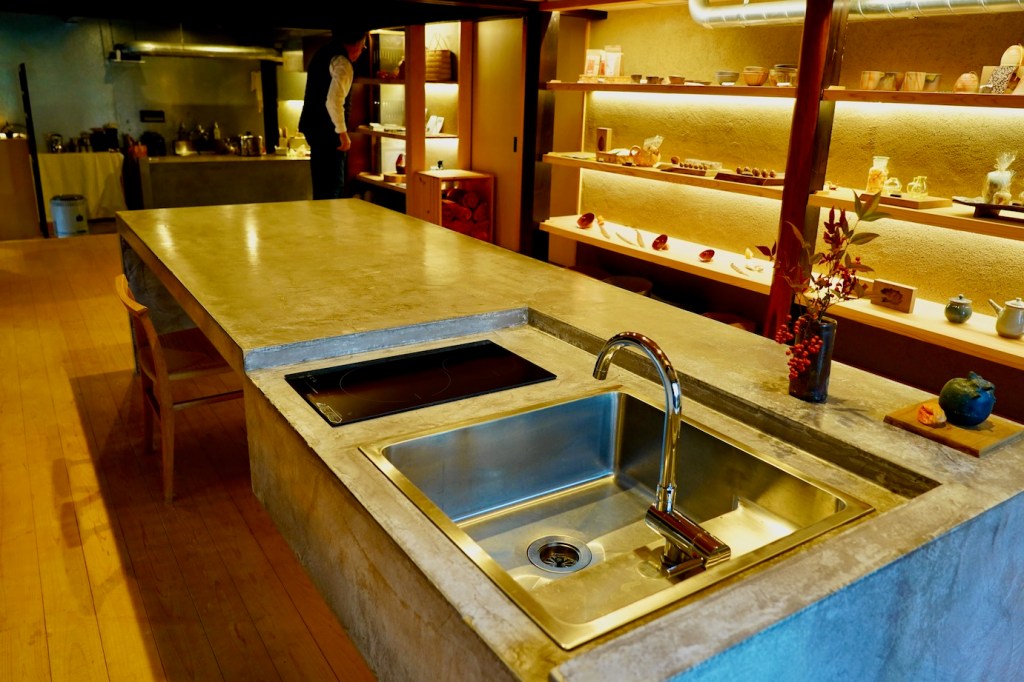
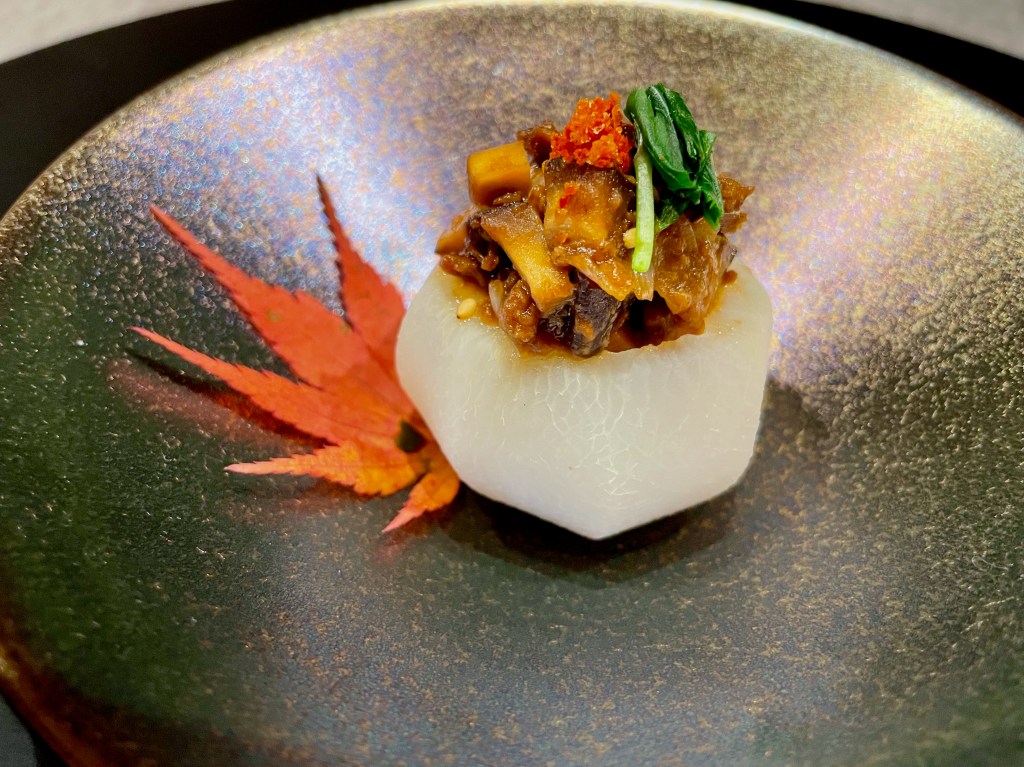
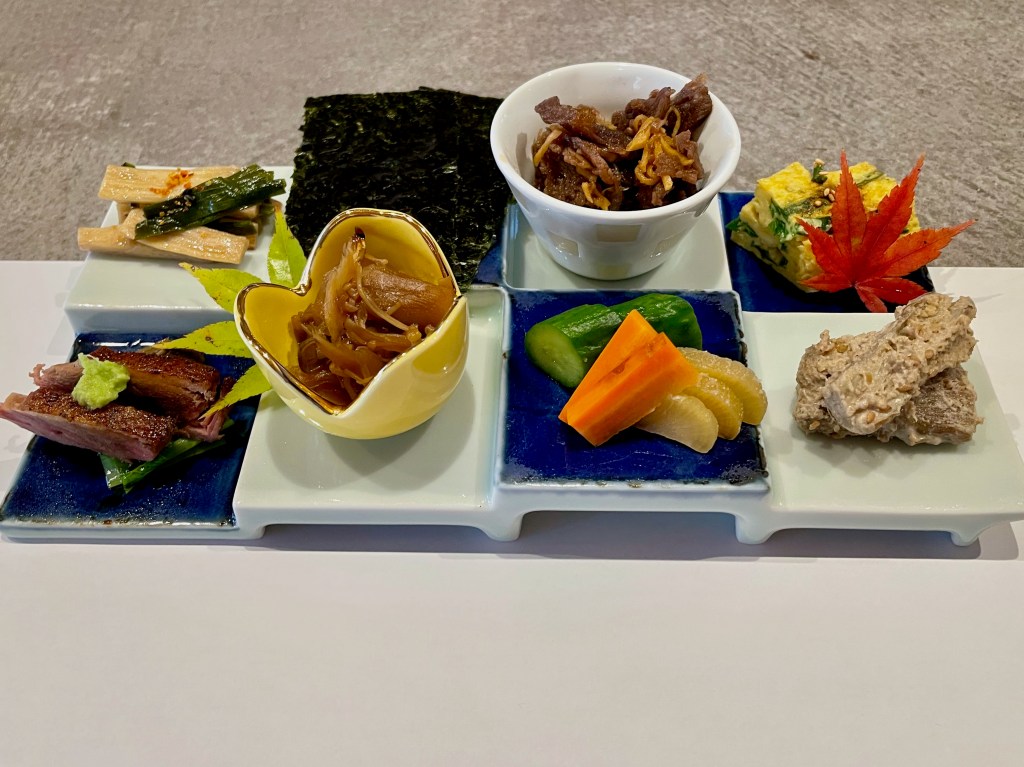
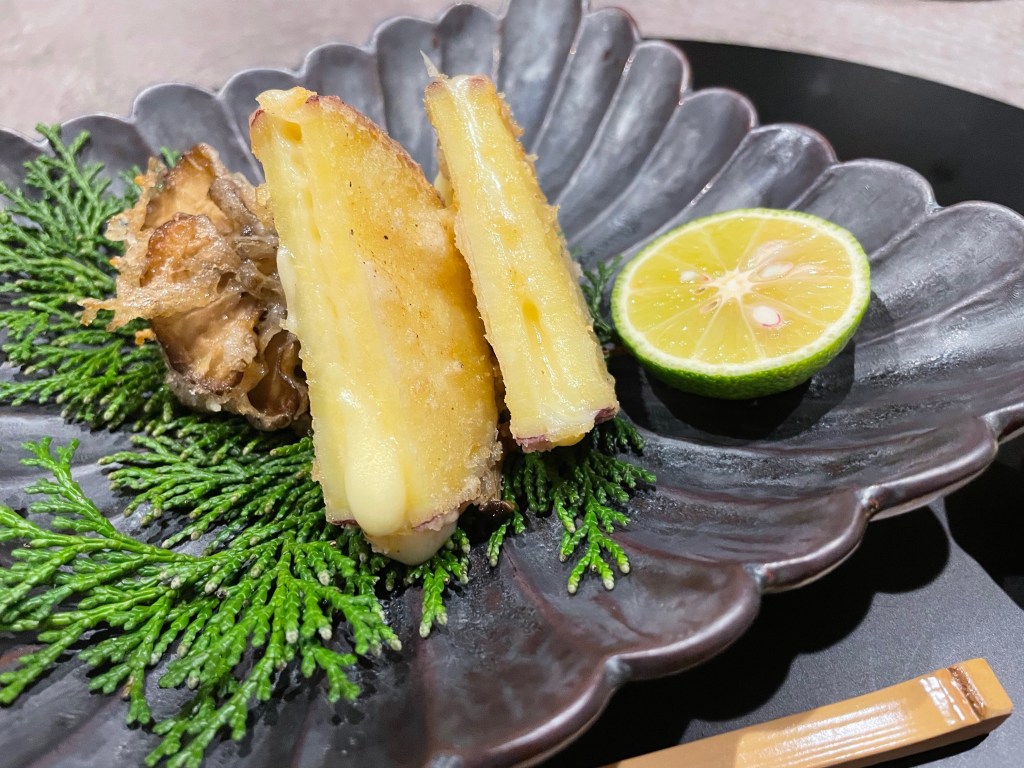
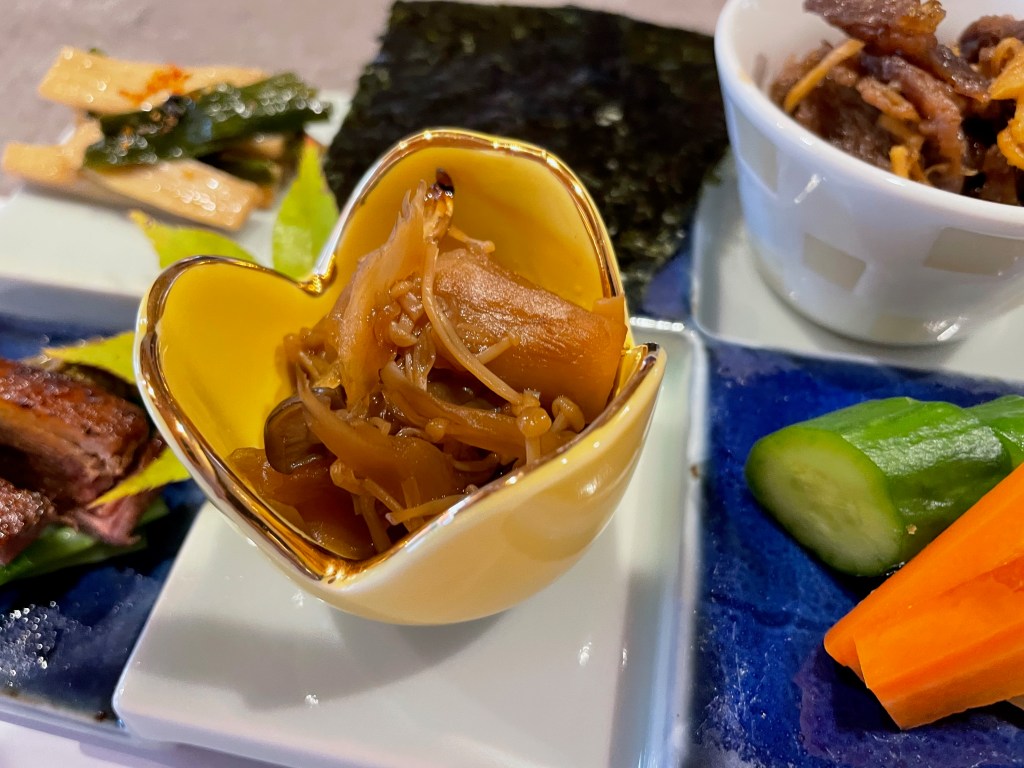
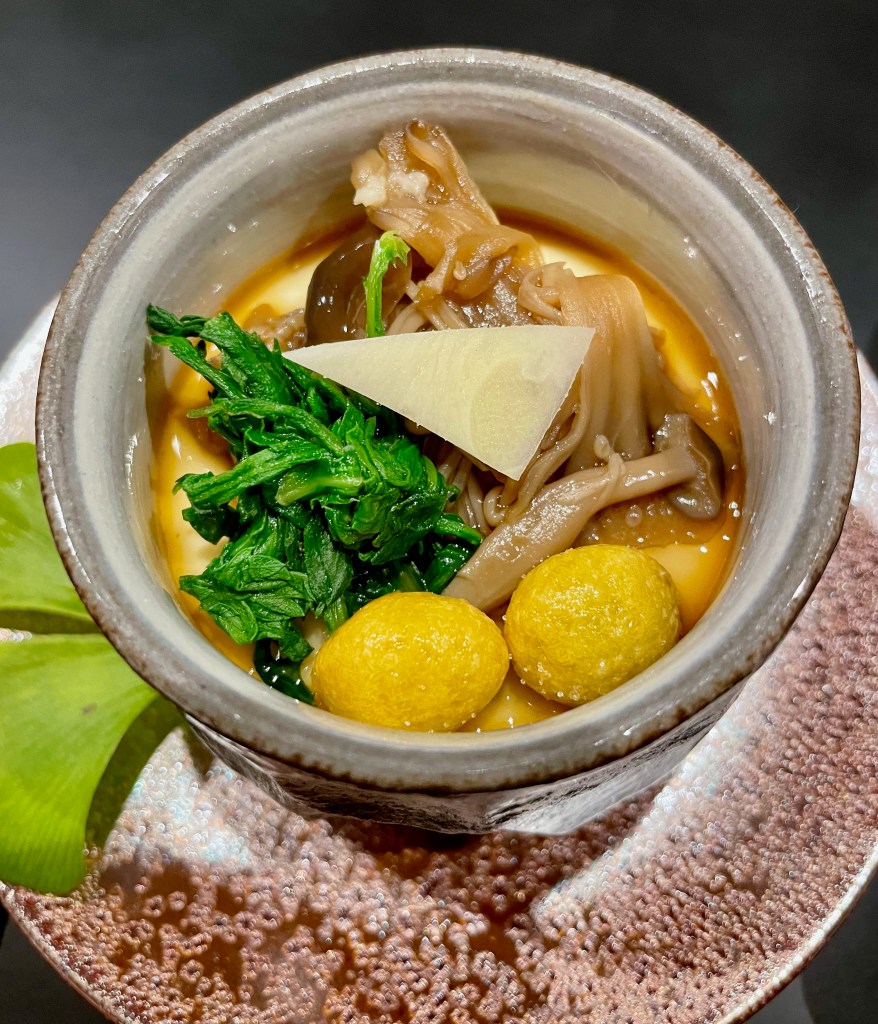
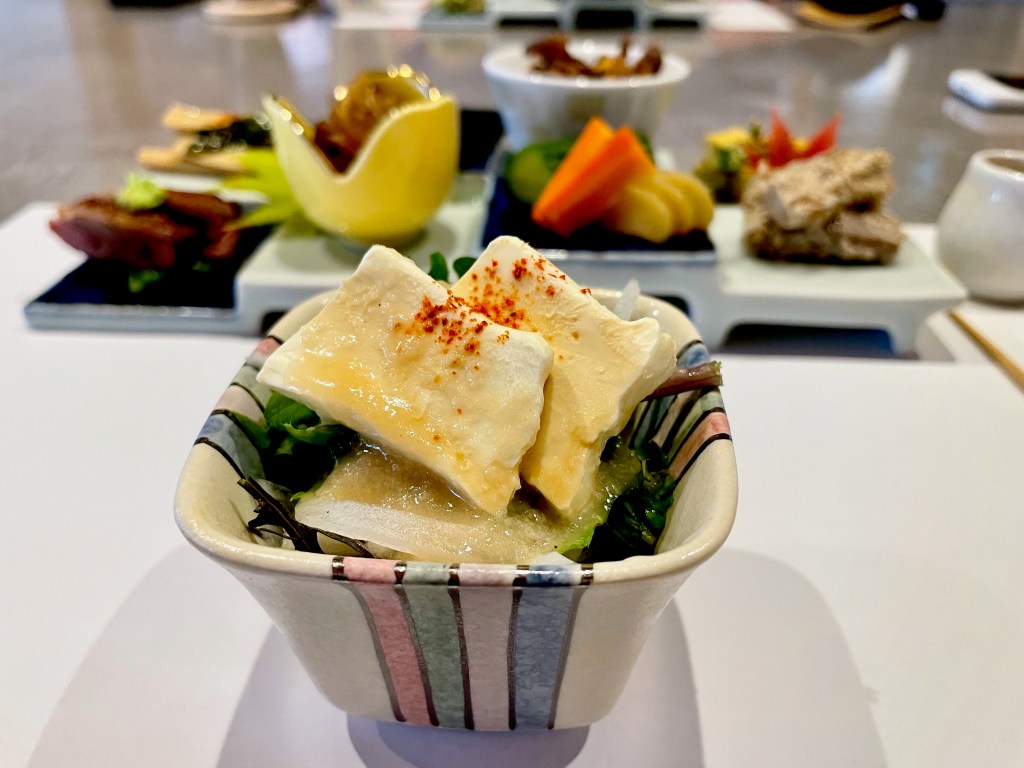
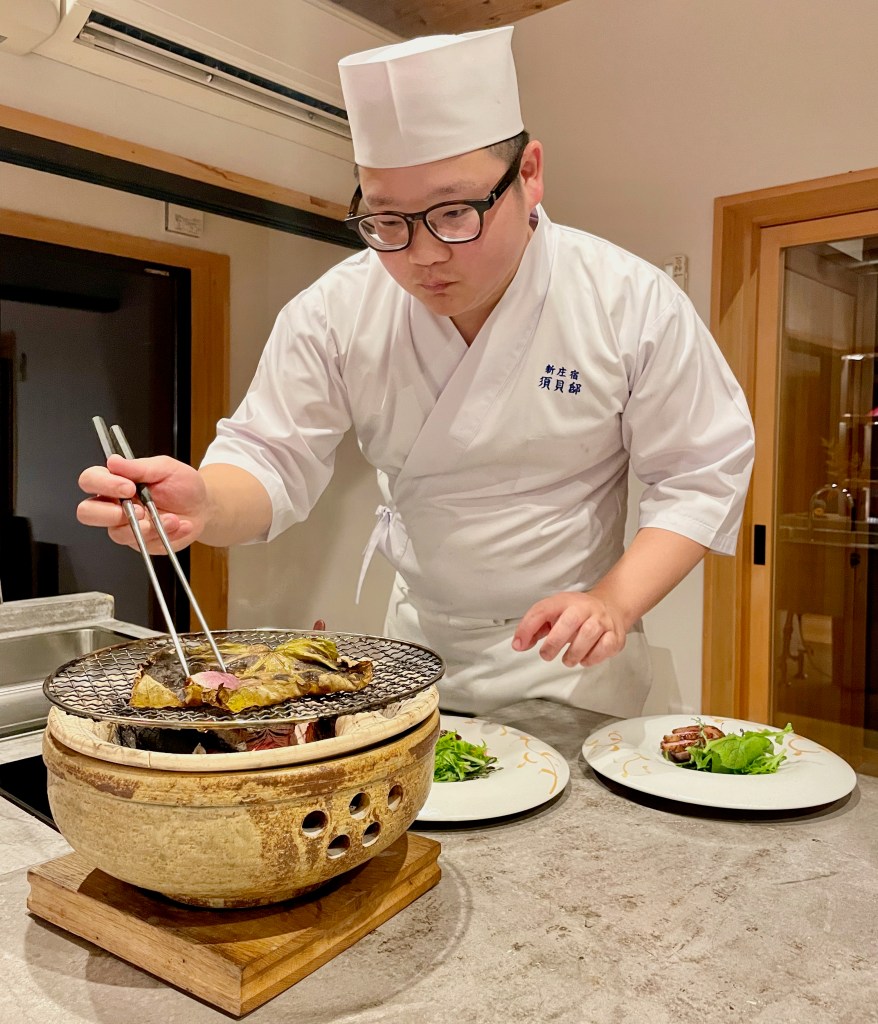
A young and very talented private chef Yuuta Mikamo comes in to cook a multi course breakfast and dinner for guests every day as part of the overnight tariff. Our stay cost us around $550 Australian a night all up. The price varies depending on what night of the week you want to stay. Bargain hunter me planned our Japan trip around the two mid week cheapest nights.
Our stay was in the off season, and I had the impression that some closed shops would be open in busier times such as Cherry blossom season in Spring. We personally liked the quieter time.
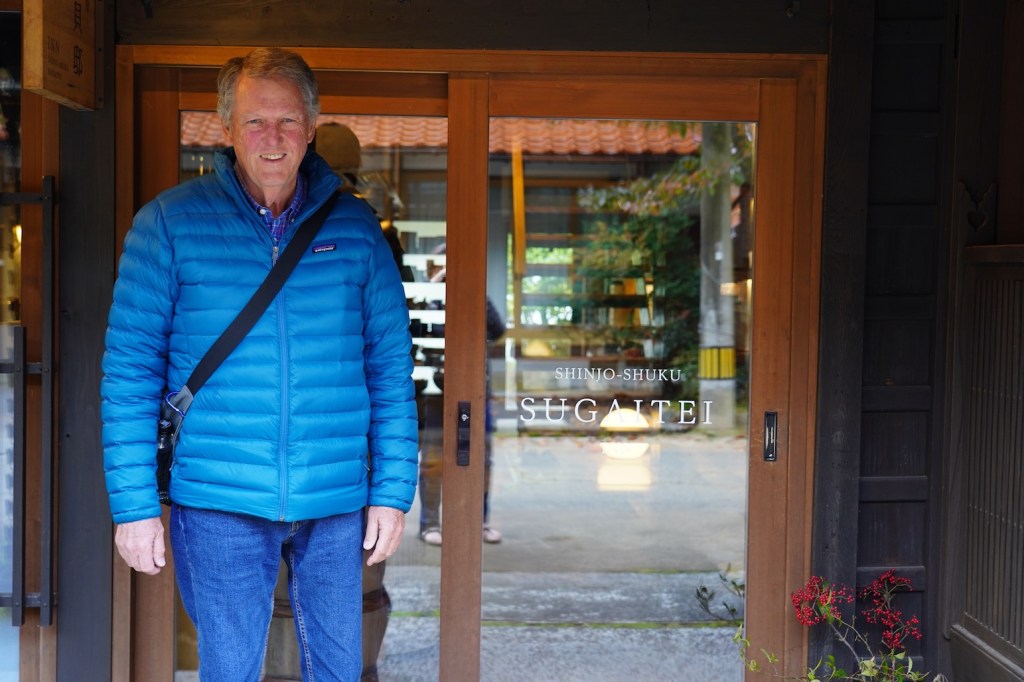
When you consider the meals we enjoyed – all tailored to our tastes – the service and the high standard of accommodation, I think $550 a night was pretty good!
I read about the village from a fellow blogger’s post about her stay there, and I presumed it would be too costly for us. So I was pleasantly surprised when I checked it out further. I immediately began to assess how we could secure a booking, emailing staff direct for information.
As mentioned, there is no railway station in the village. The nearest station is a 20 minute drive away at Neu – between Okayama city and Matsue. By rail, you travel on the YAKUMO train service – the Yakumo was only introduced in 2024 – very new, very comfortable. And the journey is very scenic. We were already familiar with the Yakumo, having travelled on it between Okayama and Matsue in 2024.
There is another pickup point: Take the JR Tsuyama Line from Okayama Station to Tsuyama Station. At Tsuyama Station, transfer to the Kishin Line and get off at Chugoku Katsuyama Station to be met by staff. We chose the Neu pickup as there was no rail transfer involved.
Neu is a tiny country station that seems in the middle of nowhere – so we were a bit concerned getting off the train in case no one was there to greet us. But one of the Inn’s young Landlady, Yuuna Yatsuchi waved a warm welcome to us as we got off the train, and drove us up to the village through mountain tunnels and winding roads in her zippy little car. Delivery back to Neu at the end of your stay is all part of the tariff.
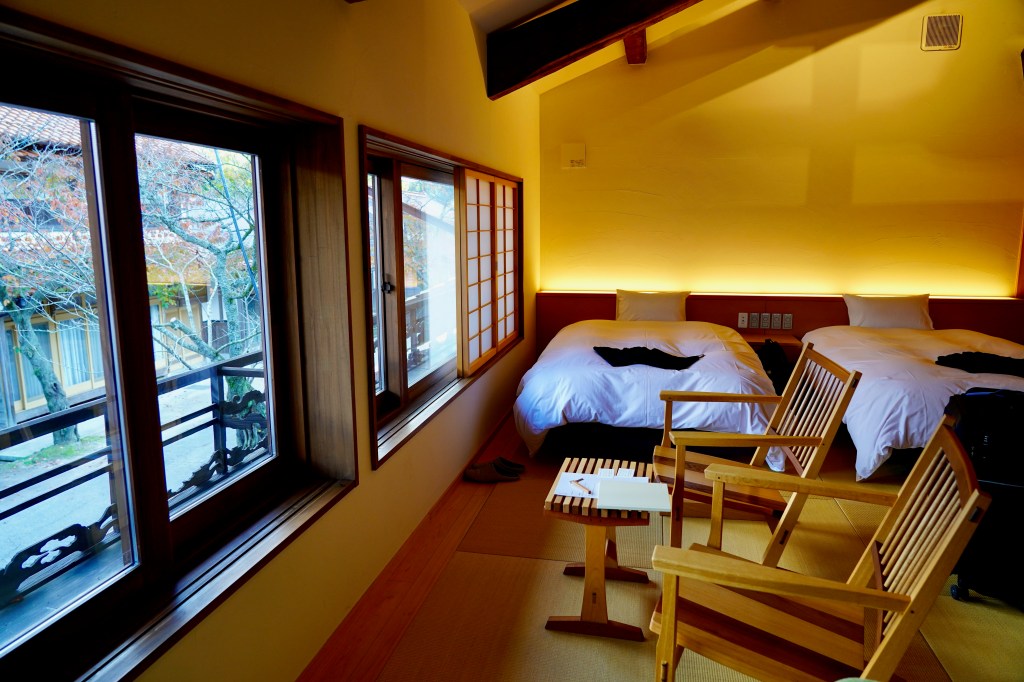
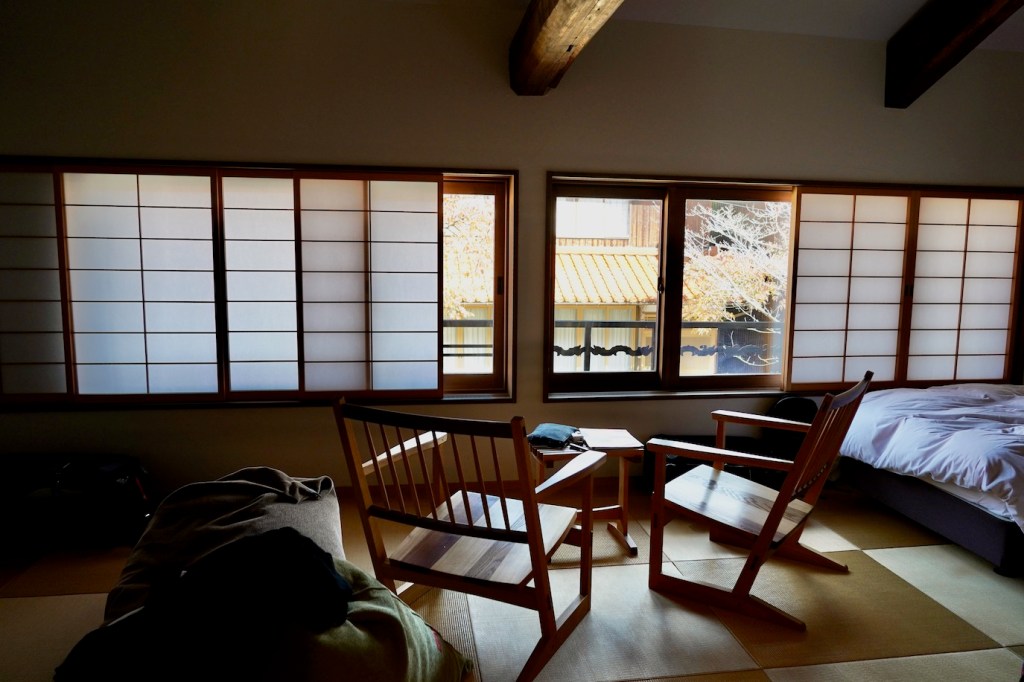
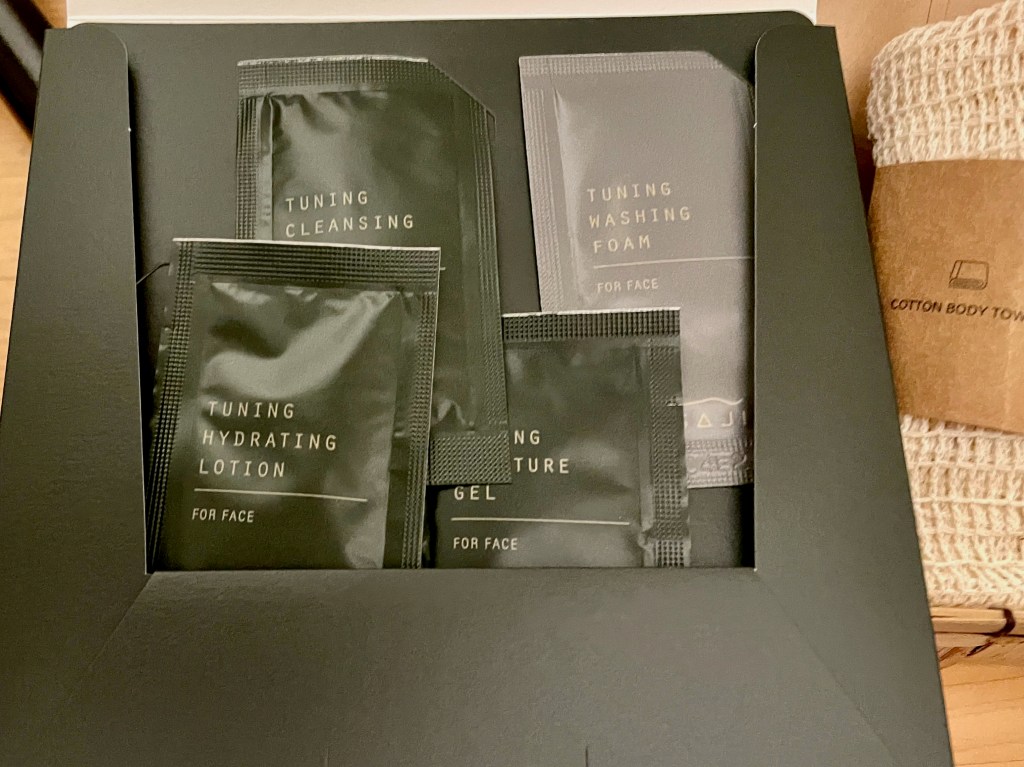
On arrival, we were shown around the Inn, and took a wander through the village before an afternoon rest and relax in our spacious room, overlooking the Main Street.
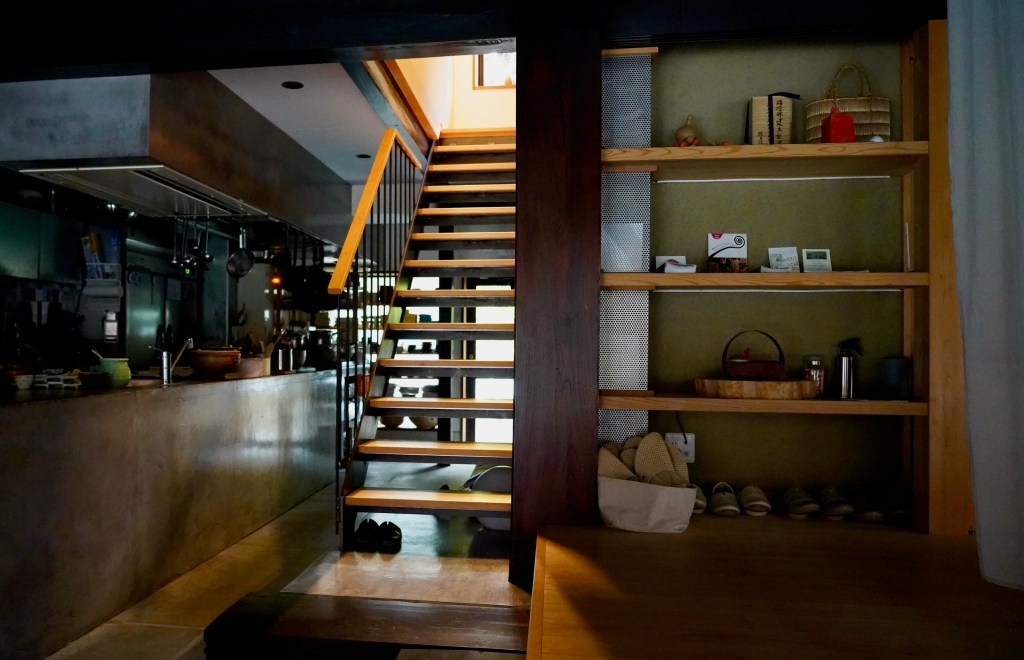
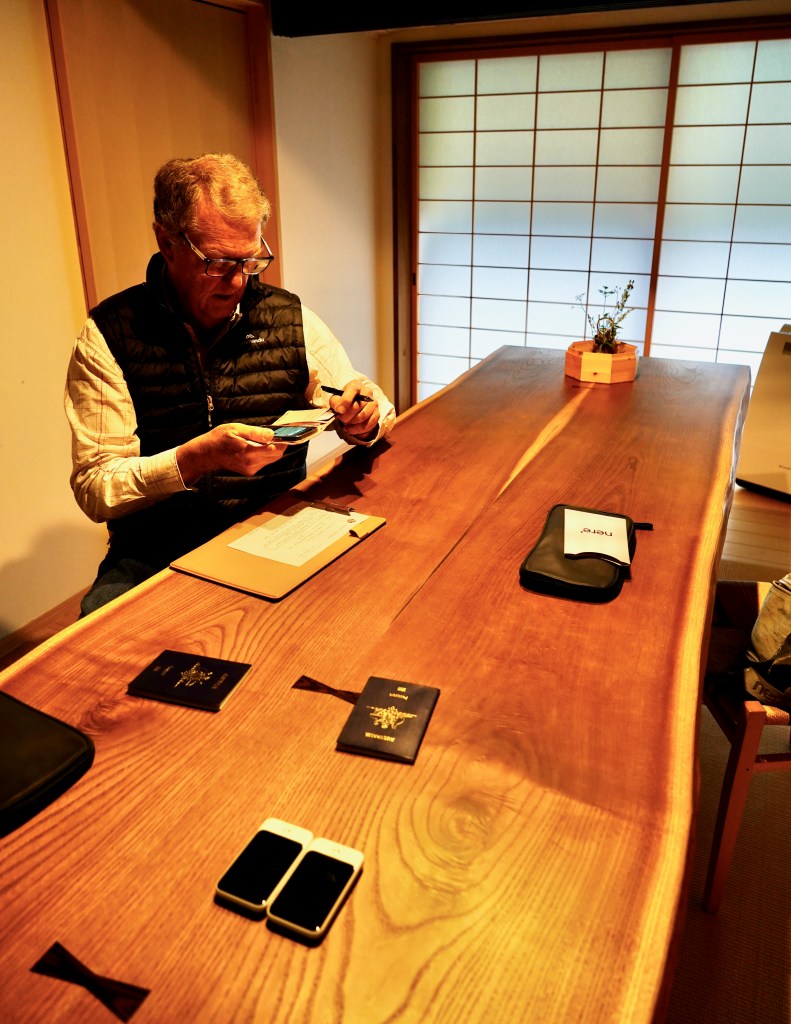
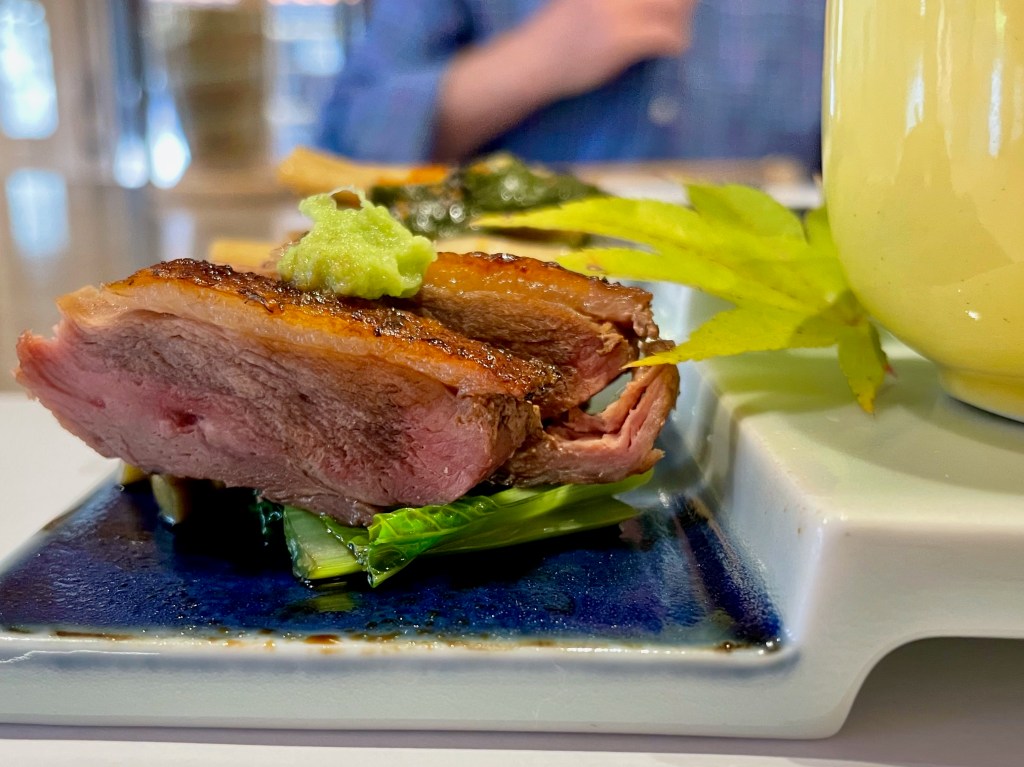
Dinner and breakfast served in the main dining room was amazing. There is a second more private dining room where we had meals on our second day as a two more guests had arrived. Before arriving, the Inn had emailed us for any likes, dislikes, allergies etc. We opted not to have fish or crustaceans. Chef Yuuta Mikamo was raised in the village, moving to Tokyo for training and experience, before deciding to return home and pursue his craft in Shinjō.
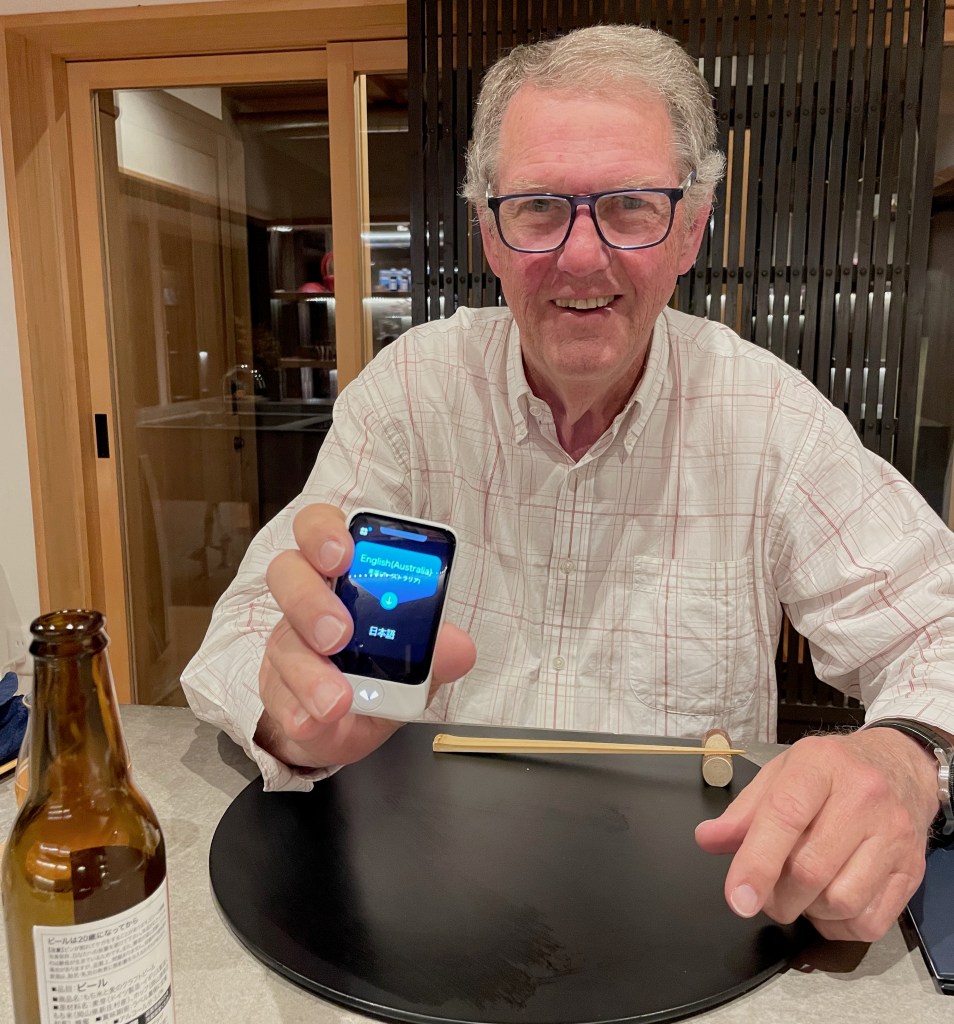
We were well attended to by staff members. First Lady, Second Lady and Third Lady! They had Japanese made tiny translators – about the size of a cigarette box – to assist in conversations with us. The translators worked a treat.
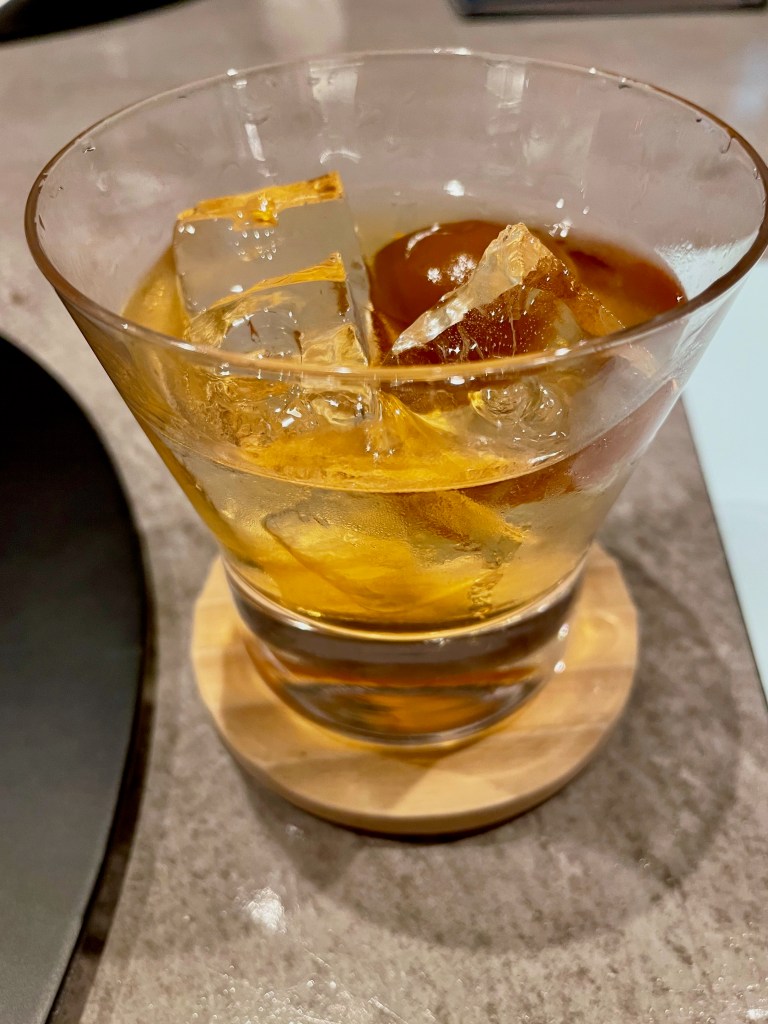
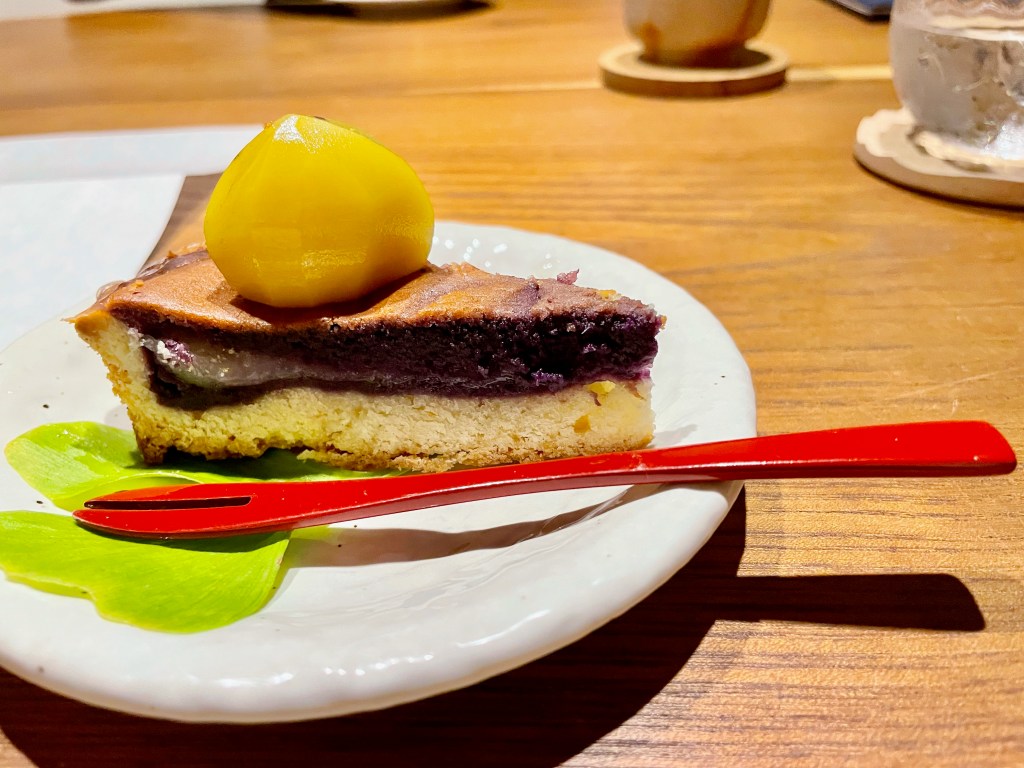
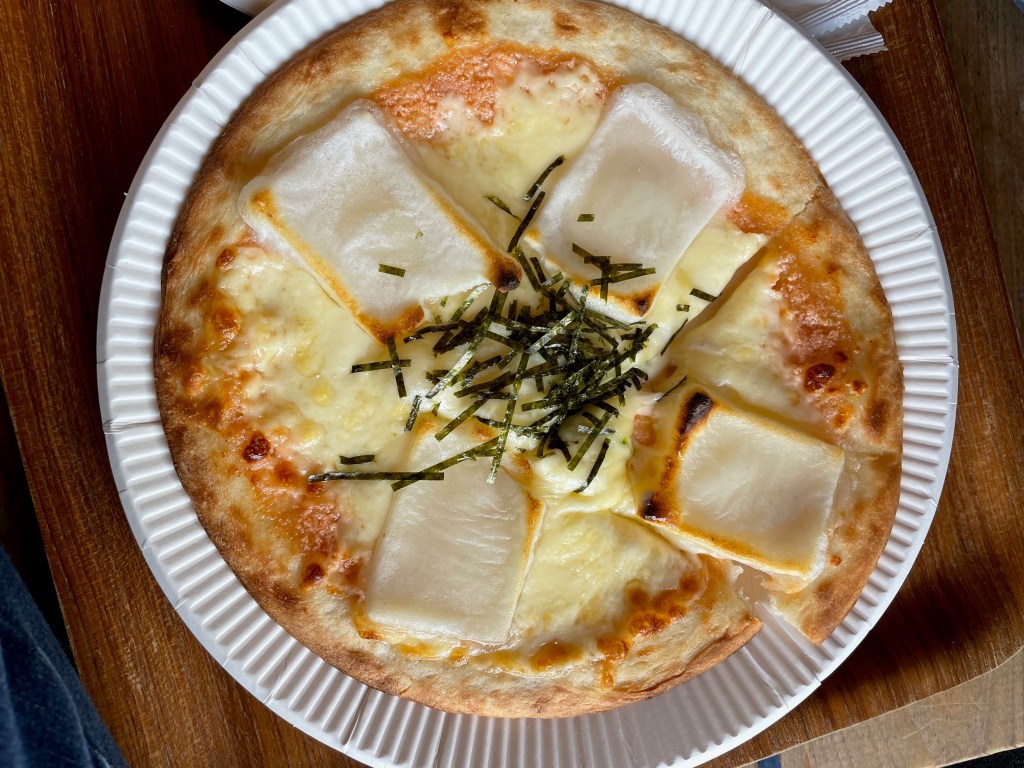
On the outskirts of the village runs a main road – close enough to walk to from the main street across a lovely river – far enough away not to hear any traffic. To boost the local economy, the villagers built a roadhouse there with a cafe and shop with local fruits, vegetables, groceries and alcohol. This is where we bought our lunches, snacks and icecream.It offers Japanese dishes available, but we chose their freshly made pizzas. Simple pizzas, but delicious. Topped with locally made mochi and nori! Who knew that combination was so great! Well, I know now!
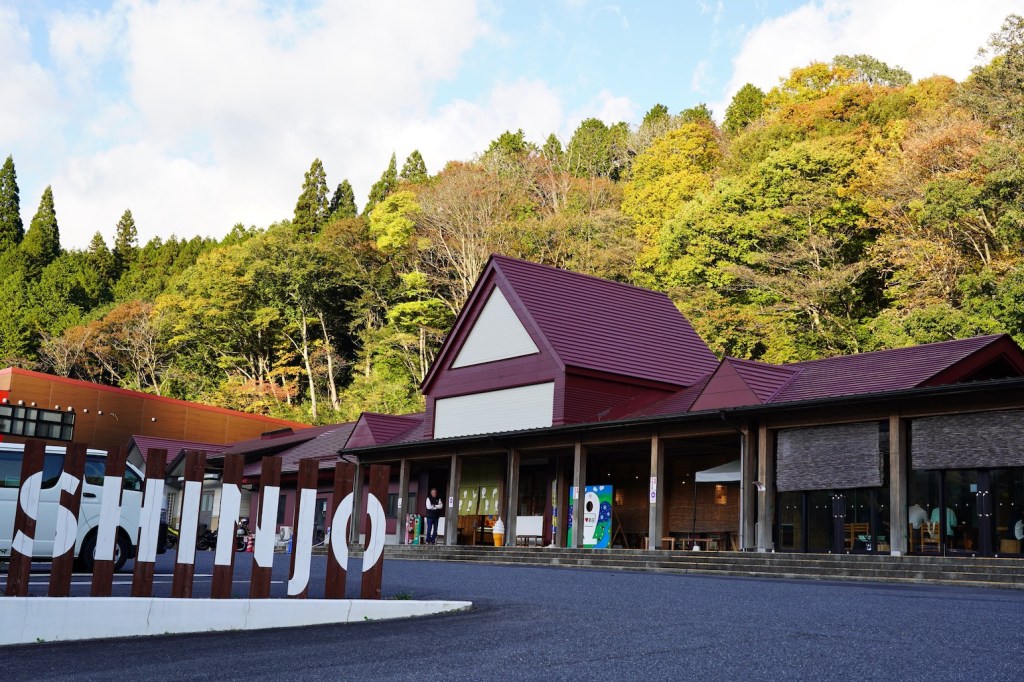
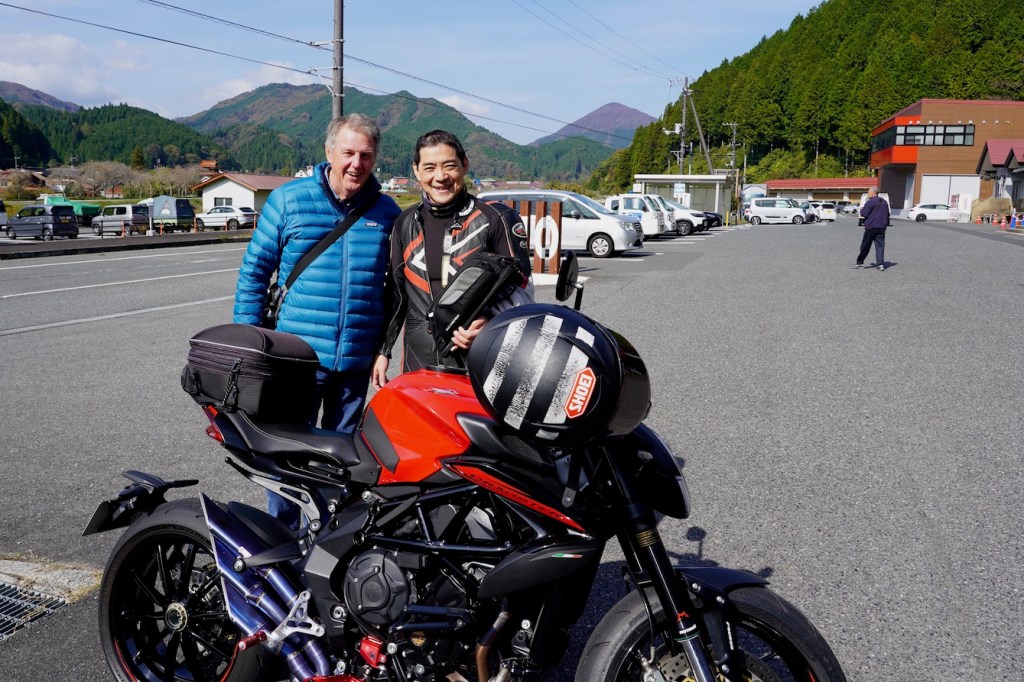
We enjoyed a lovely encounter at the roadhouse with a motor cyclist who sat near us. He spoke good english, and liked to go touring on his motor cycle on weekends. He shared his extensive knowledge about the Okayama prefecture, suggesting other worthwhile places to visit.
Wandering around tiny Shinjō and meeting locals was so enjoyable for us. Taking an early morning walk by myself before breakfast, I spotted a very elderly lady ahead sweeping outside her home. She looked quite flustered when she saw me, and began a quick shuffle towards her front door. There was no one else in the street at that time of the morning, and the sight of this foreign woman heading towards her seemed to frighten her. I quickly called out a cheery Good Morning in Japanese, with a big smile. It was enough to defuse the situation. She stopped and smiled back, embarking on a long conversation in Japanese, I think she presumed that because of my greeting that I was a fluent Japanese speaker. This has happened before to me.
I smiled, nodded, and gestured – somehow fitting into this long and enthusiastic conversation that I didn’t understand. It was a delightful encounter that brightened my day! Eventually I muttered a few Japanese words of departure and was cheerfully waved off by the villager. I’m pretty sure I left her with the impression that I understood every word she said. And in a way, I did. She was welcoming, warm and engaging.
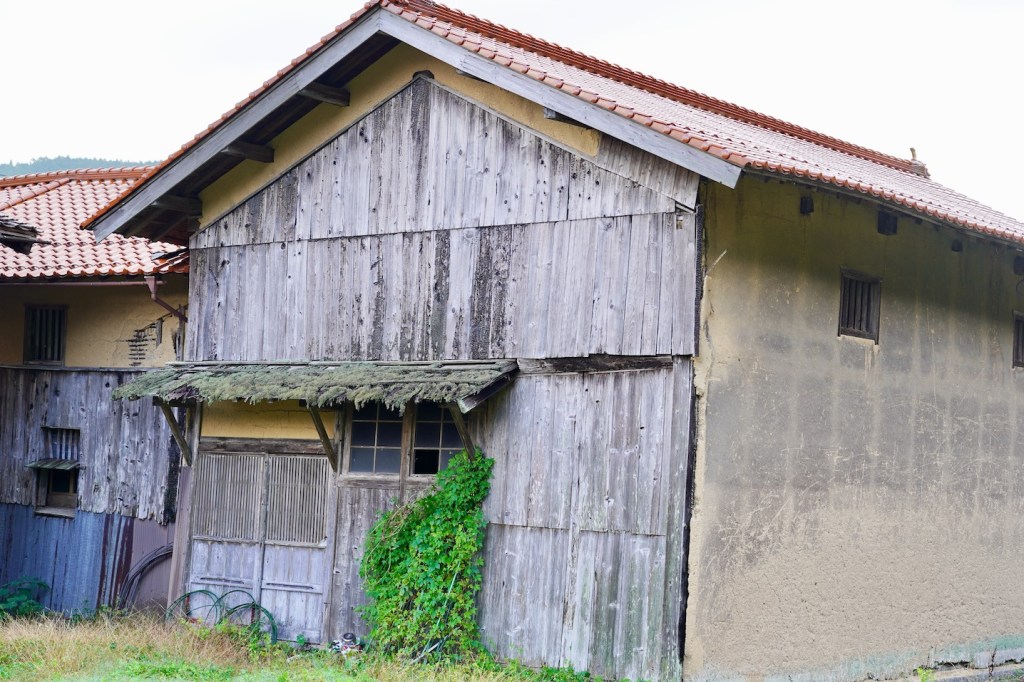
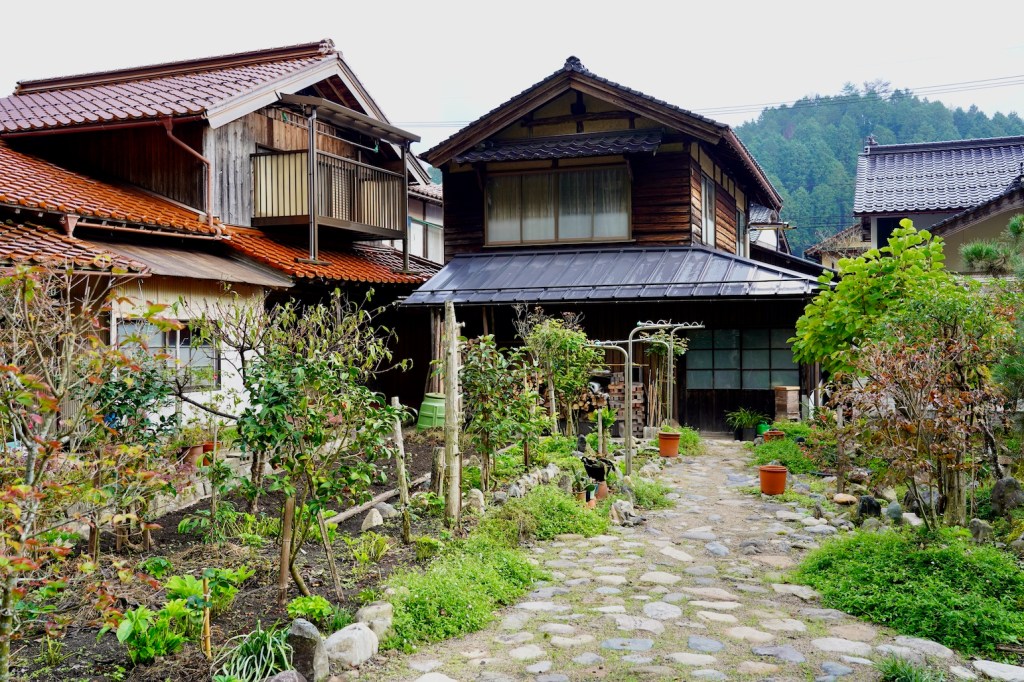
Later, I was ambling along a back street running parallel to the Main Street, when I realised time had gotten away from me, and I was overdue back at the Inn for breakfast. As I sought a quick route back to the Main Street, I spotted what I thought was a public laneway besides a house. As I approached, a lady came out of the house, shooing me away and making it clear that I was trespassing!
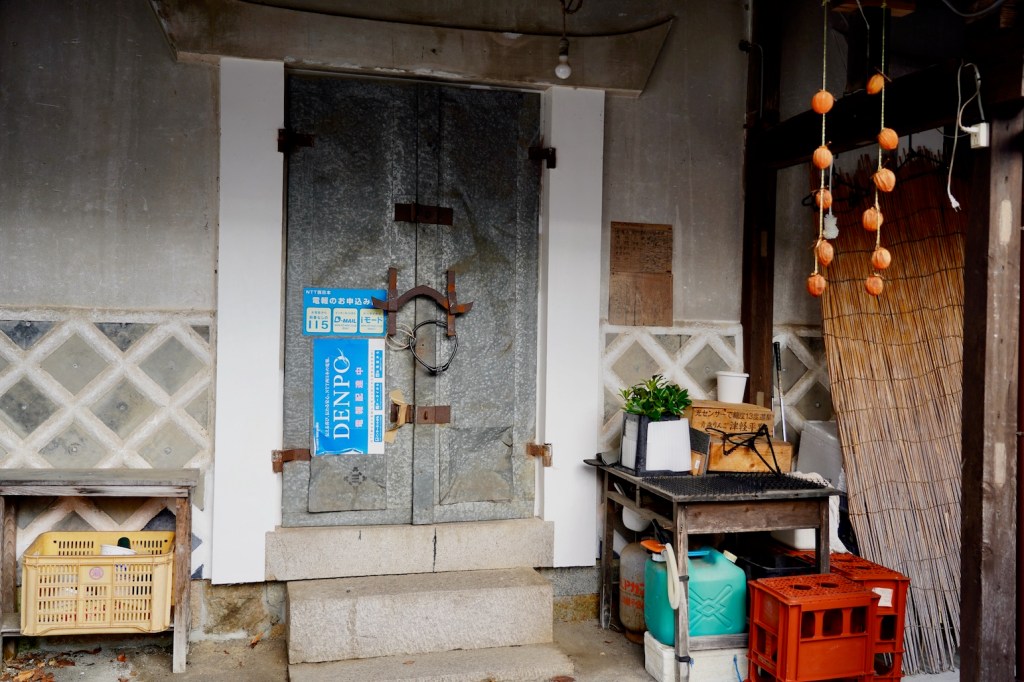
Embarrassed, I bowed deeply with my best Gomen Nasai .. so very sorry. And I gestured the best I could to indicate I was trying to go to the Main Street. I think she suddenly realised I was probably a guest at the Inn – what other foreigner would be roaming the village at that time of the morning! Suddenly, with a welcoming smile, she indicated I should come with her through her home to the main street! Yes, she was providing me with the shortcut I was looking for! So I followed her into her very traditional house – probably a similar vintage as the Inn – with a concrete corridor along the side, paved in stone, and rooms leading off it a few steps up.
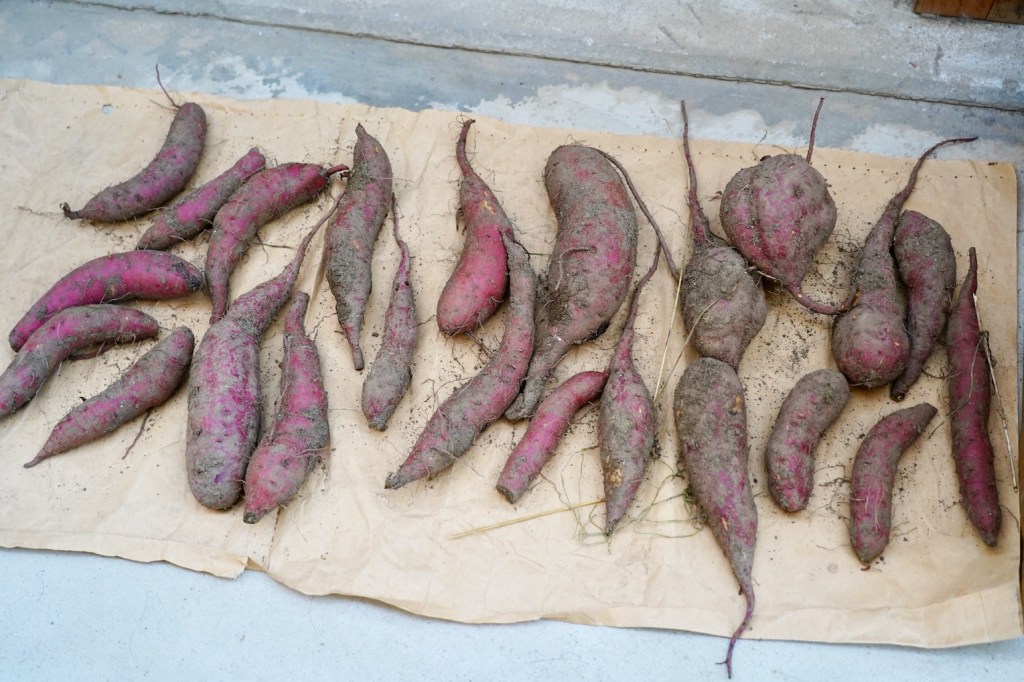
The corridor went from the back of the house to the front, and I spotted a pile of sweet potatoes en route that she was drying. We had a quick conversation about the vegetables. Well, not exactly a conversation as neither of us spoke each other’s language, but we understood each other. She showed me onto the Main Street, still smiling, and I deeply bowed my thanks.
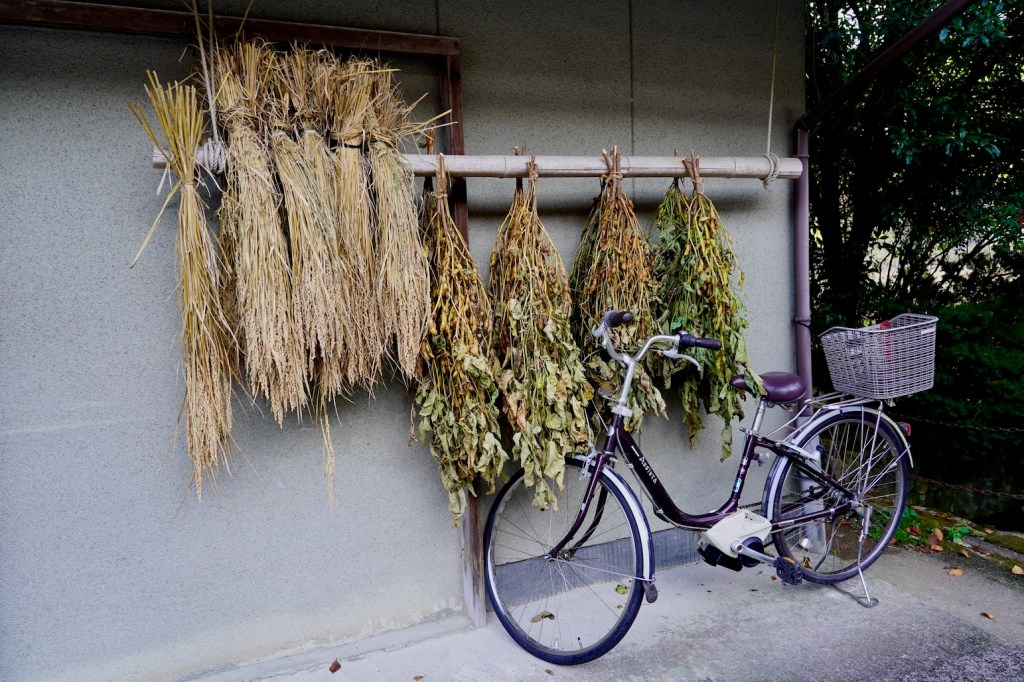
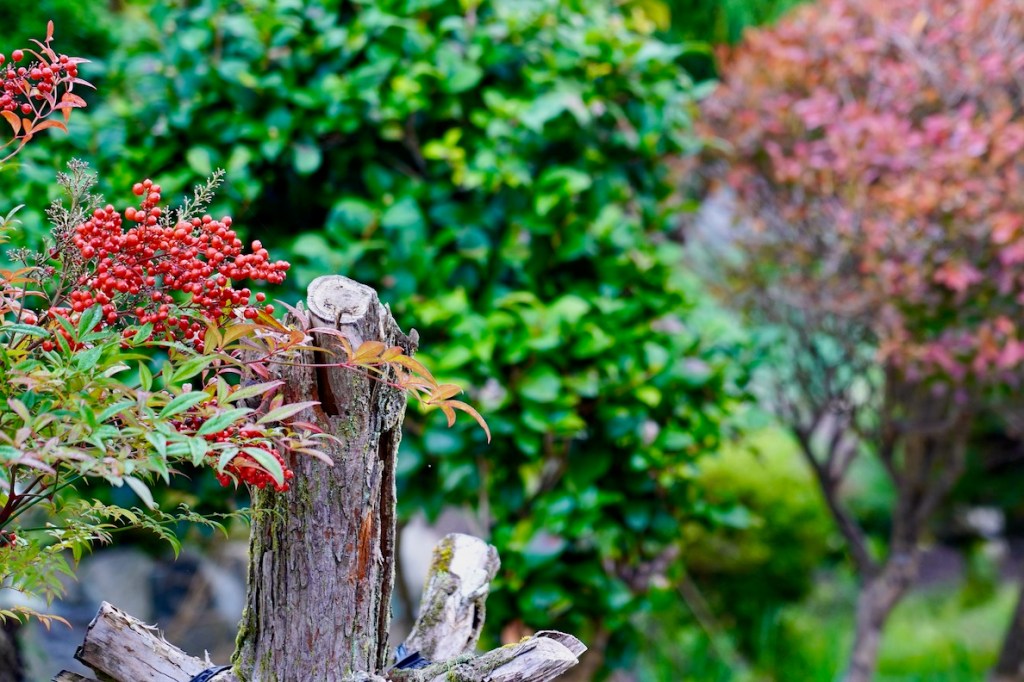
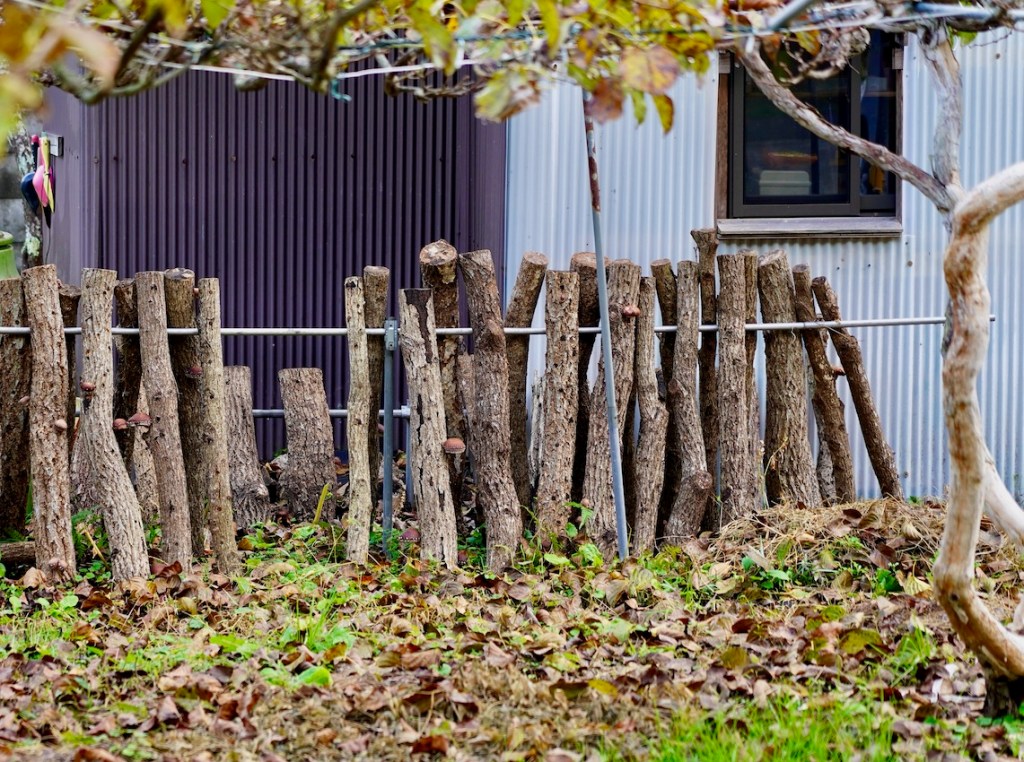
I noticed a lot of fruit and vegetables being dried as I walked around the village, ahead of a snowy winter. Onions, persimmons etc.
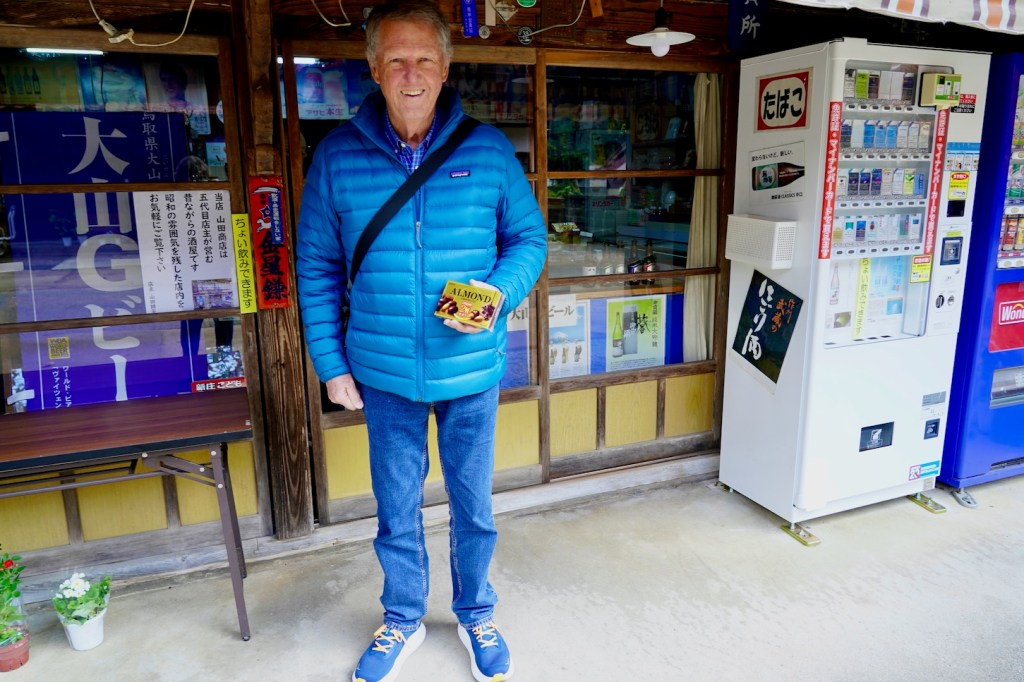
I did another roam through the village later in the day with MJ, spotting a small general store that was open. We spotted three men on chairs at the back of the store, chatting around an old stove fire. I wanted to look inside, so we did – buying chocolate as a reason for being there. I think if you want to take a look inside a grocery or supermarket, you should at least buy something.
I really like looking through stores in Japan, as it gives me a good appreciation of what is sold. I’m always delighted when I see grocery items I’m familiar with – such as a brand of Japanese curry that I buy at home. A few months after our visit back at home, we saw a programme on NHK TV World about the village, and the little store was featured. Apparently, it is where the villagers often gather to chat about village stuff! The hub of the village!
We had another nice encounter with a local woman on this walk. As she passed us, she said something in what I thought was a European language. Did we look European? We obviously looked puzzled, so she switched to excellent english. And she was delighted when we said we were from Western Australia, because she had visited as a young woman and her daughter had been too – or was planning to. I wasn’t clear on that bit. It turned out her father is a local farmer and supplies beef to the Inn for its meals. Her Dad’s beef was first class, and meeting locals like her in Japan is truely one of our greatest joys when we visit there.
The old village leads to a newer looking area, with a school, a park, and a few interesting buildings. The most prominent building we saw here apparently belongs to the Forestry Department!
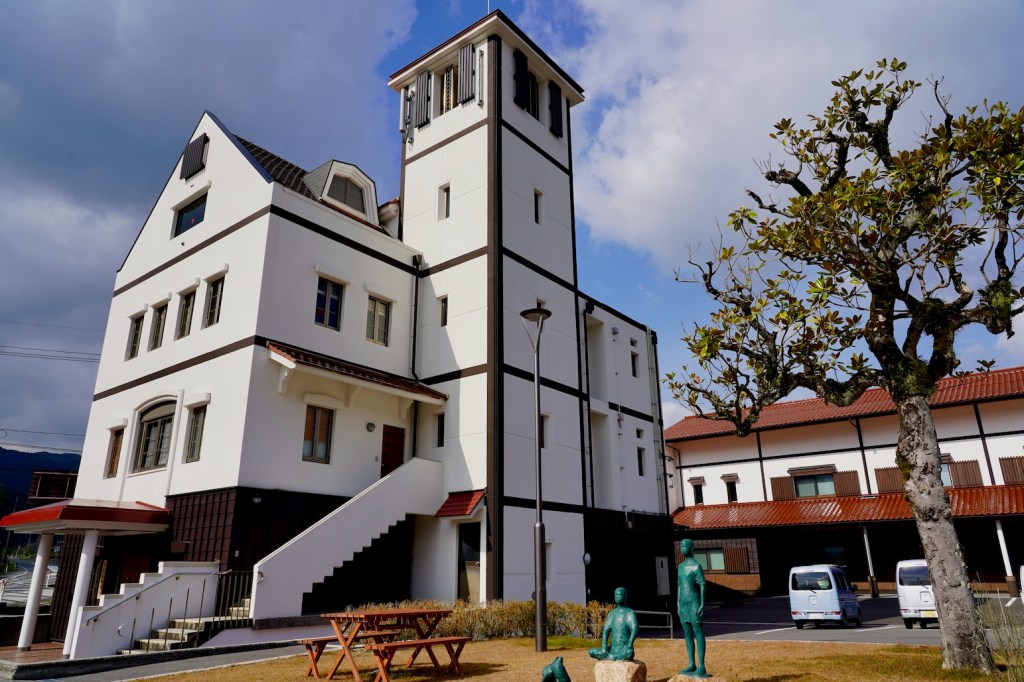
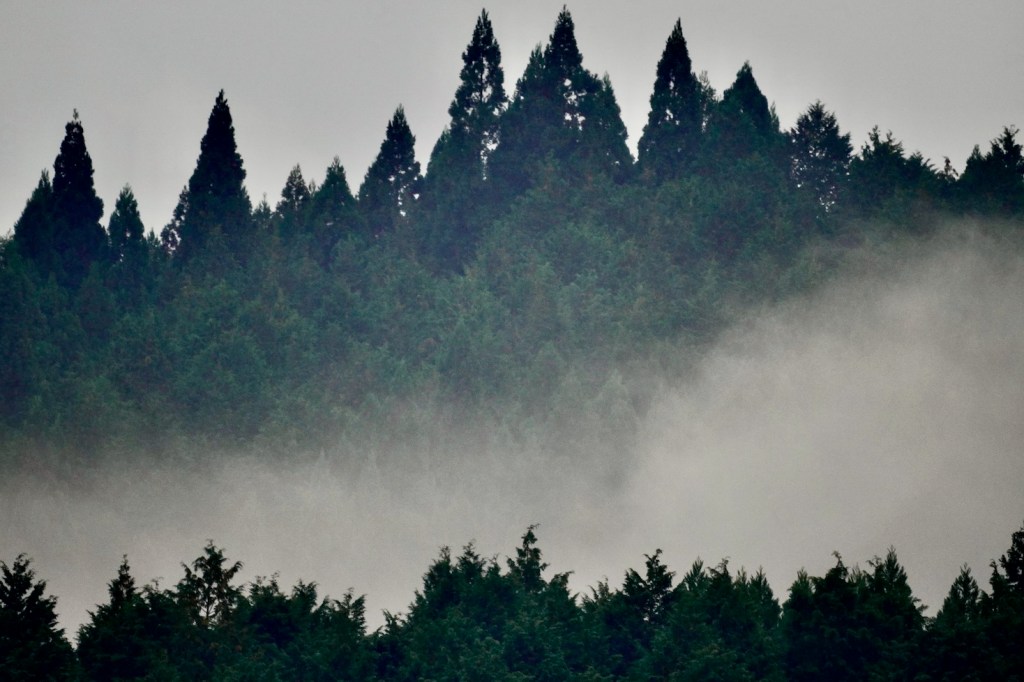
My regular readers know about my crappy knee, and sadly, it limited our exploration of the newer section. I believe there is a waterfall nearby that you can walk to. I’ll use my knee as an excuse as to why we didn’t do that – in reality, I just don’t want to run into a bear! Okayama prefecture has had quite a few sightings of late. I don’t know if there are bears near the village, but if I was a bear I would definitely choose to live in the beautiful countryside surrounding Shinjō!
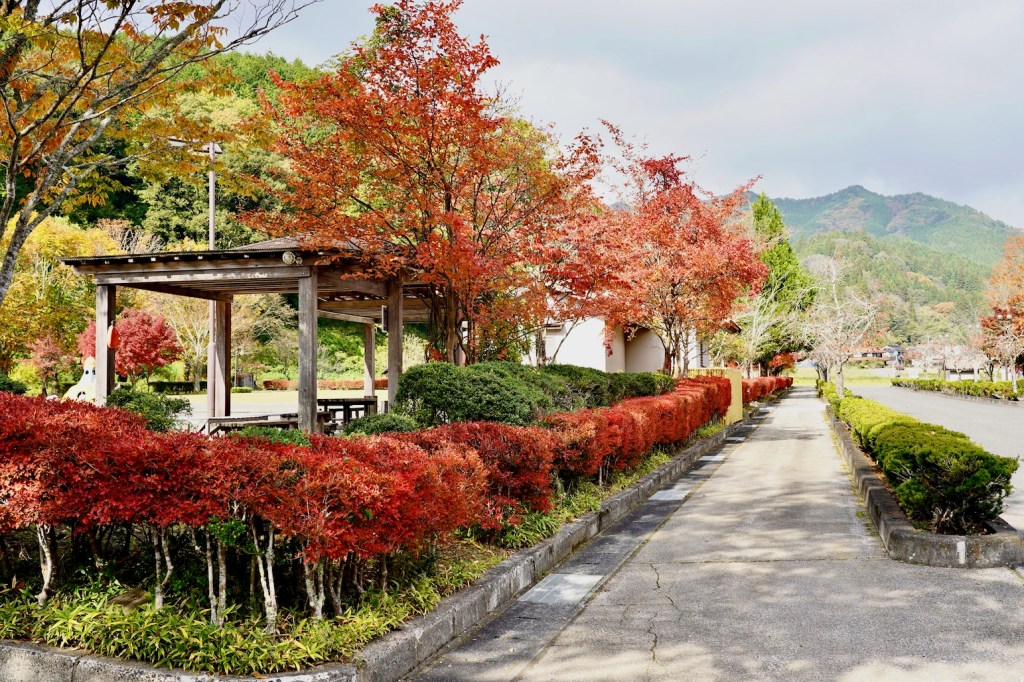
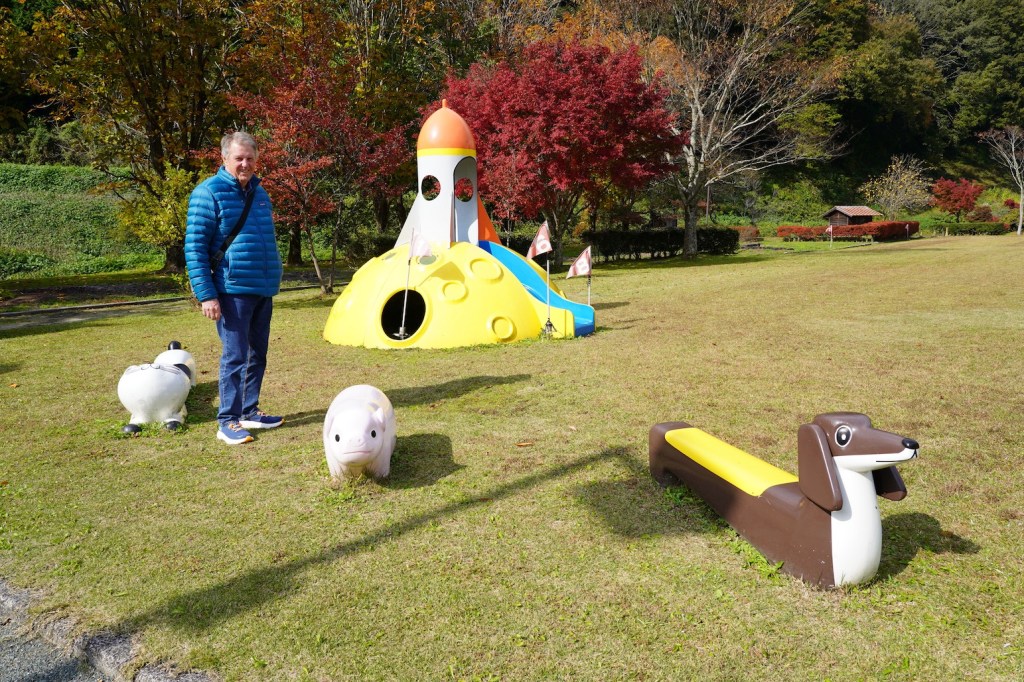
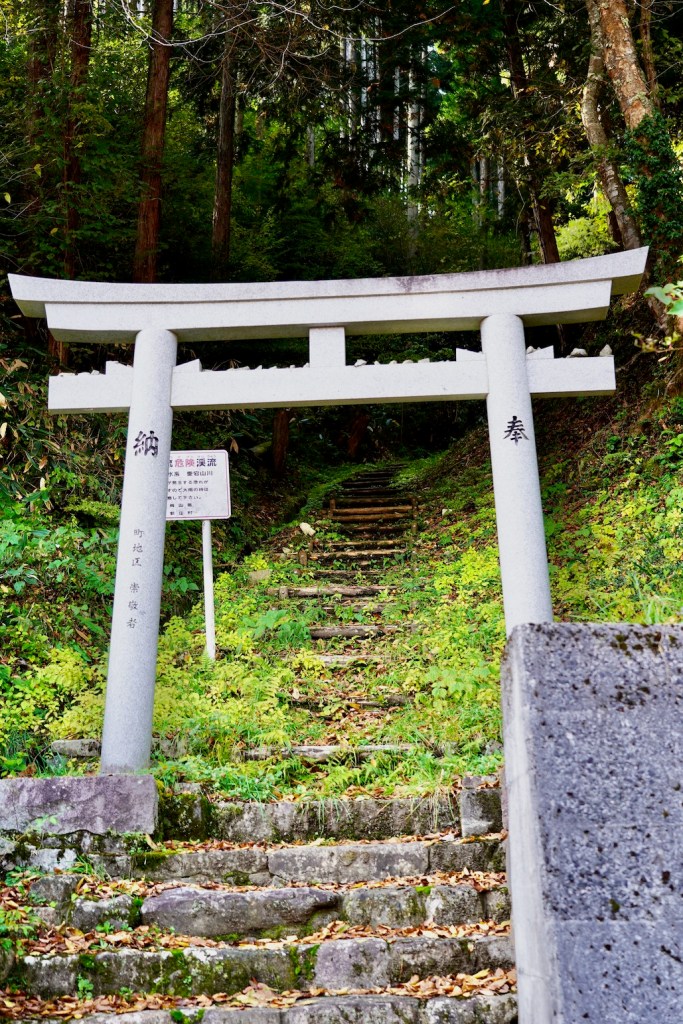
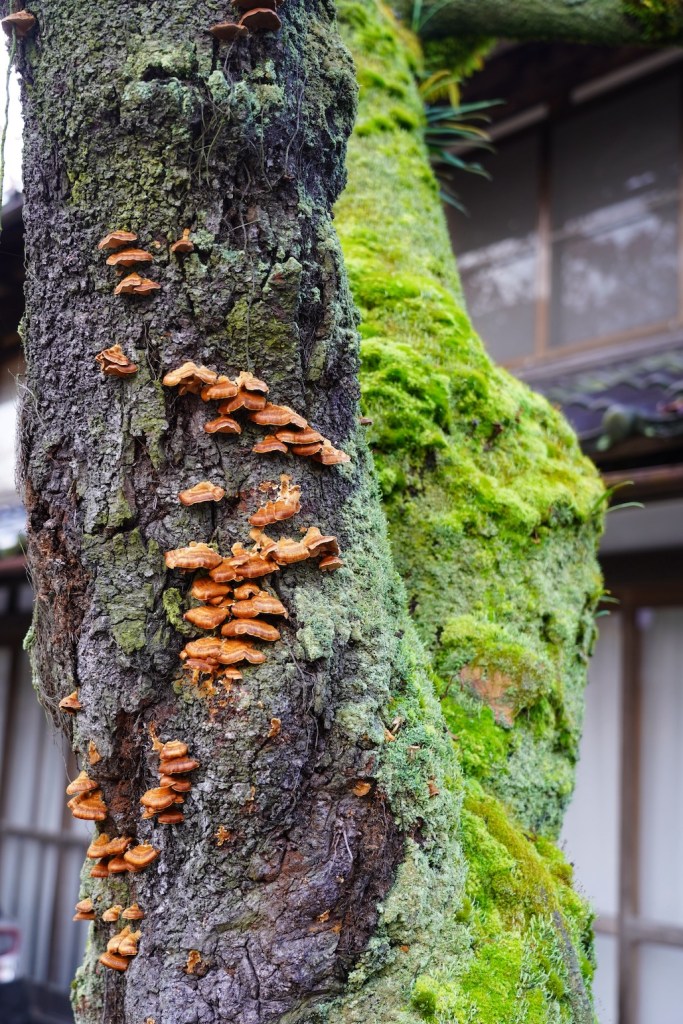
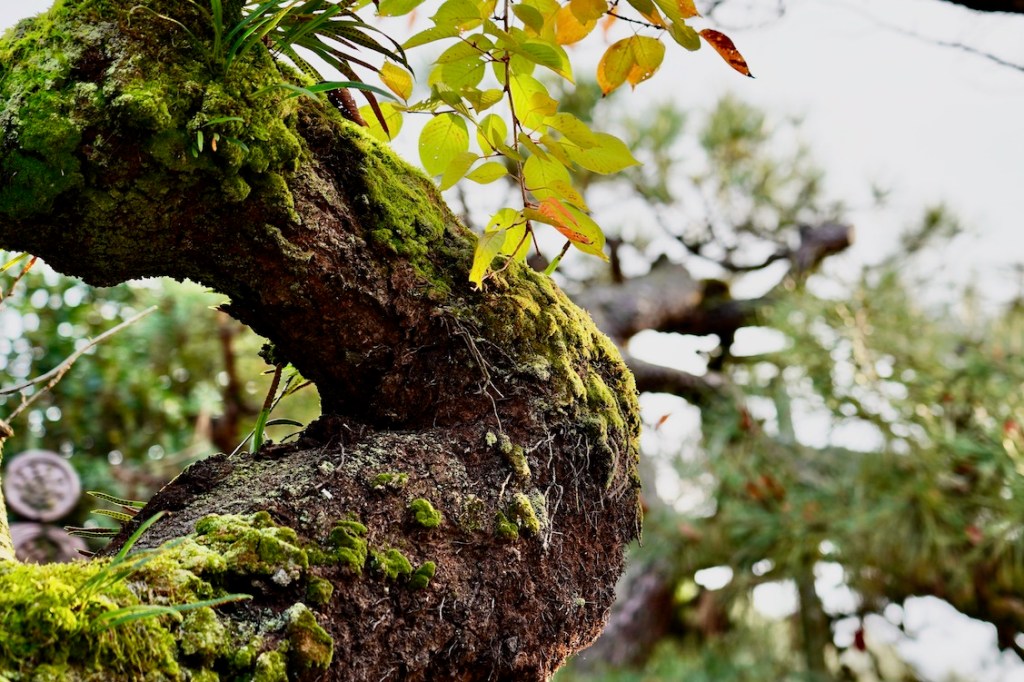
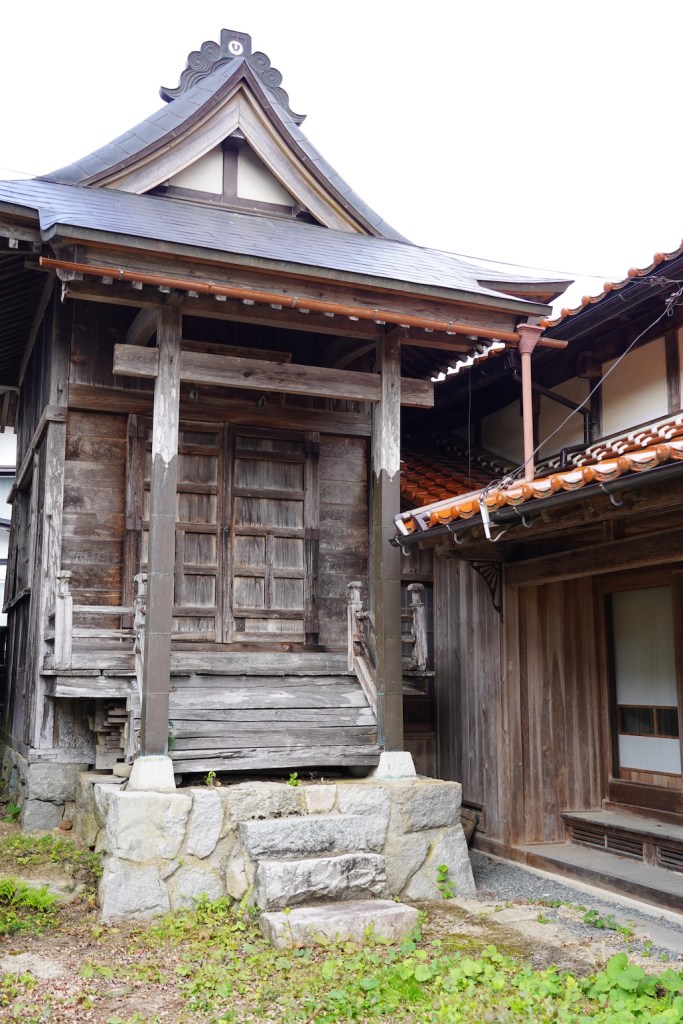
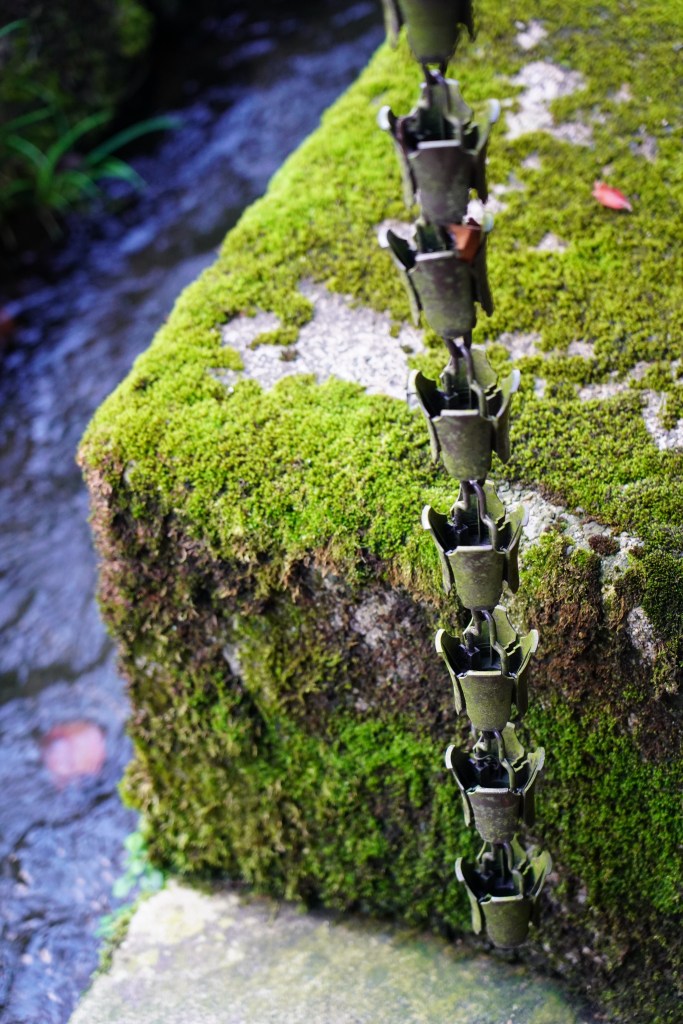
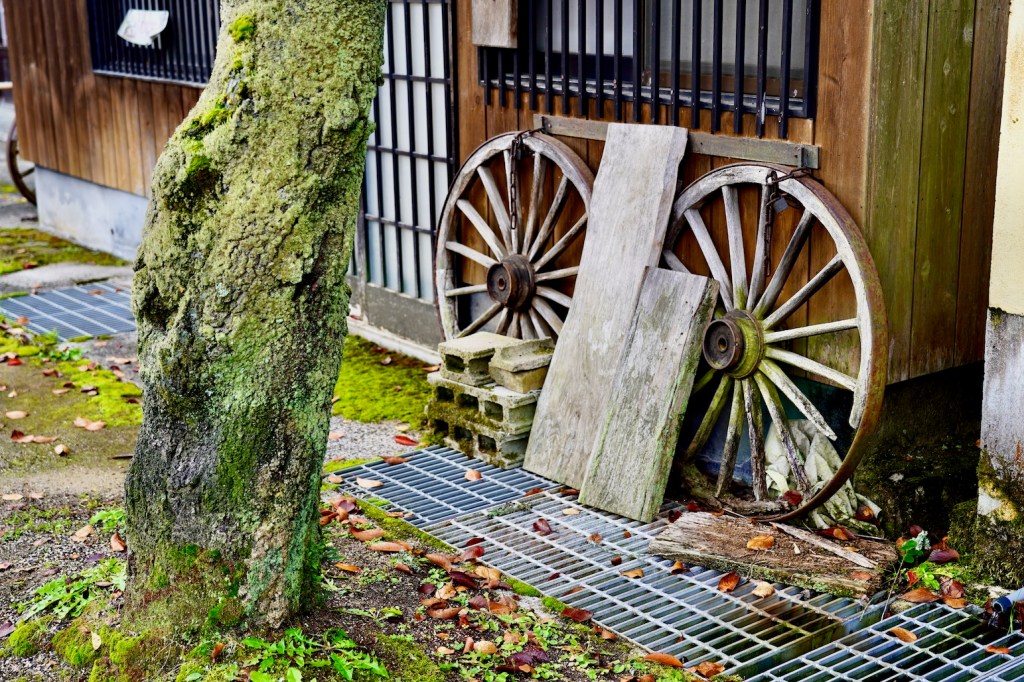
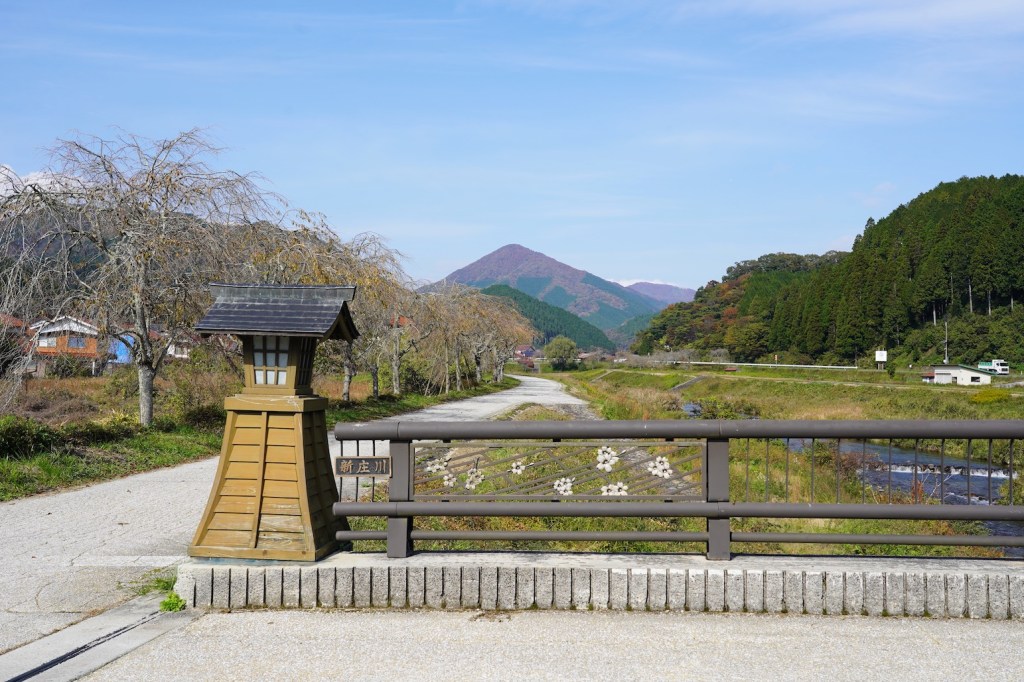
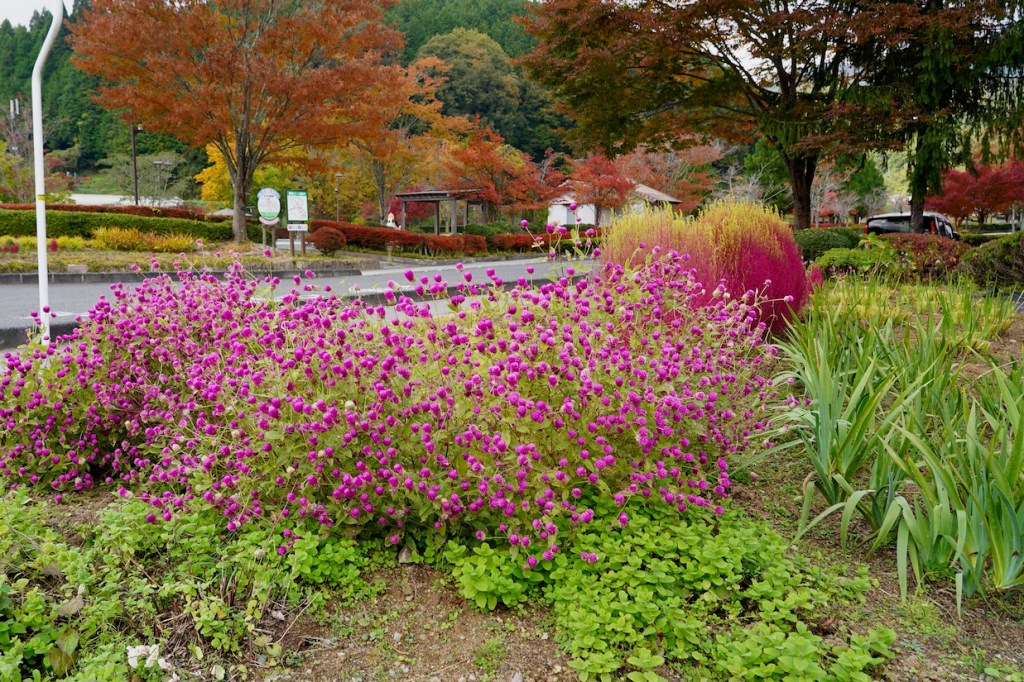
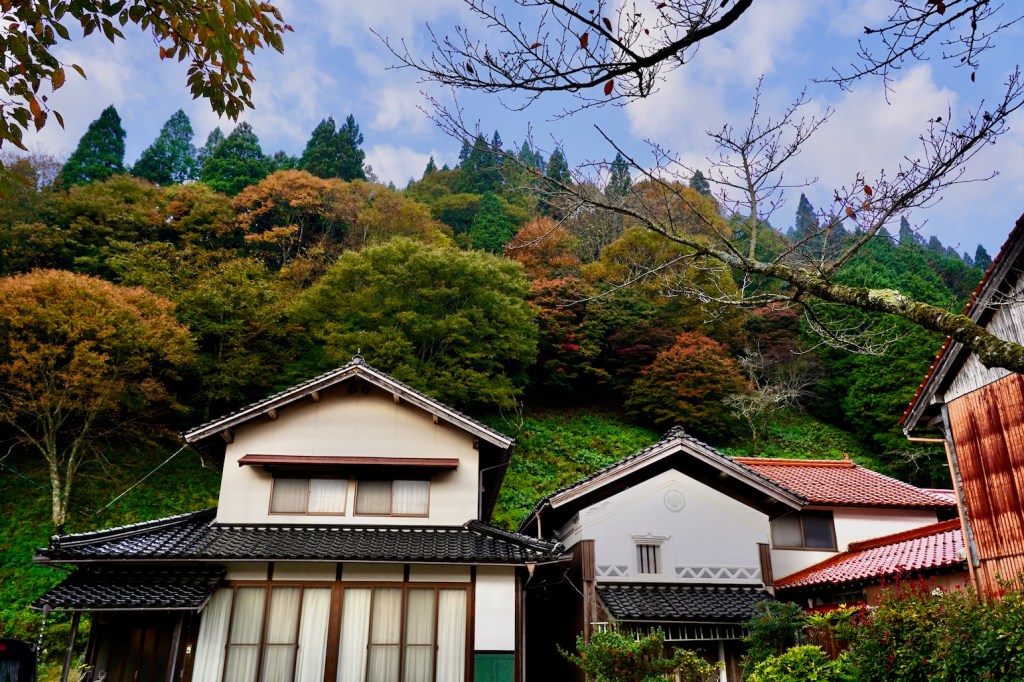
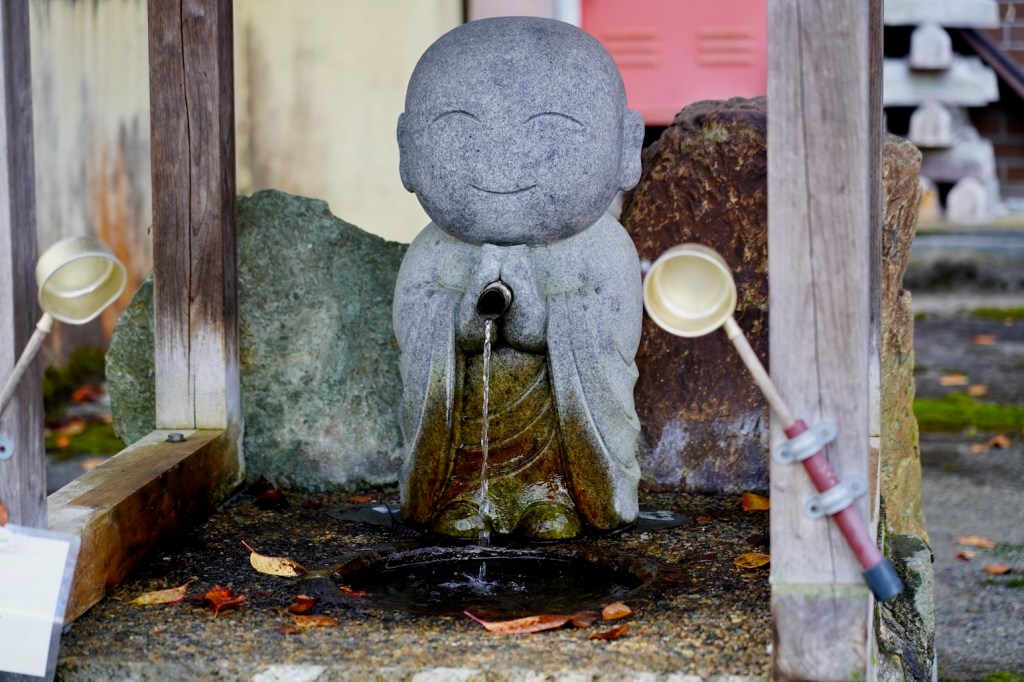
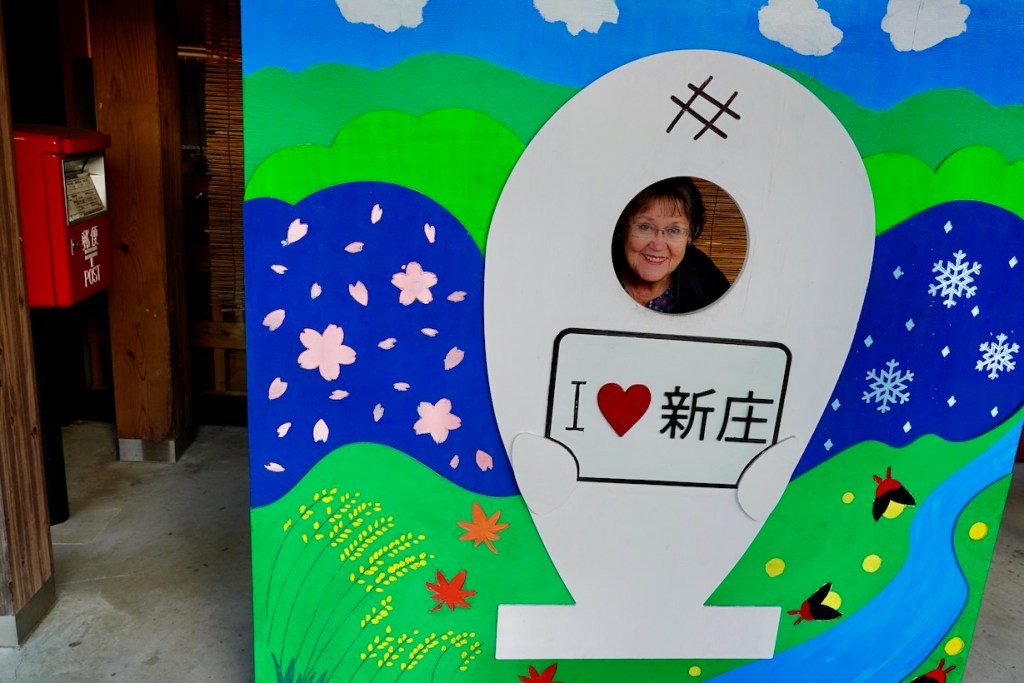
Shinjō is a member of ‘The most beautiful villages in Japan Association’, and a few years ago it won first place in the country! It definitely has won my vote!
https://www.ikyu.com/en-us/00081857/
https://www.instagram.com/sugaitei_shinjo
https://www.facebook.com/sugaishinjo
EMAIL FOR INQUIRIES AND BOOKINGS: yatsuchi@shinjo-son.jp
 Travelling Therese
Sounds like a very nice and relaxing place 😊
LikeLike
Very special…and delicious food.
LikeLiked by 1 person
Amazing food
LikeLike
Very relaxing – not for everyone, but we loved the tranquility of this very old village and the people there
LikeLike