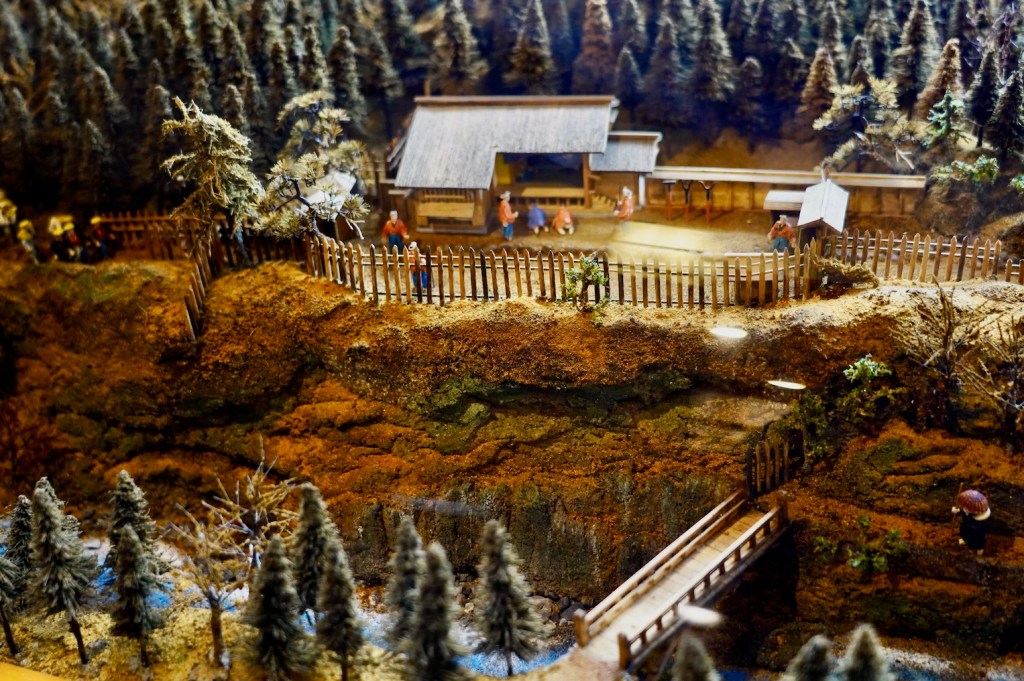
When I returned to Kiso Fukushima in Japan’s Kiso Valley in autumn last November, I did not expect to meet a direct descendent of one of the town’s most prominent Samurai families. It happened by accident after we sought out the original Samurai checkpoint station in the town, now restored as a checkpoint museum.
Samurai Lords were expected to regularly visit Edo (Tokyo), keeping them busy with no time to plot rebellions. Many would travel through the Kiso Valley in today’s Nagano prefecture via the Nakasendo trail. Along the way were post towns and Kiso-Fukushima was then the most important in the Kiso Valley. It was known as a wealthy centre of politics, economy and culture.
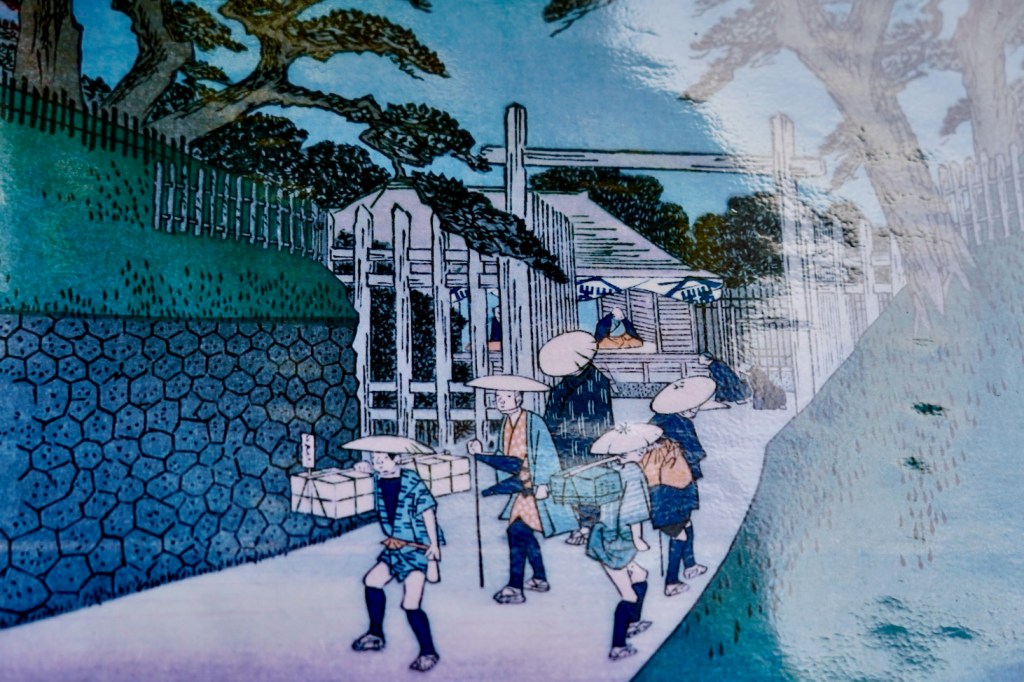
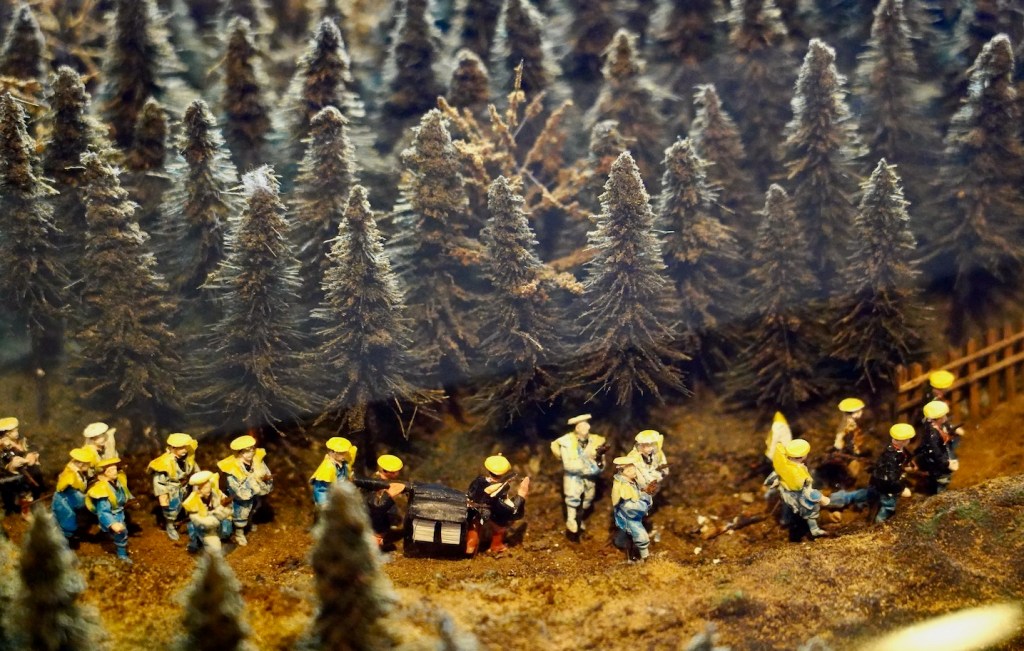
There is no clear record of how many people passed through the Kiso Fukushima check point. But feudal Lord processions including their vast entourage could number up to 3 thousand at a time. The procession of a famous Princess who married into theTokugawa family from Kyoto was formed by over twenty thousand people accompanying her and three thousand horses. It took about 10 days to go through the Kiso Fukushima checkpoint without a break. The procession was 30 kilometres long from end to end.
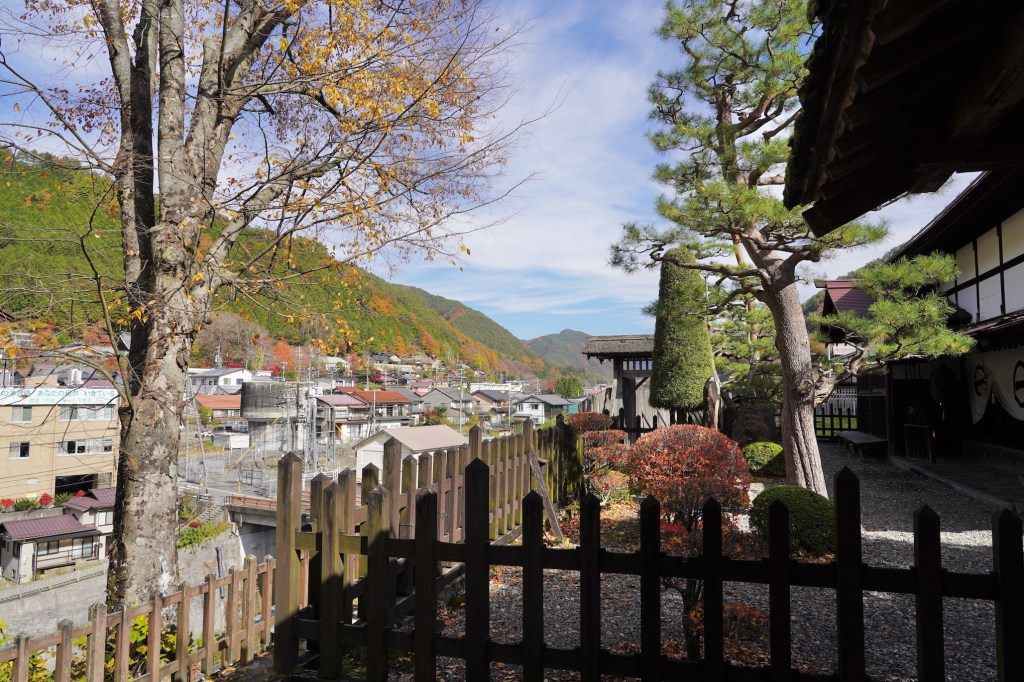
Today, Kiso-Fukushima hasn’t hit the tourist radar as much as post towns like Narai and Tsumago. Possibly, because you have to search out the old areas and attractions in the town within the more modern town environment. There is a welcoming tourist centre across the road from the railway station with free maps and advice. The photo below was taken mid morning!
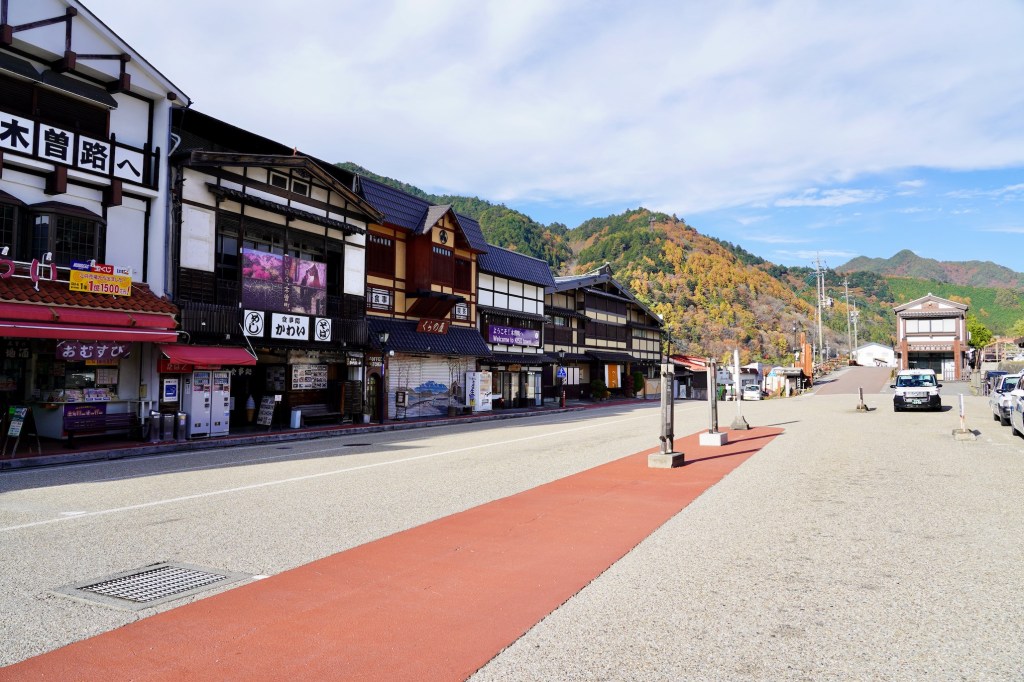
MJ and I first visited on a day trip from Matsumoto in 2024, seriously underestimating how much time to spend there, and missing out on some attractions. So we returned last November 2025 to explore more. In particular, we wanted to find the restored Samurai checkpoint, that is open to the public. We walked along many winding back paths and up lot of hills in search of it! I’m sure there is a faster route than we took to get there from the train station – maybe not.
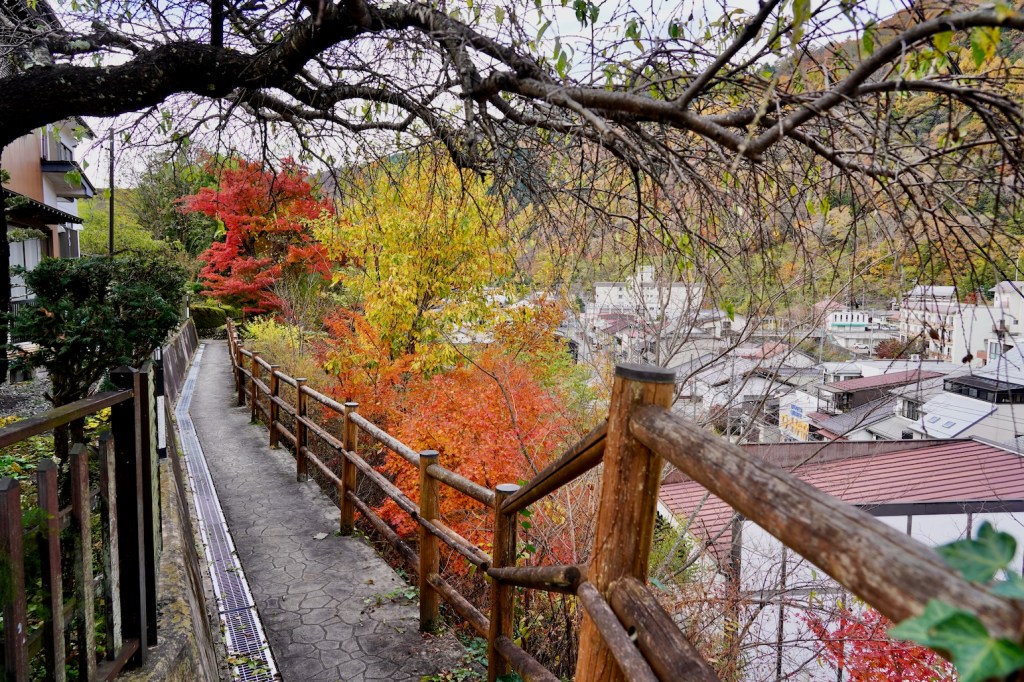
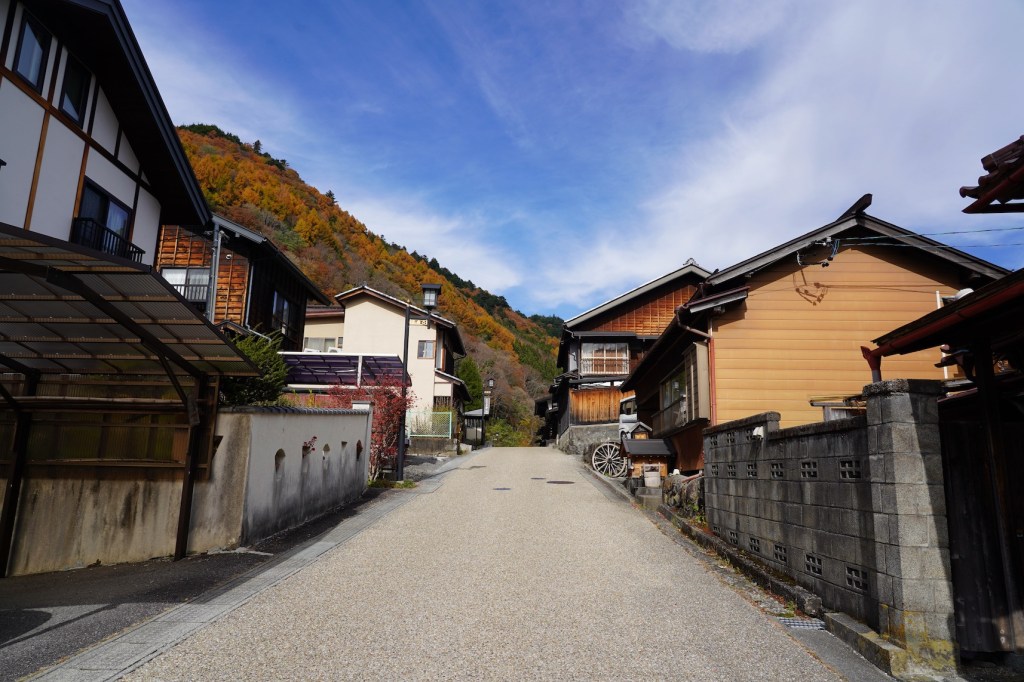
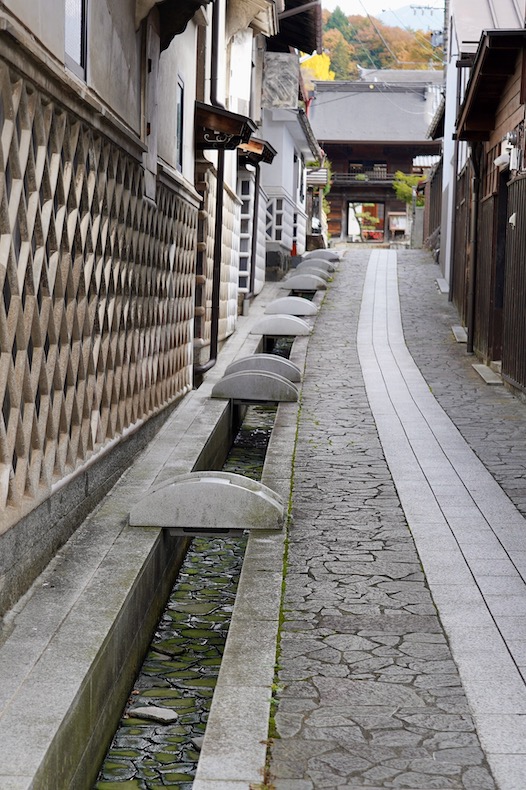
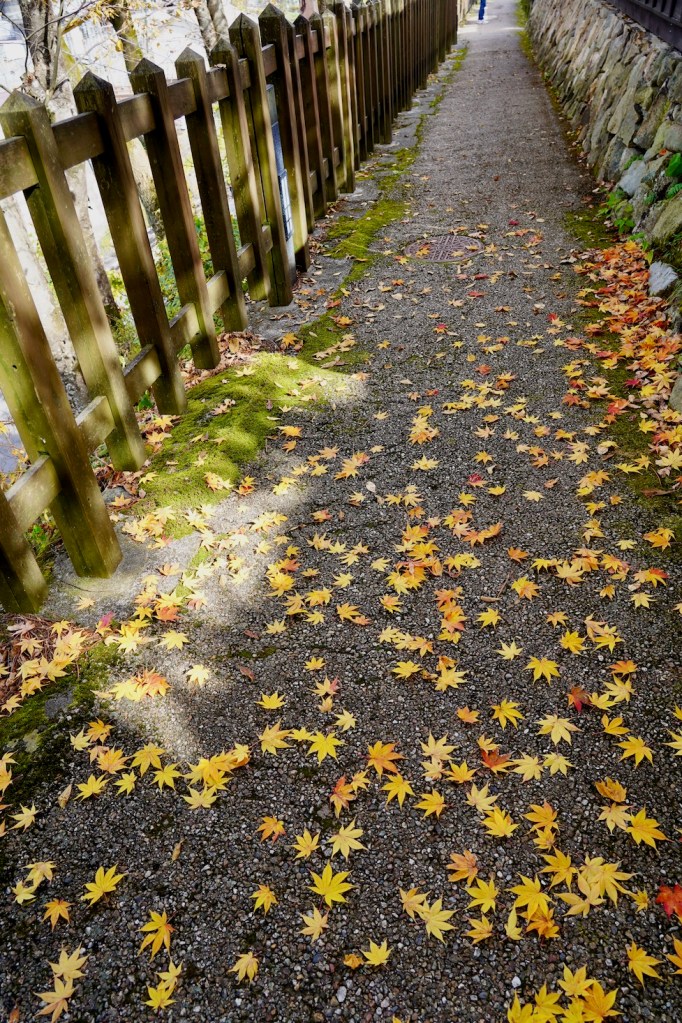
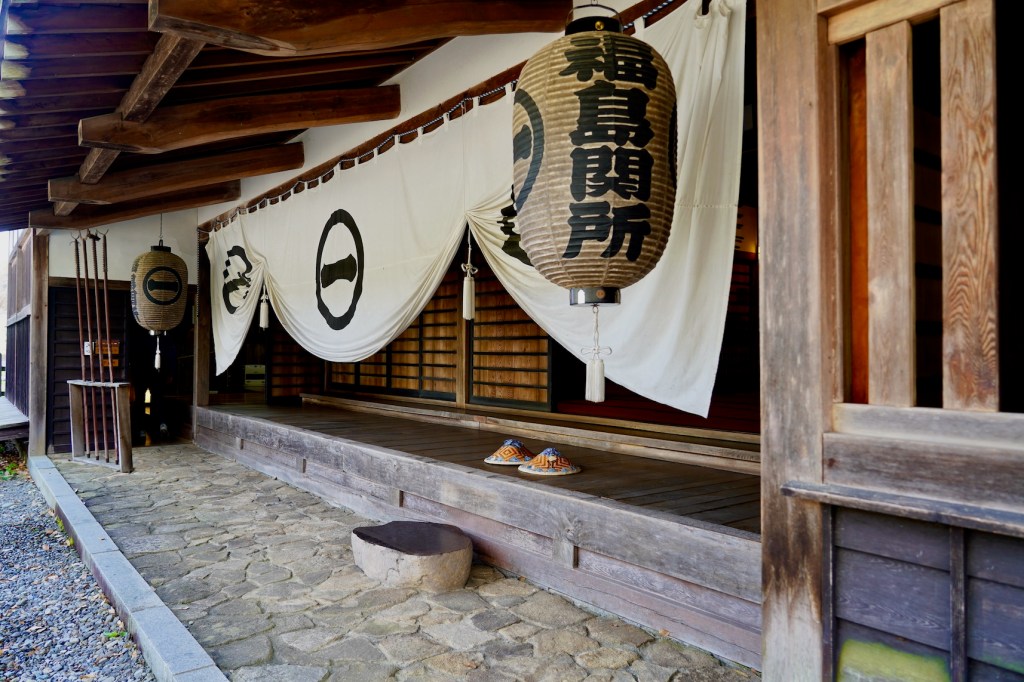
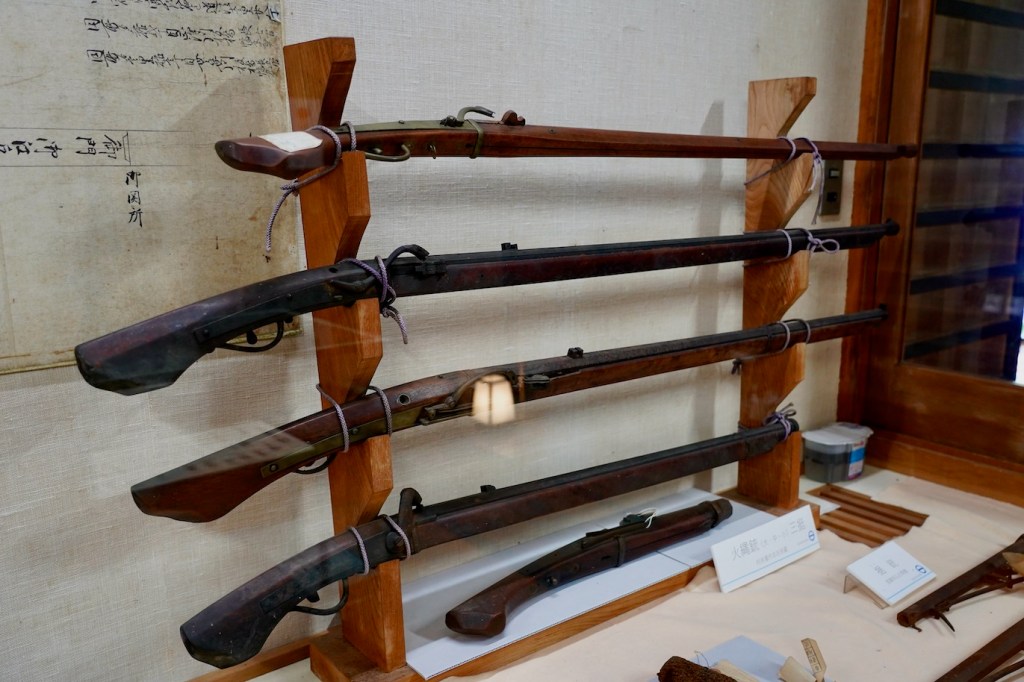
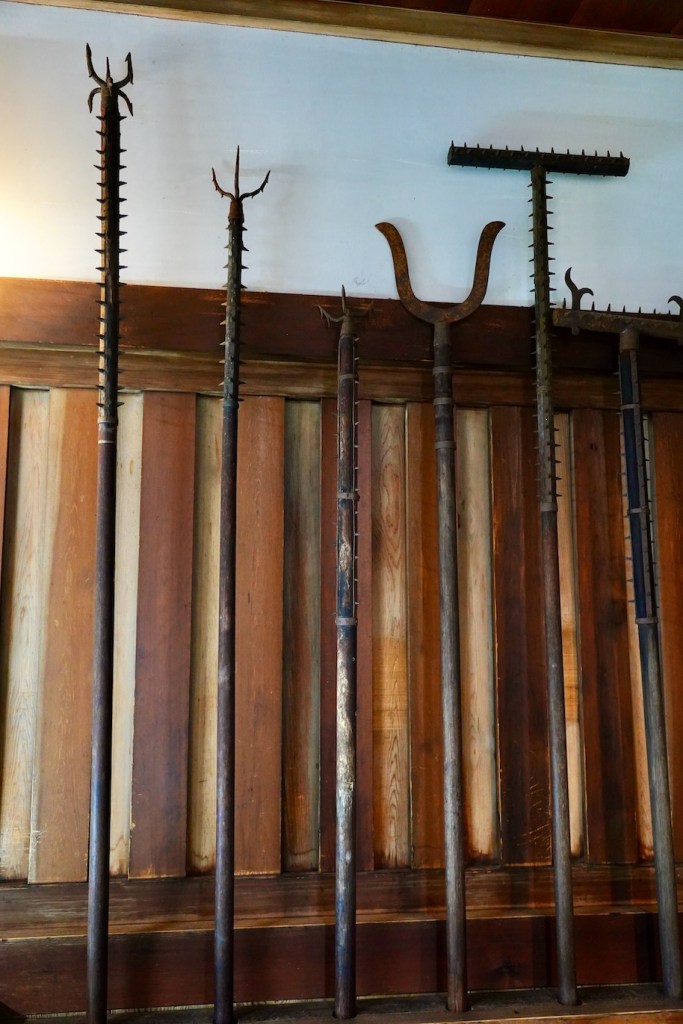
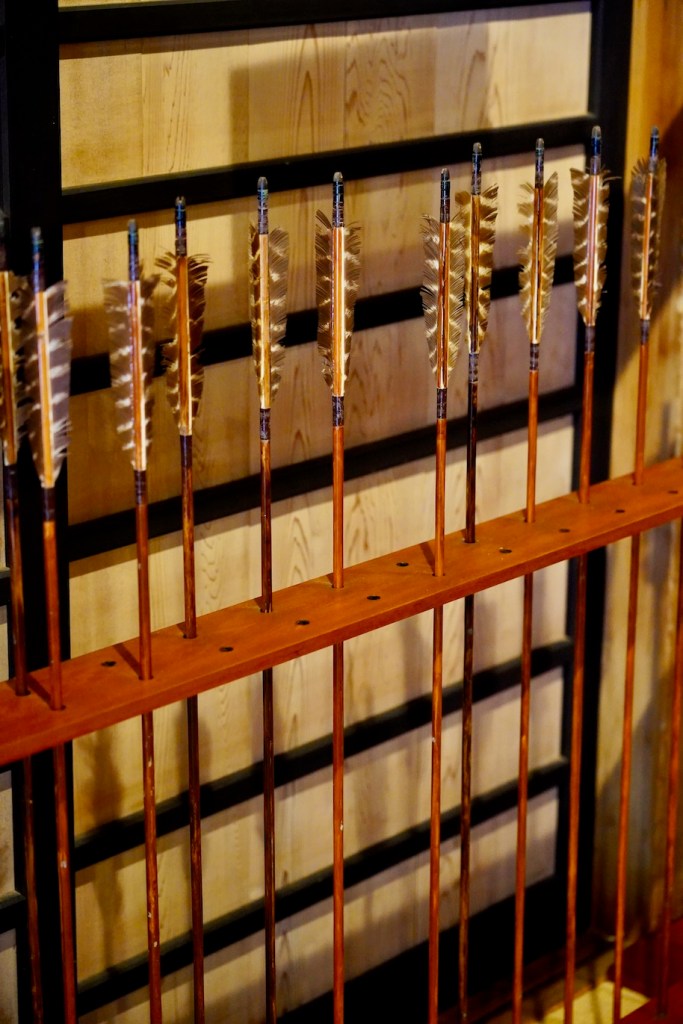
It was an interesting amble, and when we reached the checkpoint, we found it had a little ticket office where we bought tickets to access it. Inside were plenty of exhibits and information about the checkpoint, samurai times in the Kiso Valley and Samurai weapons.
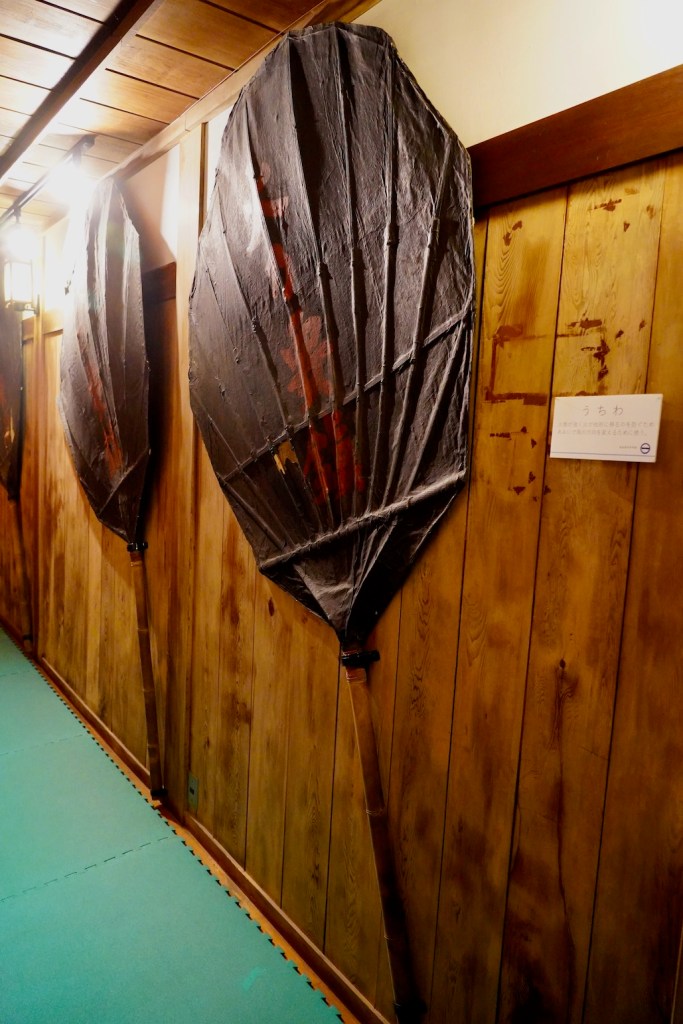
I passed huge fans on a wall that I thought must have been to keep wealthy samurai cool in summers. Got that wrong! It was Samurai fire fighting equipment to fan away blazes!
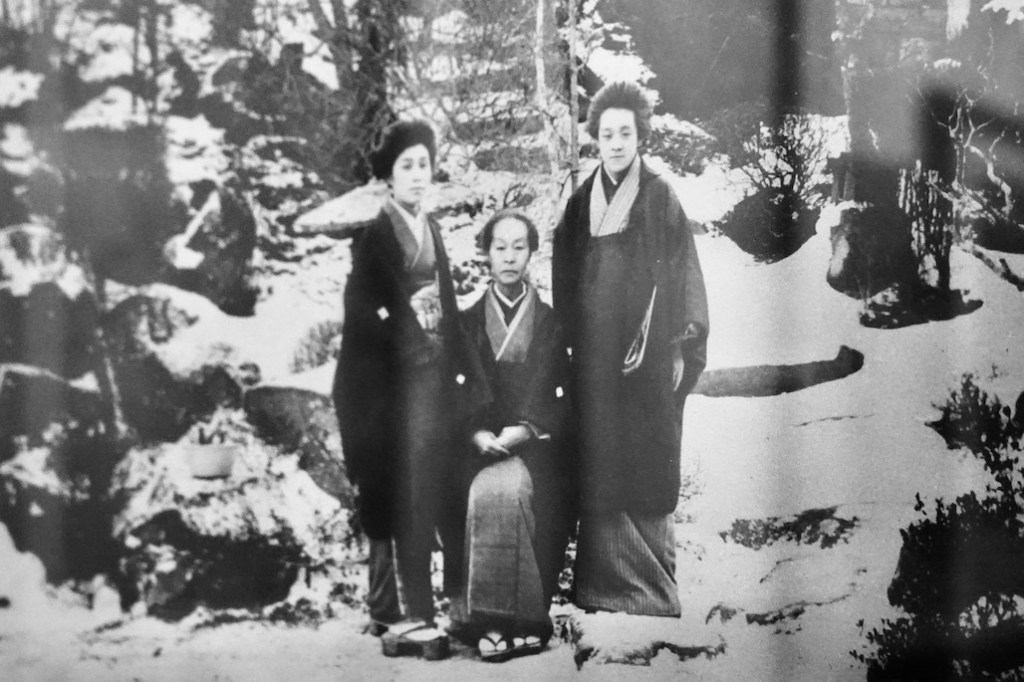
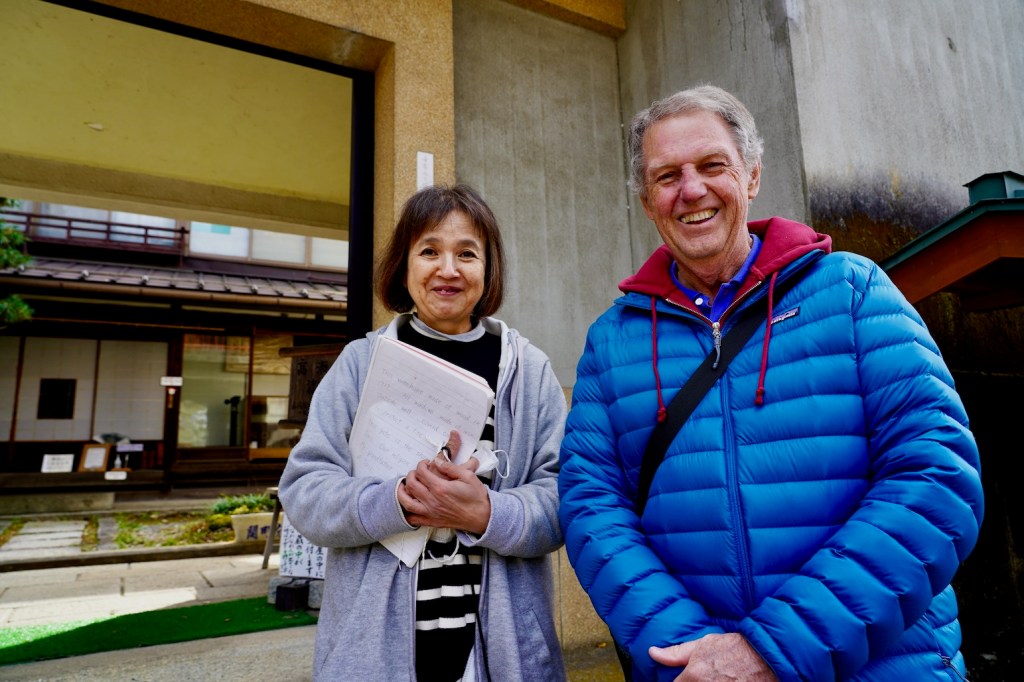
A few doors along from the checkpoint we noticed a private museum in what appeared to be a fairly unattractive concrete building. We weren’t quite sure what it was about, but we decided to go into the front courtyard. Across on the other side of the courtyard, we could see a typical Japanese wooden home. Mystery packages are sometimes the best! What we had walked into was the original Samurai home of a leading Samurai family in Kiso Fukushima – and Kaoru Kumagai, the woman who came out into the front courtyard to greet us, is a direct descendant. These are the wonderful personal encounters that I treasure the most in Japan.
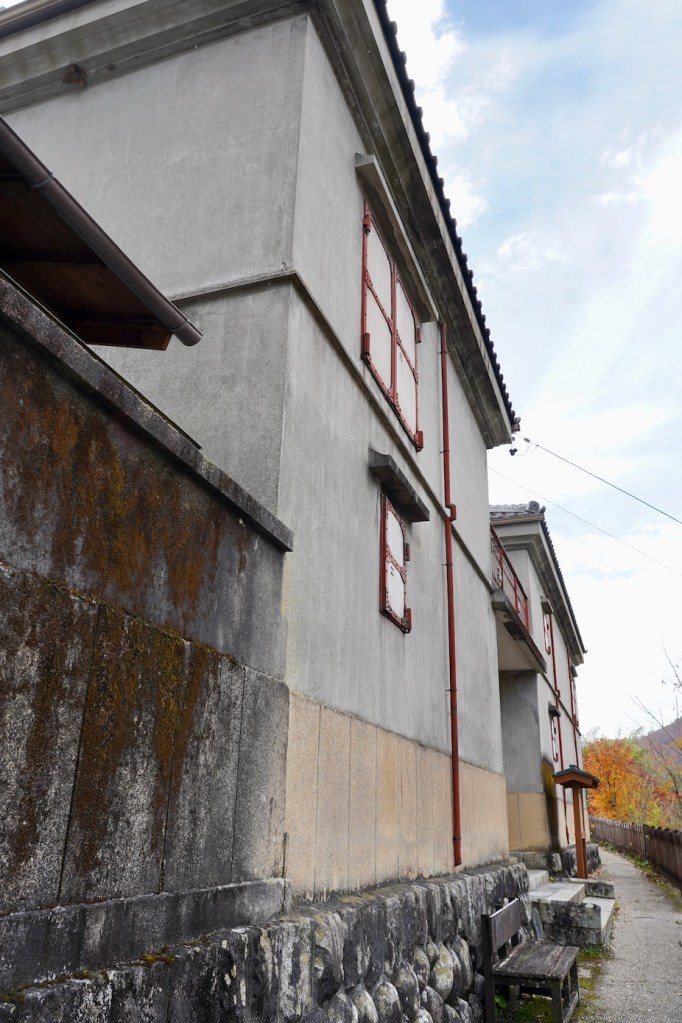
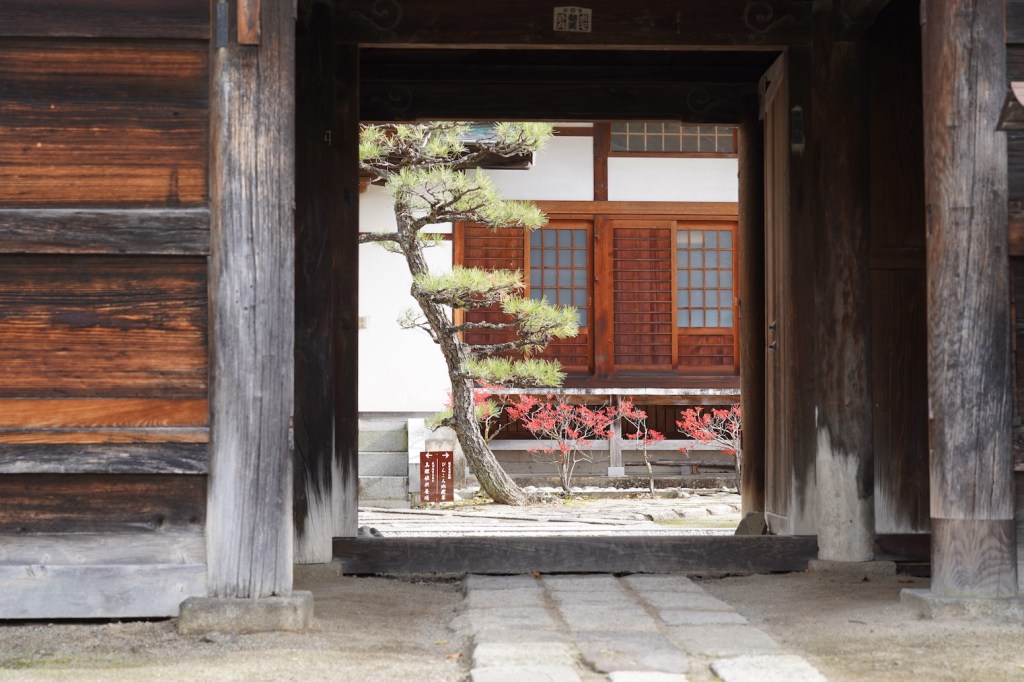
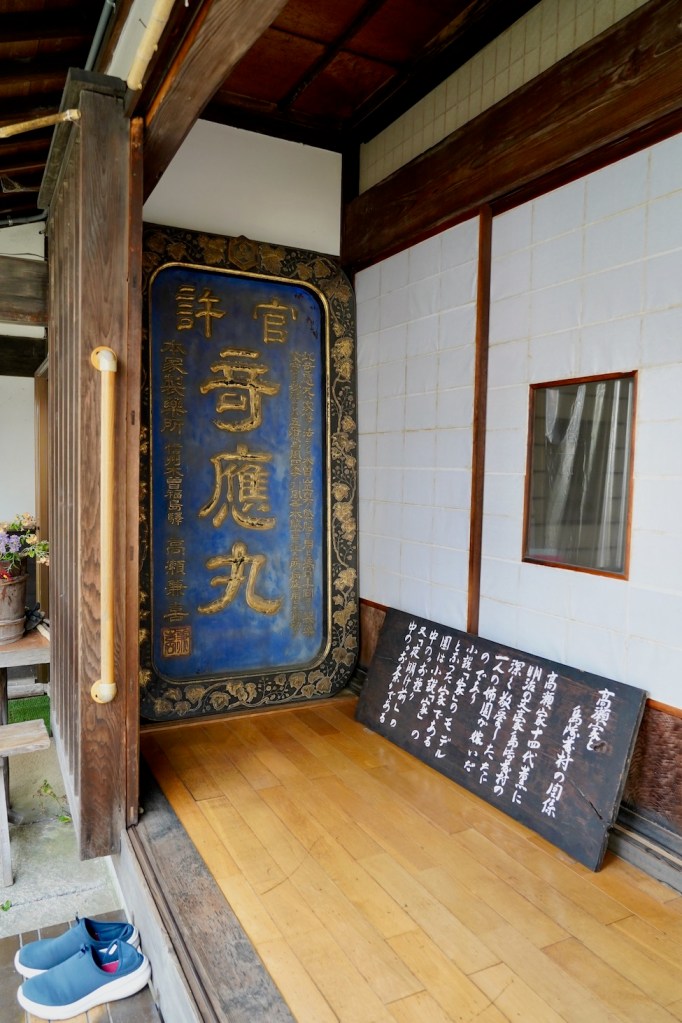
The Takase family served the Yamamura samurai clan for 18 generations and perhaps unusually for a Samurai family, they operated a thriving medicine/pharmacy business from 1680. It lasted well into modern times, closing in 1953 – a year after I was born! Family members were retainers of the local governor, Yamamura, and during the Edo period also served as checkpoint guards, mentors in gunnery, traditional Japanese archery, accounting and as personal attendants. One gets the impression that the Takase family were survivors! By coincidence, one of my dear friends in Kyoto is a Takase – a relative? I must ask her. You never know!
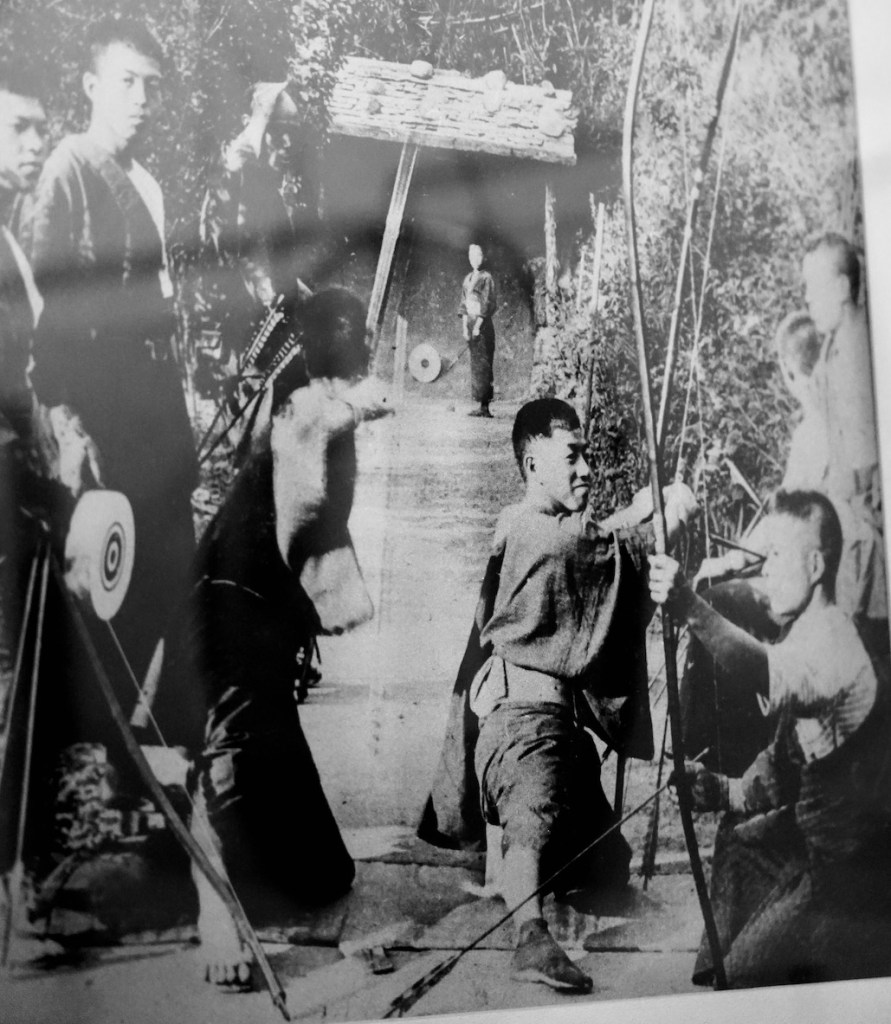
The Takase family became famous in Japan after the older sister of the Japanese literary great Toson Shimazaki married one of their sons, moving to the Kiso Fukushima home. Regarded as one of the best novelists in Japan in the 20th century, he was born in nearby Magome, that’s also on the Nakasendo trail. He would often visit the Takase family, and they became the model for his famous novel “A Family”.
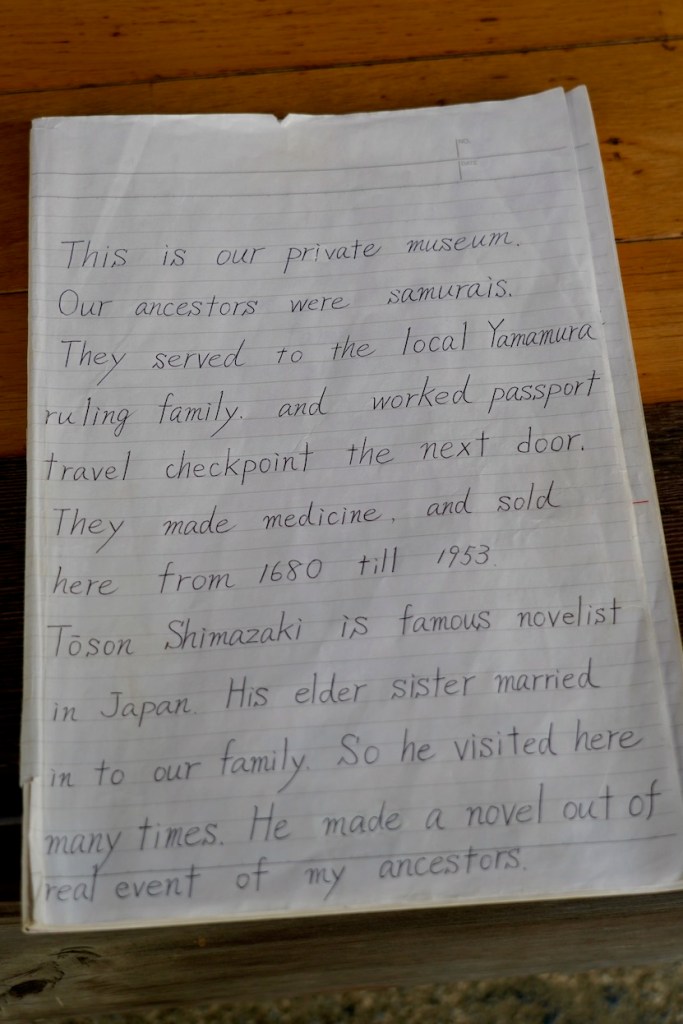
The Takase property was substantially reduced after some of their extensive garden was acquired for the nearby railway. You can’t go into the family house – Kaoru Kumagai still lives in the home. But for a tiny fee – 200 yen each (under $2 Australian dollars) – she guides you on a very good personal tour of the very excellent family museum, professionally set up in the concrete building – it was actually built with wood and surfaced with concrete for fire protection. It used to be the family storehouse, built back in 1929. Kaoru san speaks little english, but is ready for english speaking visitors with excellent story boards.
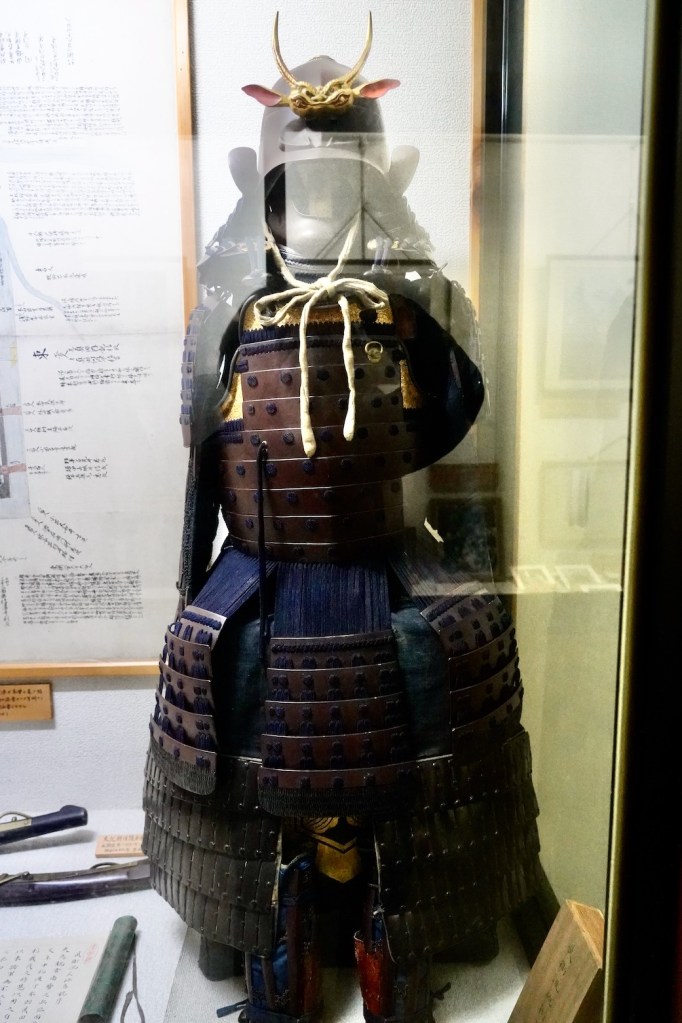
The double storied museum is a treasure trove of family artefacts, photos, letters and possessions gathered over the decades. There is even a Samurai suit of armour. I gathered that the owner had died in the mountains – at war? I did ask, but something was lost in translation.
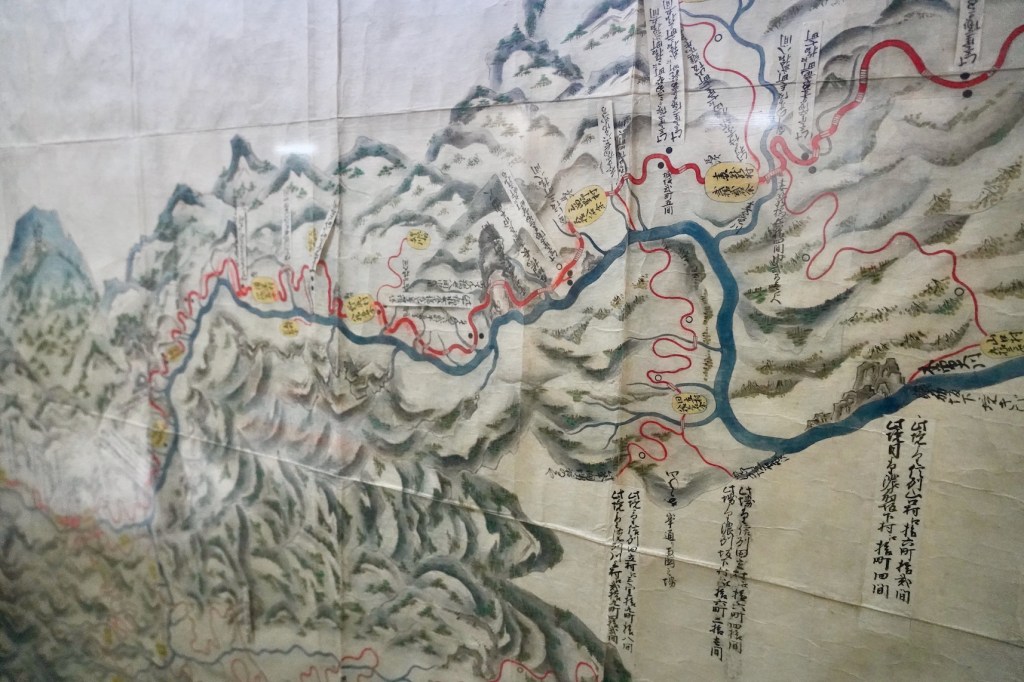
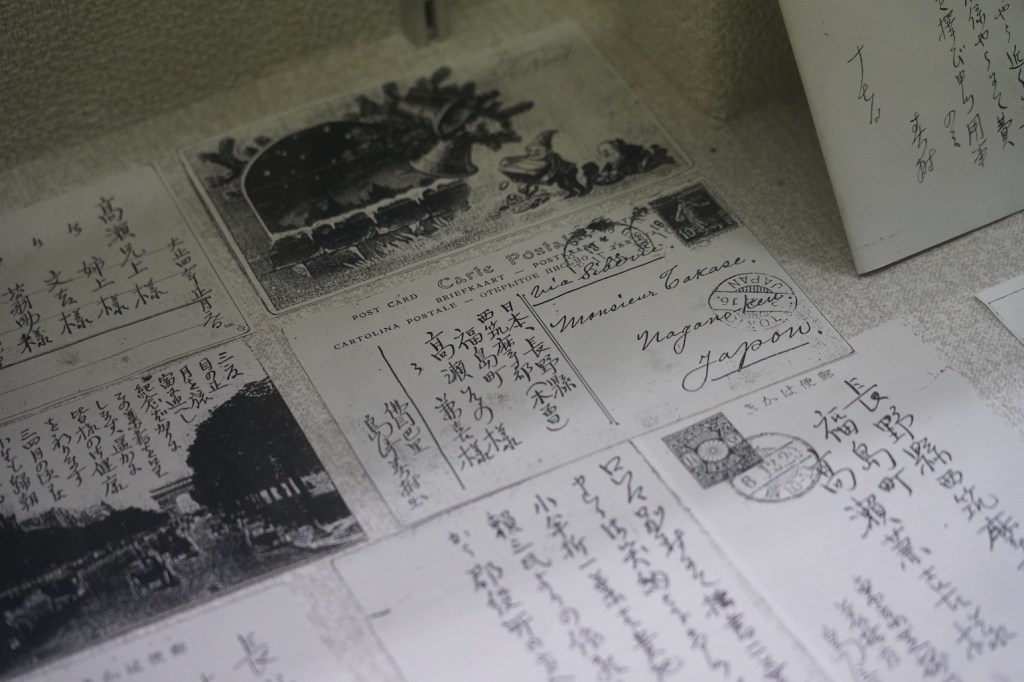
I was particularly drawn to letters/postcards sent from a family member visiting Paris! Also interesting were stunning ancient original picture Edo era maps of the Kiso road/Nakasendo trail – some of which I have hiked along on a previous Japan trip.
We came across other treasures wandering around Kiso Fukushima, particularly in the old town area known as the Ue-no-dan. Most memorable was a beautiful small temple with a gorgeous garden. And no one there! I thought briefly of the temples in Kyoto, crowded with people. Here we had one just to ourselves – and it was lovely! We knew nothing about the small temple when we saw it – but afterwards using google translate on signs in my photos, I was able to identify it as Daitsuji Temple known for its traditional gate, quiet atmosphere, and views of the Kiso Valley and the majestic Mt. Ontake. It certainly offered a peaceful glimpse into Edo-period architecture and is a key cultural site along the Nakasendo.
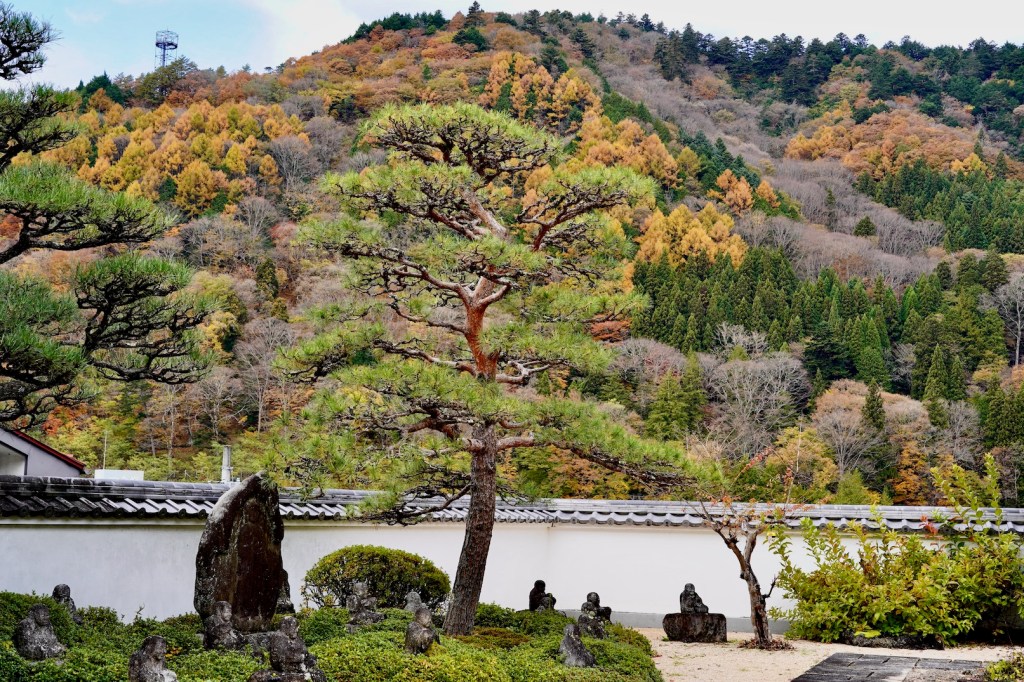
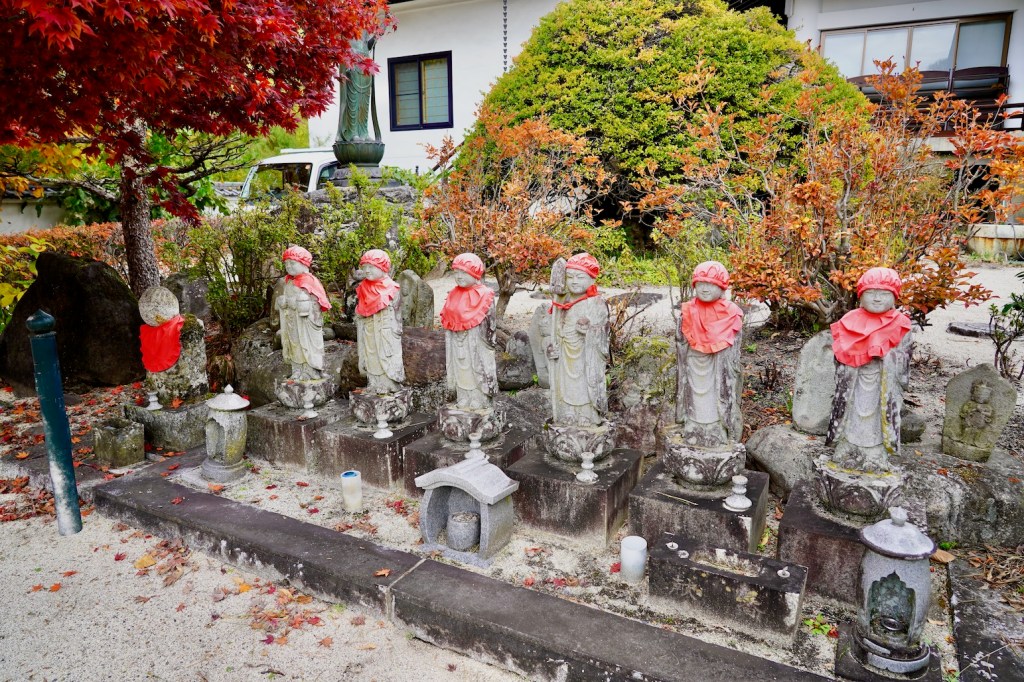
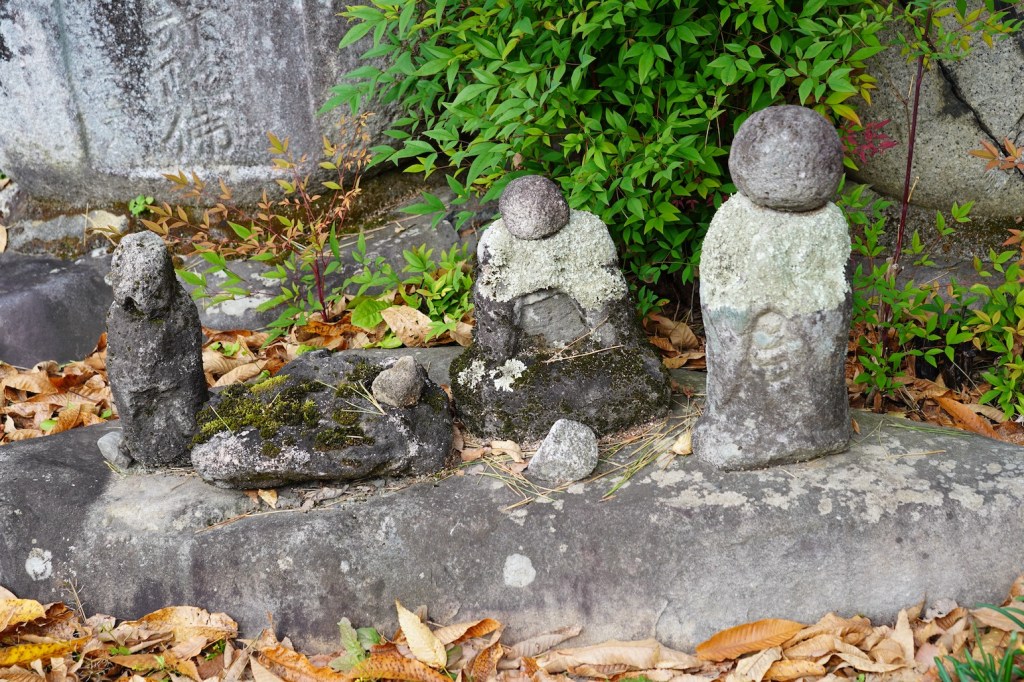
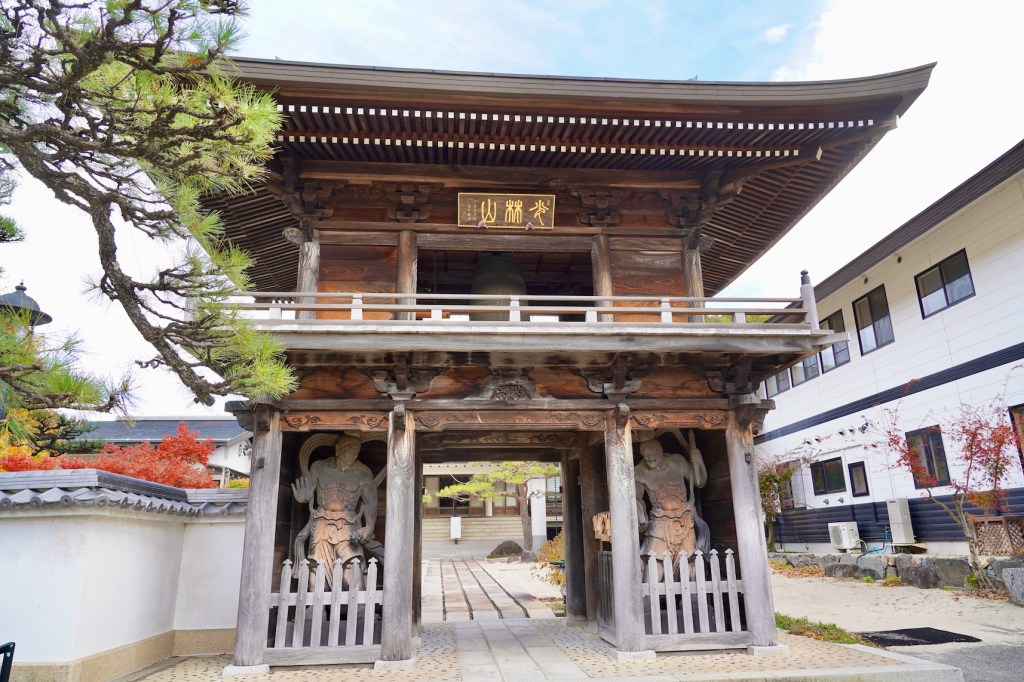
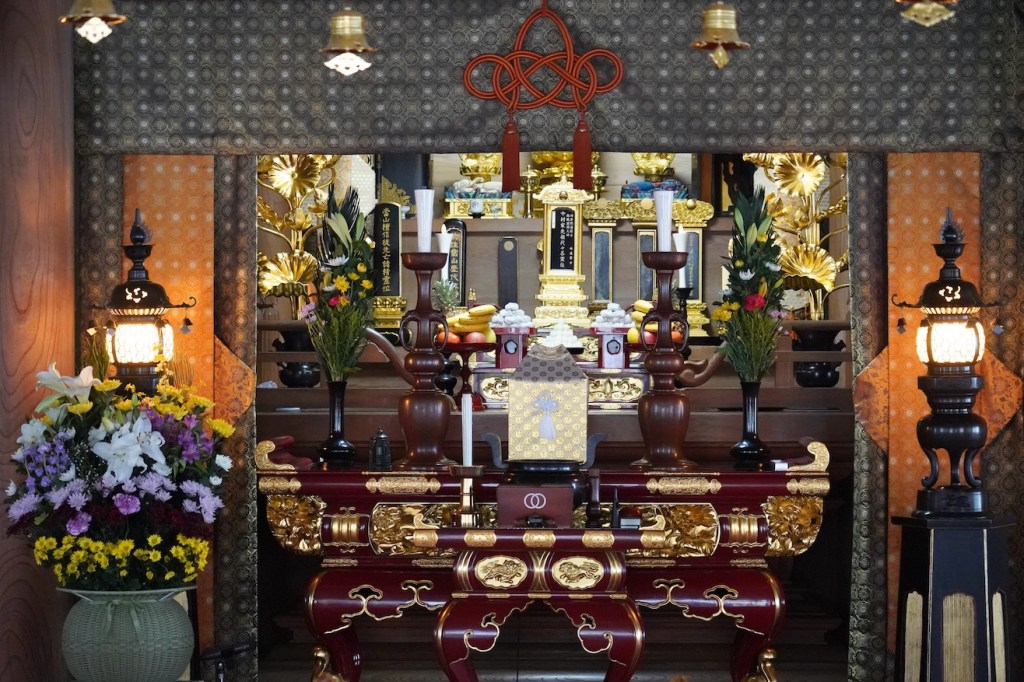
Researching after our visit, I found that the temple dates back to the Heian period – 794 to 1185 – well before the Samurai period. Its current structures date to the early 1600’s. I retain fond memories of the peace and tranquility there. Daitsuji shouldn’t be confused with the town’s main Kozenji Temple – famous for having one of the largest dry landscape (Zen) rock gardens in Japan. My walking limits with my compromised knee meant we didn’t see Kozenji. Nor did we get to see another of the town’s famous attractions – the Yamamura Residence, the former home of the magistrates who governed the region for over 270 years. Unfortunately, steps too far for me that day.
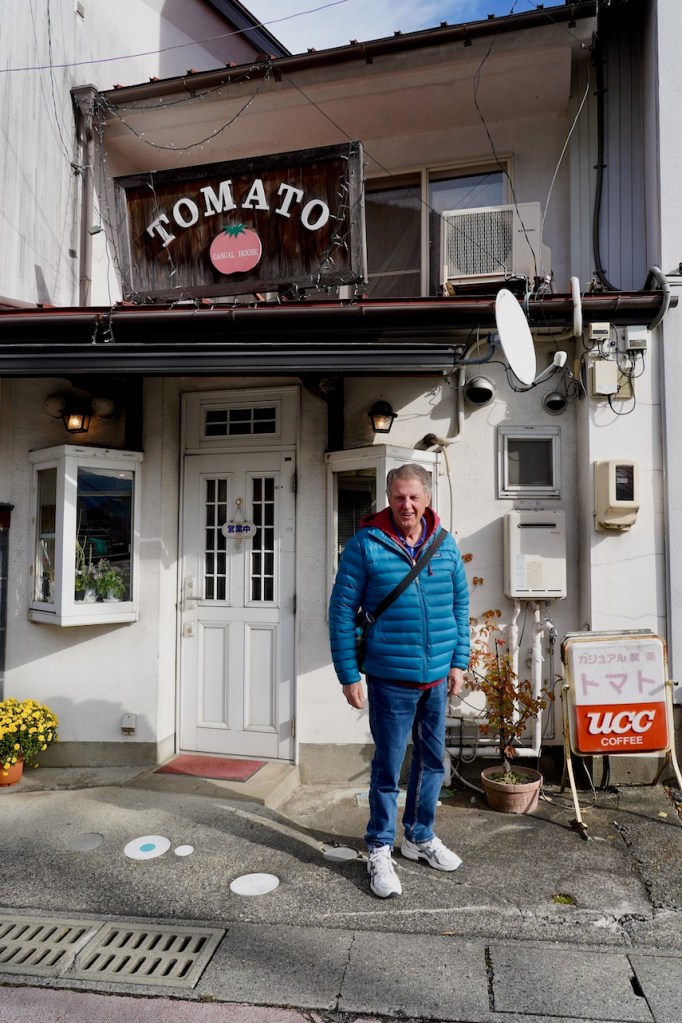
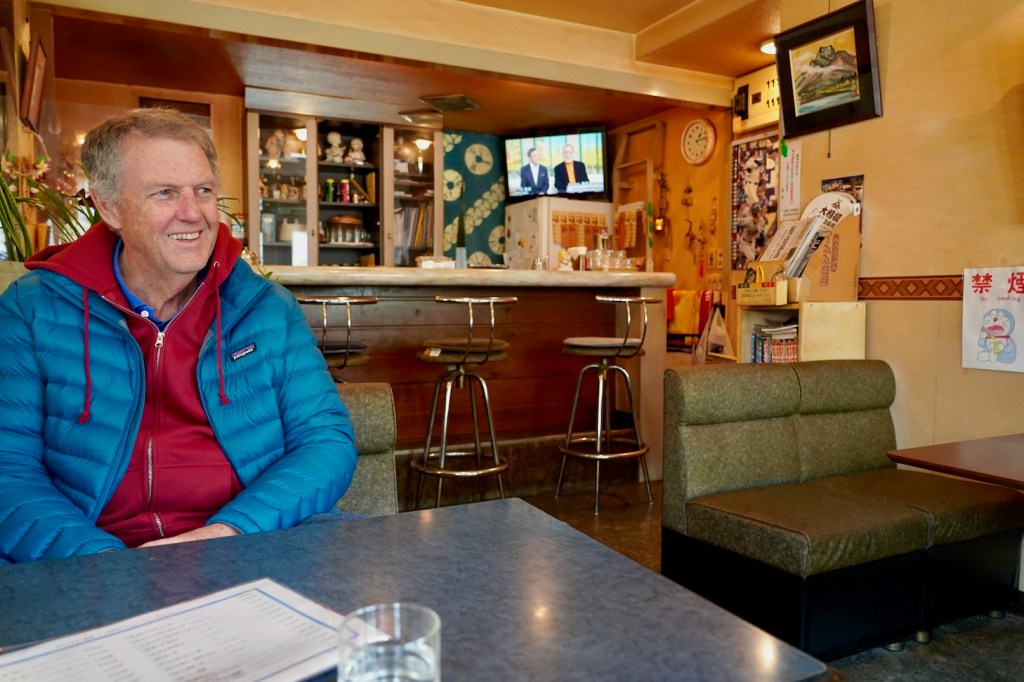
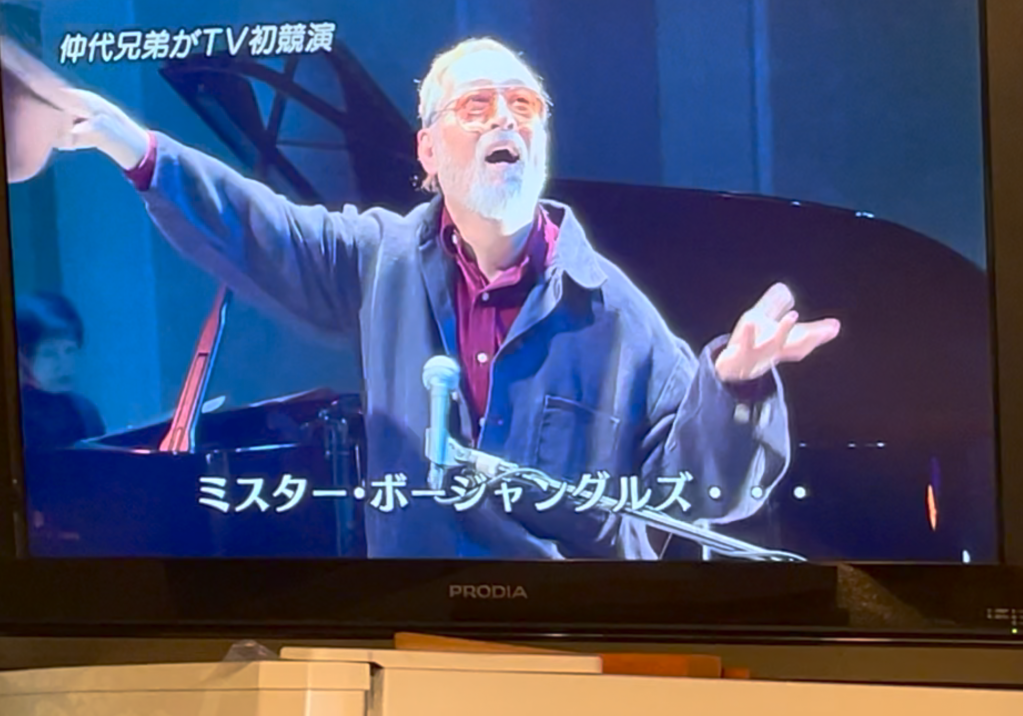
We sought out the restaurant where we had lunch on our previous visit, but it was closed. Instead, we came across a little cafe called TOMATO run by an elderly couple who produced a very cheap, but tasty menu. It wasn’t fine dining. It was simple Japanese fare and plentiful. And there was atmosphere that you couldn’t buy or plan. The television was on with a Japanese man singing an emotional version of the classic American folk song Mr BoJangles in Japanese!
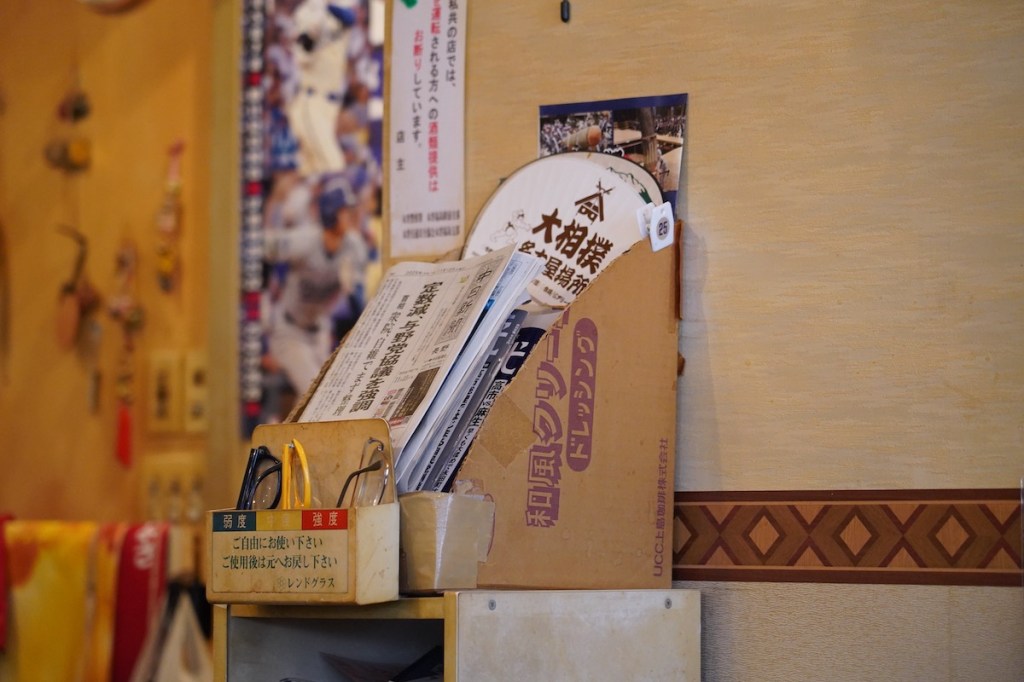
There was also a small box of reading glasses – left behind by regular customers? Provided for any customers who needed them?
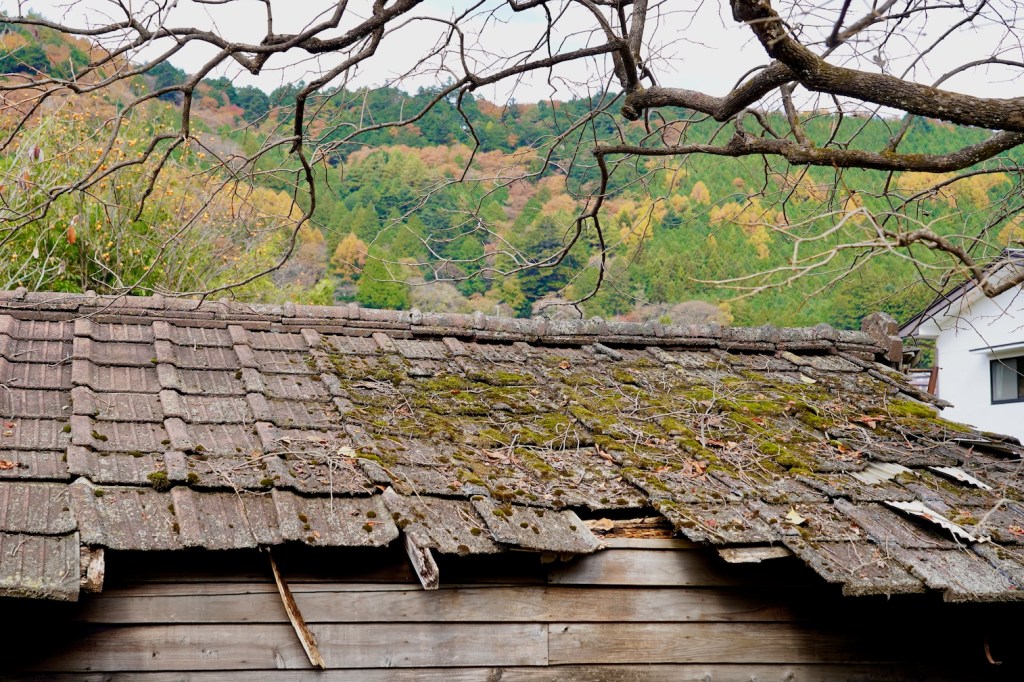
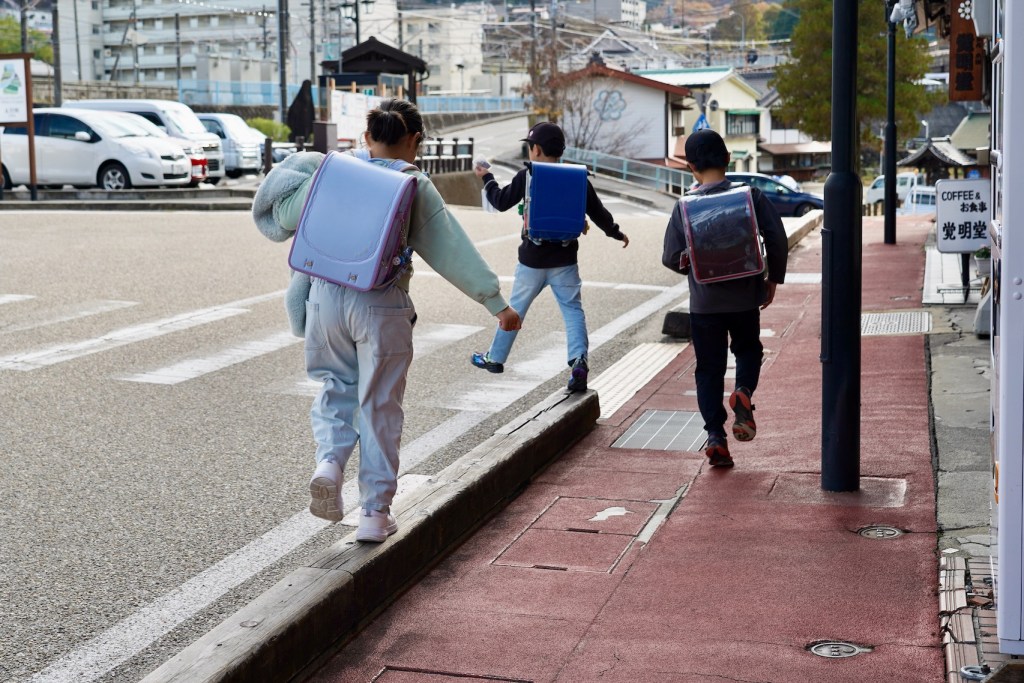
Eventually we headed back to the railway station, stopping in at a few shops including one of Kiso Fukushima’s famous laquerware stores along the way. En route, a trio of school children literally skipped past us singing! Happy little kids.
During our day in Fukushima the only other tourists we saw was a small group of westerners who appeared to be passing through the town on a guided hike – probably following the Nakasendo trail. No acknowledgement of us as we passed, even though we smiled and nodded in greeting. We could tell by their chatter that they were Europeans. In their own world.
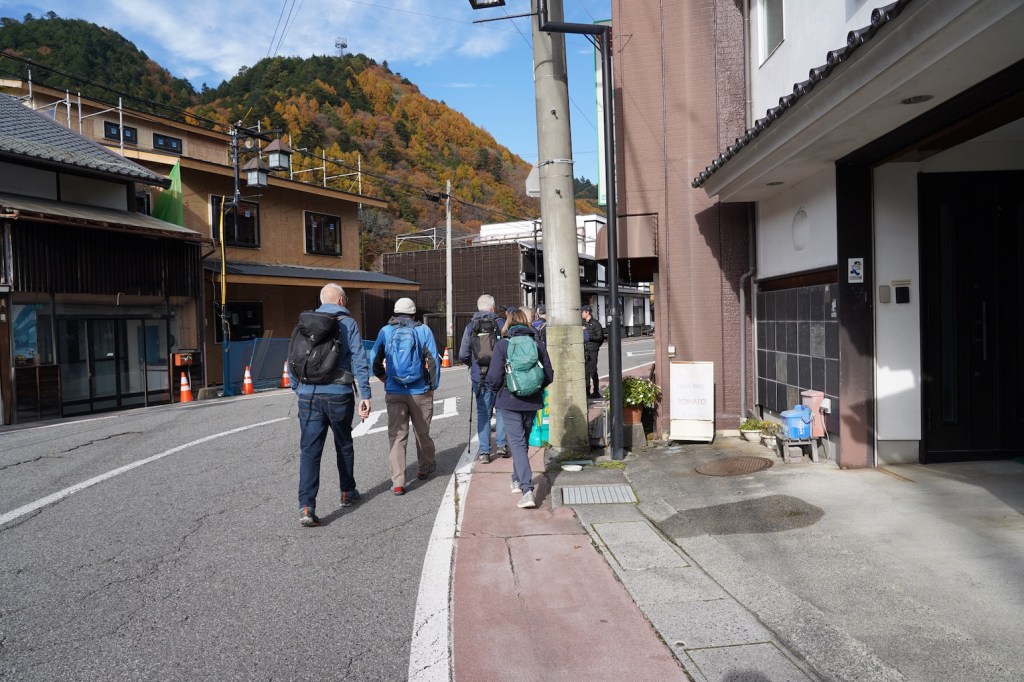
This reminded me of a morning walk I took once with a young Japanese student we were hosting at our Australian home. She was surprised at all the greetings by passbyers en route. “Oh, you know everyone!” “No,” I explained, “I don’t know any of those people. Australians in country towns just usually acknowledge each other with a smile or greeting.”
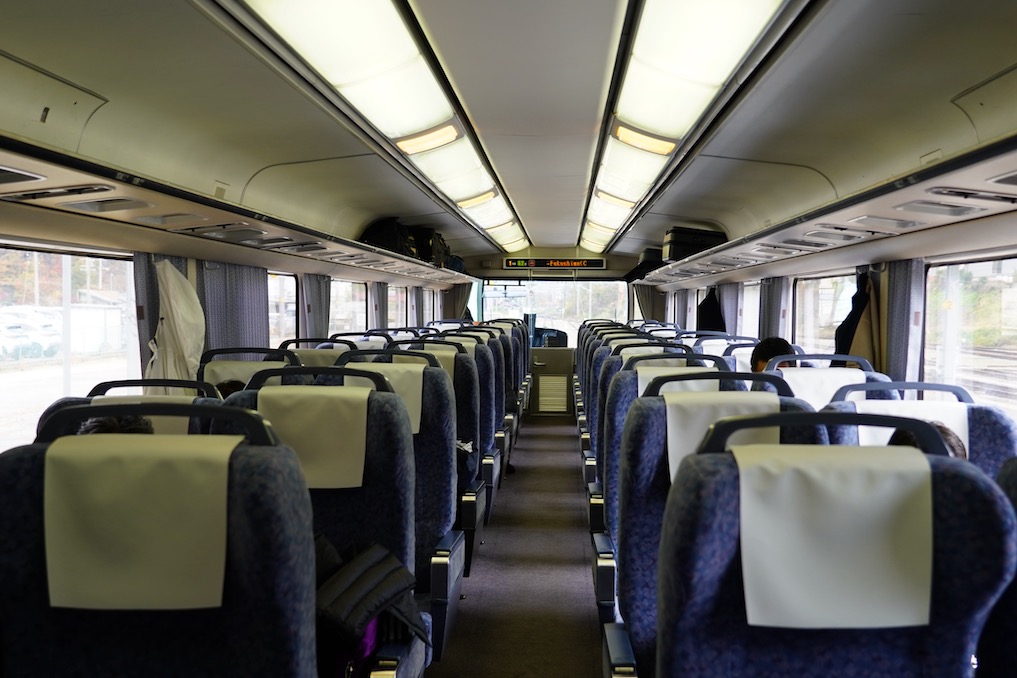
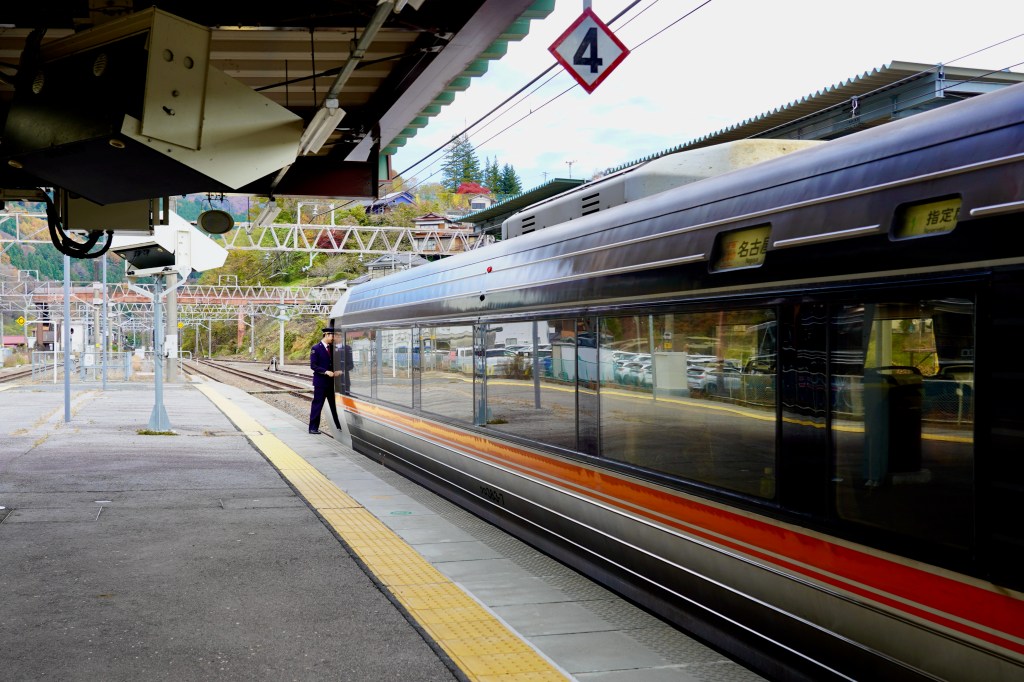
The train journey between Matsumoto and Kiso Fukushima is comfortable and scenic. A enjoyable day trip! We booked seats on the Limited Express Shinano train, which takes just over half an hour to reach Kiso Fukushima from Matsumoto. There are local trains, but the Limited Express offers very comfortable seating and wide view windows. If you visit Kiso Fukushima, double check beforehand what is open to the public and when. There seems to be various closing days for some attractions and shops/restaurants.
What else did we see in Kiso Fukushima – check out the story below of our previous visit there – and is there more for us to see? Probably!
 Travelling Therese
What an amazing experience, meeting a real samurai descendant totally by chance is so cool! Loved the mix of history and those little everyday moments like the café and quiet temple. Makes the place feel really special 😊
LikeLike