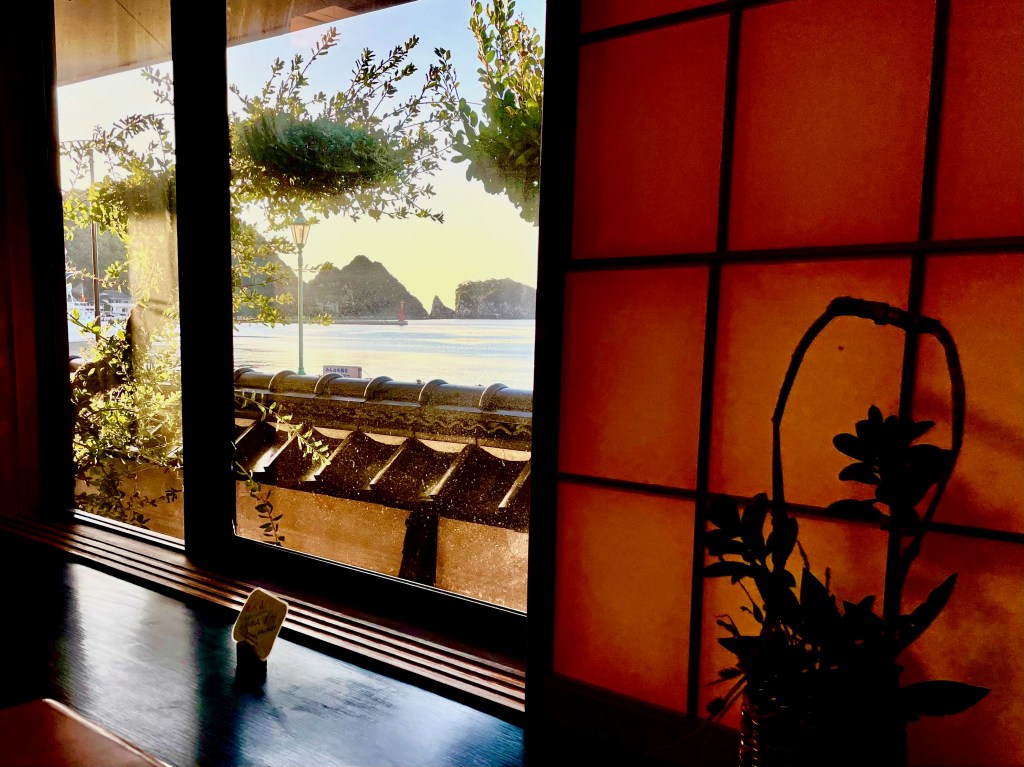
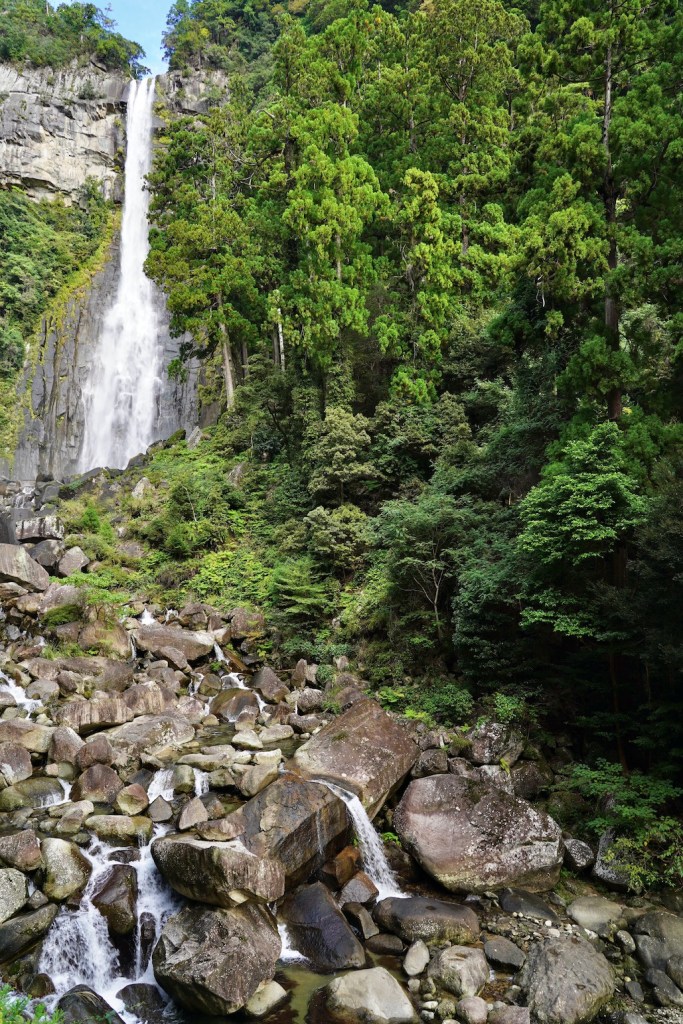
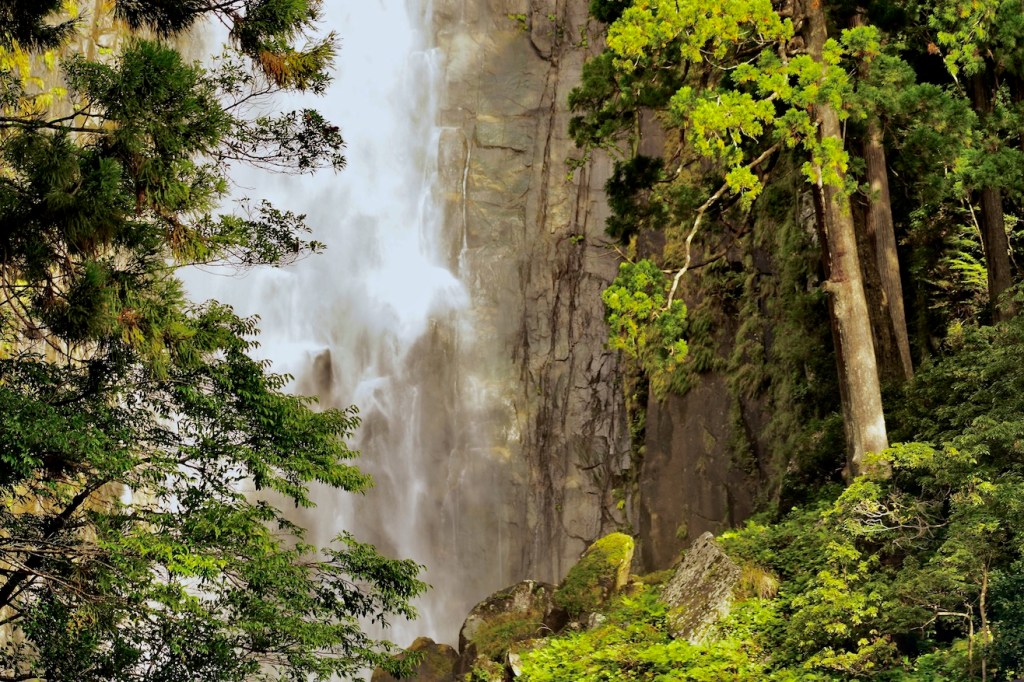
Last November while holidaying in Japan, I posted a short story on this blog. Something I never usually do. I write my posts at home after our journeys end and once I sift through the mountain of photos I’ve taken. My sudden compulsion to post up during the trip was because I found myself unexpectedly in a happy place – a relaxing small seaside town where I chose to stay not because it had any particular fame or allure, but simply as a place of accommodation near Japan’s famous 133 metre Nachi waterfall – the longest drop in Japan.
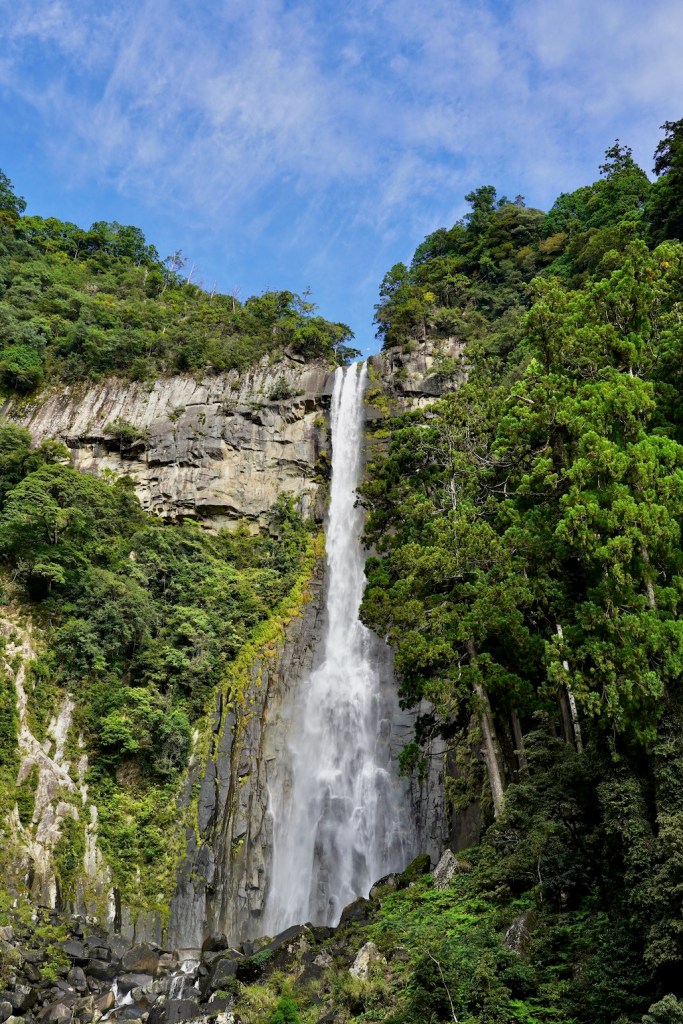
Nachi Falls attracted me to the Wakayama Peninula, but it was the small fishing town of Kii-Katsuura (Katsuura) that captured my heart. Nestled in a quiet cove looking out to the Pacific Ocean, Katsuura reminded me a little of some Greek coastal havens I’ve enjoyed.
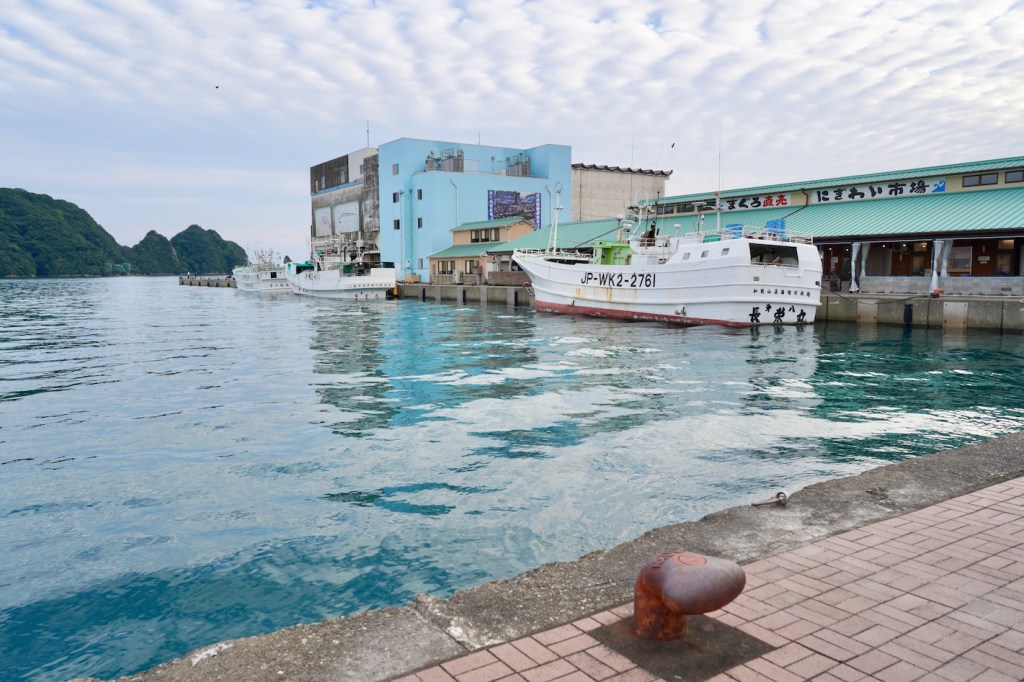
I briefly researched the town before we went, discovering it was known for its tuna fishing fleet and local onsens, as well as its close proximity to Nachi Falls. It is not a shining, flash town. Its worn, aged, rusting even – a remnant of Japan’s Shōwa era, post WW2 through to the late 1980’s. And I loved it! Katsuura has character, history and some very nice people!
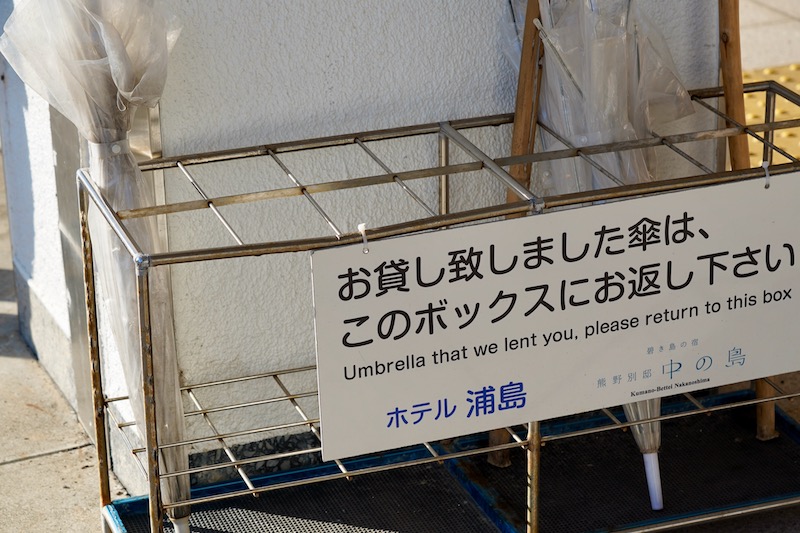
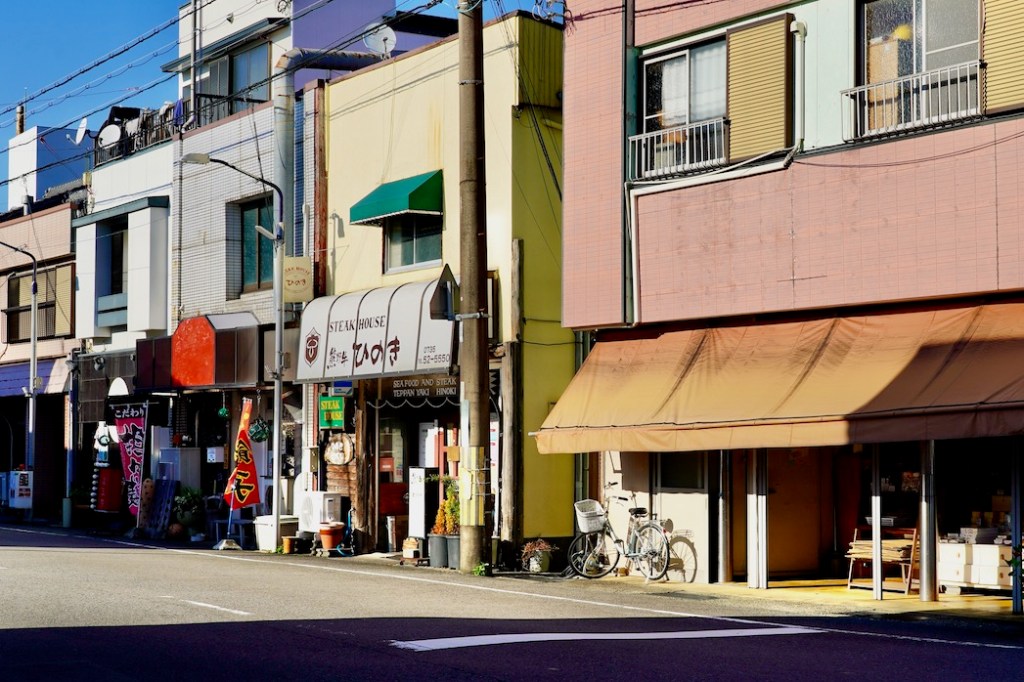
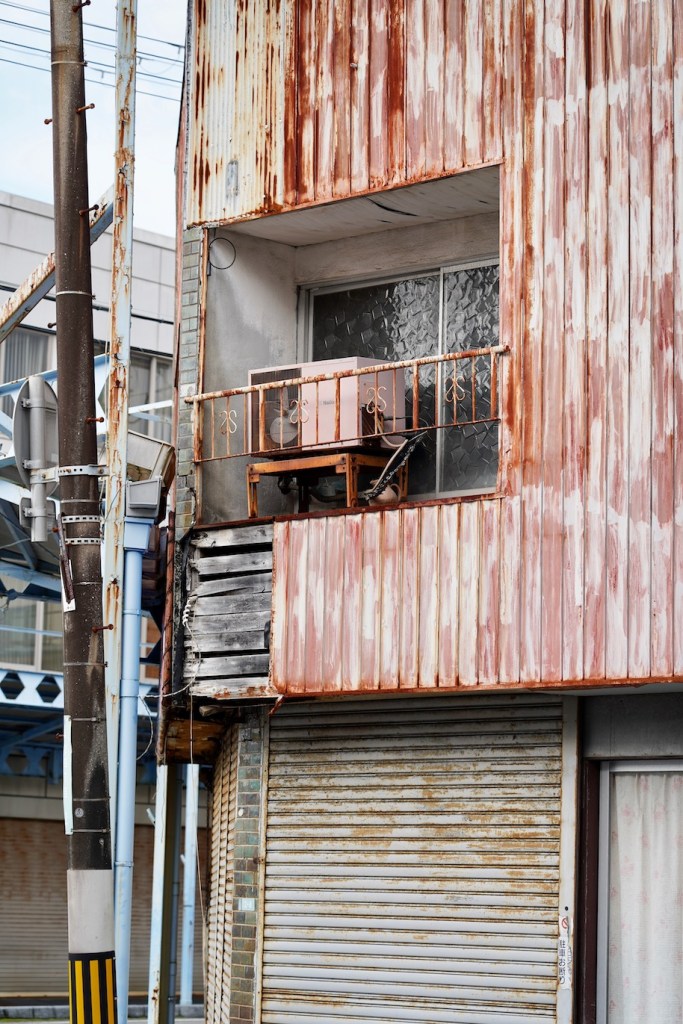
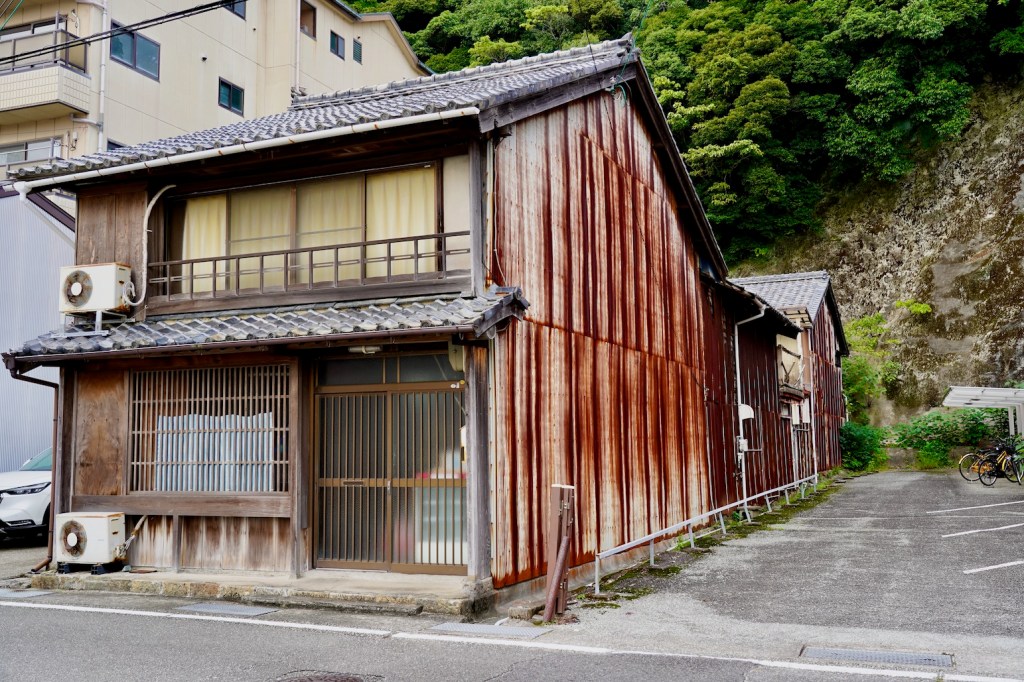
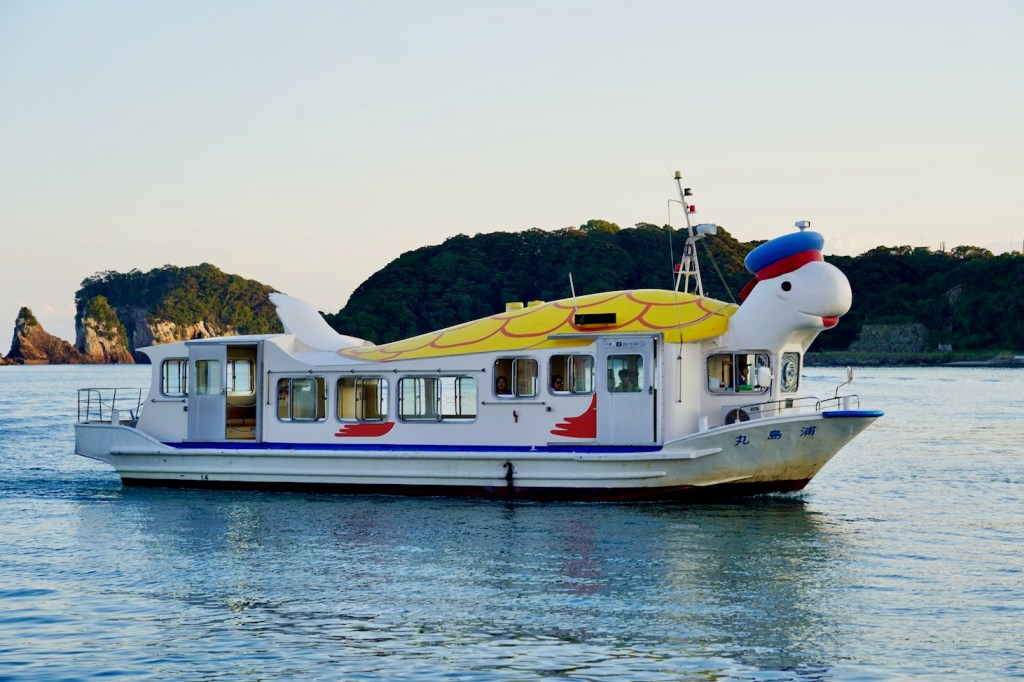
It doesn’t have a lot of hotels. Probably the most modern is the resort Kumano-bettei Nakanoshima, built on its own private island in the bay, away from the main town. You have to board a 5 minute ferry ride to reach it from Katsuura’s wharves. Apparently, it has six outdoor hot spring baths located around the island. I’m not an Onsen fan, so this held no attraction for me. Plus, we wanted to be a short walk from the railway station. We booked a small old local hotel, well situated right on the foreshore. It had the feel of a ryokan, with guests required to change into house shoes at the front entrance. Both western style and japanese ensuite rooms were offered, with a traditional Japanese breakfast and dinner included.
The hotel was fairly expensive – just over $500 Australian a night for two – including the meals. This was possibly because we had arrived on a major holiday long weekend. The ensuited bedroom was simple, overlooking the bay with bluefin tuna fishing boats moored less than 100 metres away from our room.
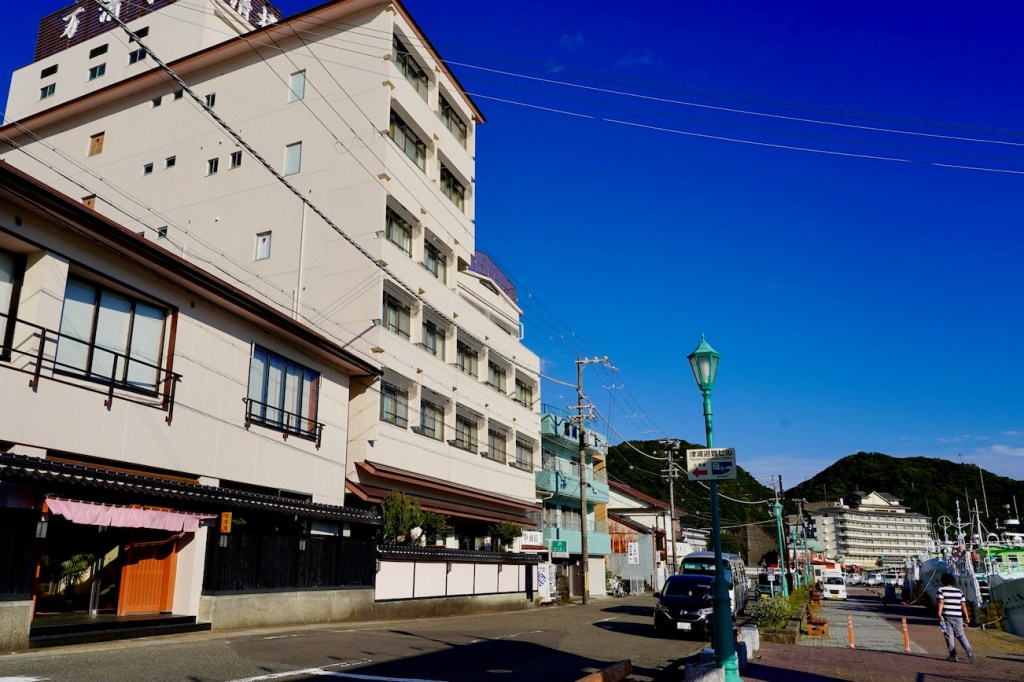
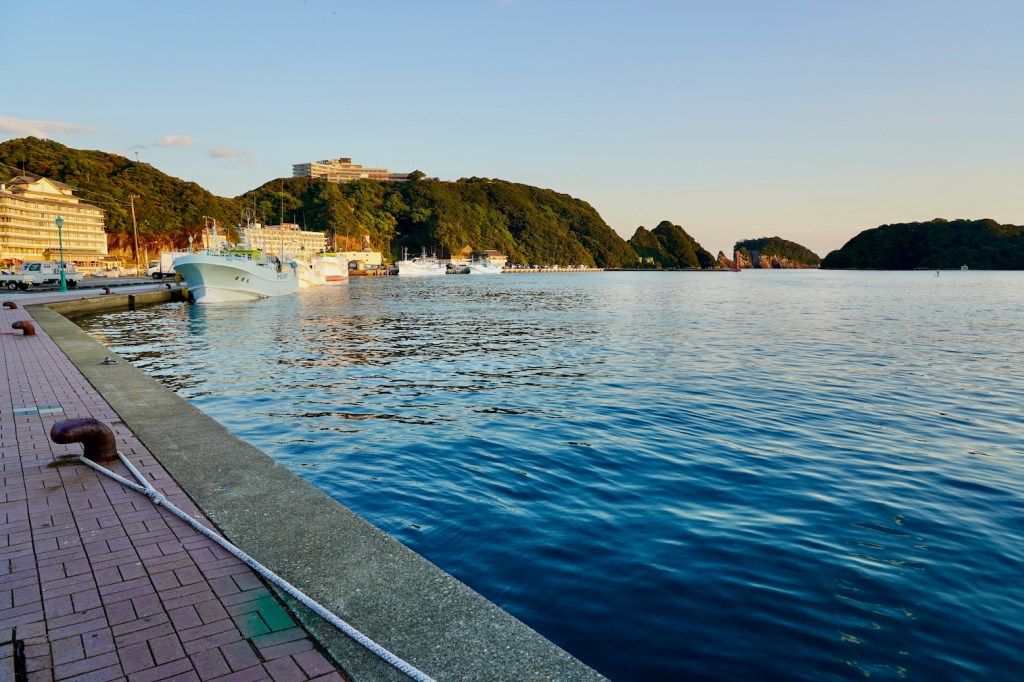
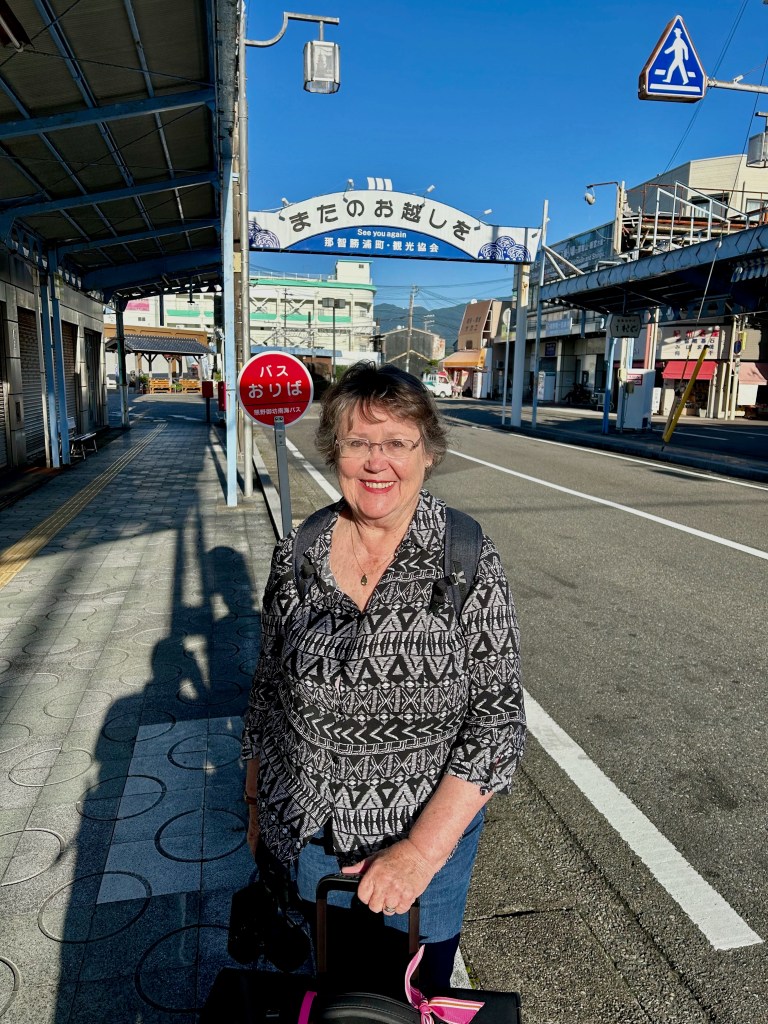
We travelled to Kii-Katsuura on a Saturday from Nagoya on the JR Limited Express Nanki, with wide view windows perfect for enjoying the beautiful scenery en route. The town was surprisingly quiet as we wandered down the main Street to deposit our luggage at our hotel. We took note of a cafe advertising a menu in English, returning there for lunch. ‘Ama ai’ offered both first class coffee and delicious food, including excellent cakes for desert. What more can you ask for! A chilled beer? Of course!
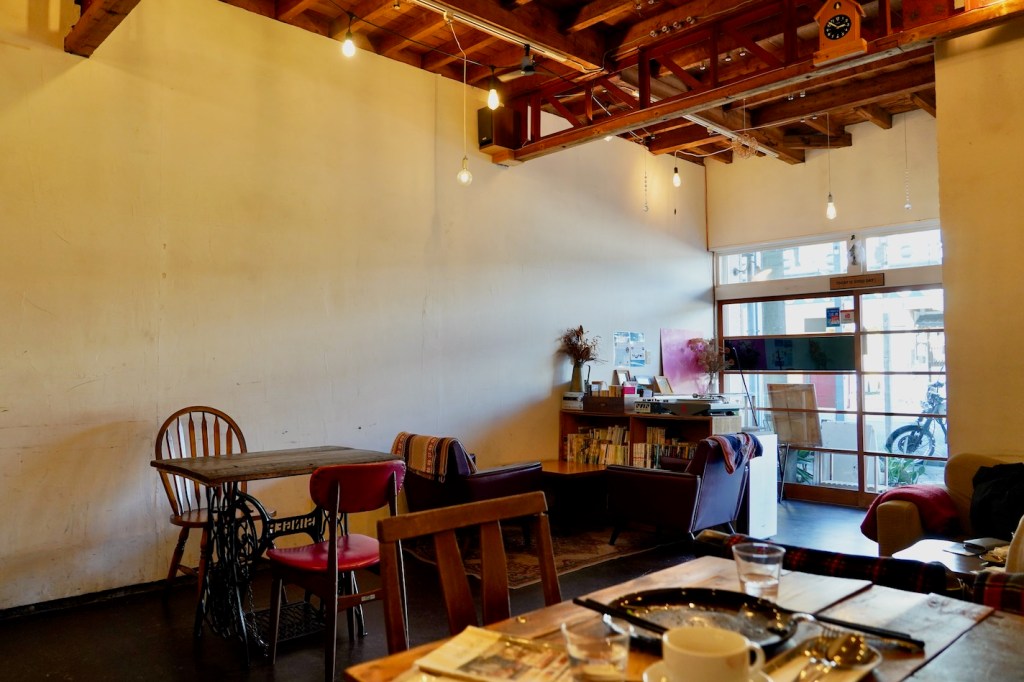
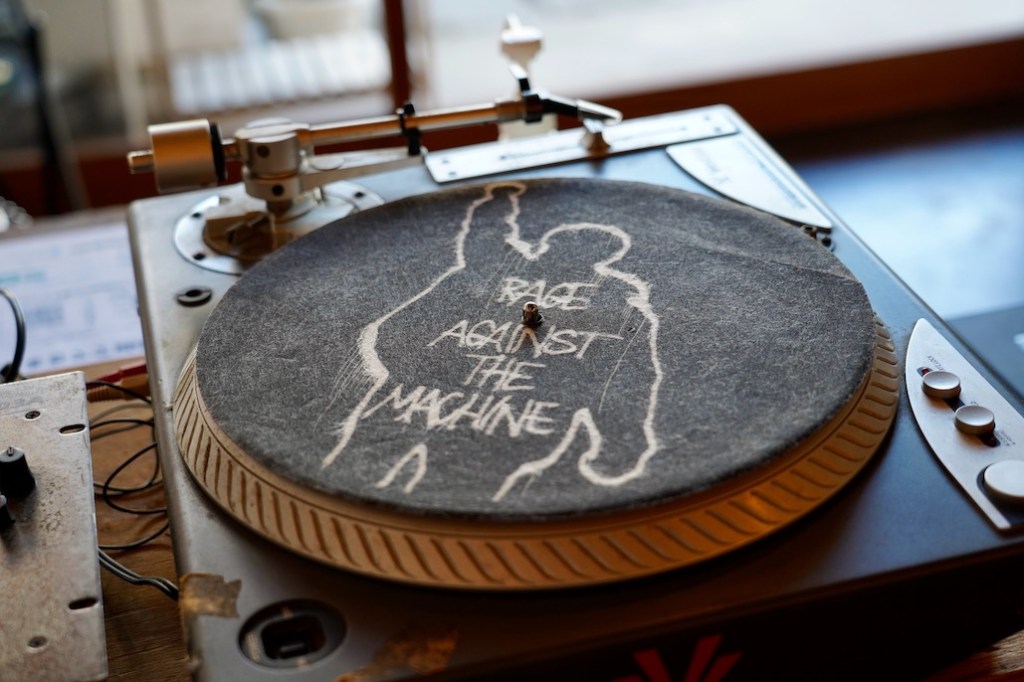
Ama ai is a very eclectic little cafe with concrete floors, wooden sewing machine tables, and an old fashioned record player standing its ground against more modern sound technologies! At home I looked up the meaning of the cafe’s name – the best I could come up with was that AMA means woman of the sea and AI is something to do with love. Well, a lot of love has gone into this delightful cafe! It’s food is excellent ad not very expensive. We returned a few times for lunches and serves of its excellent basque cheesecake.
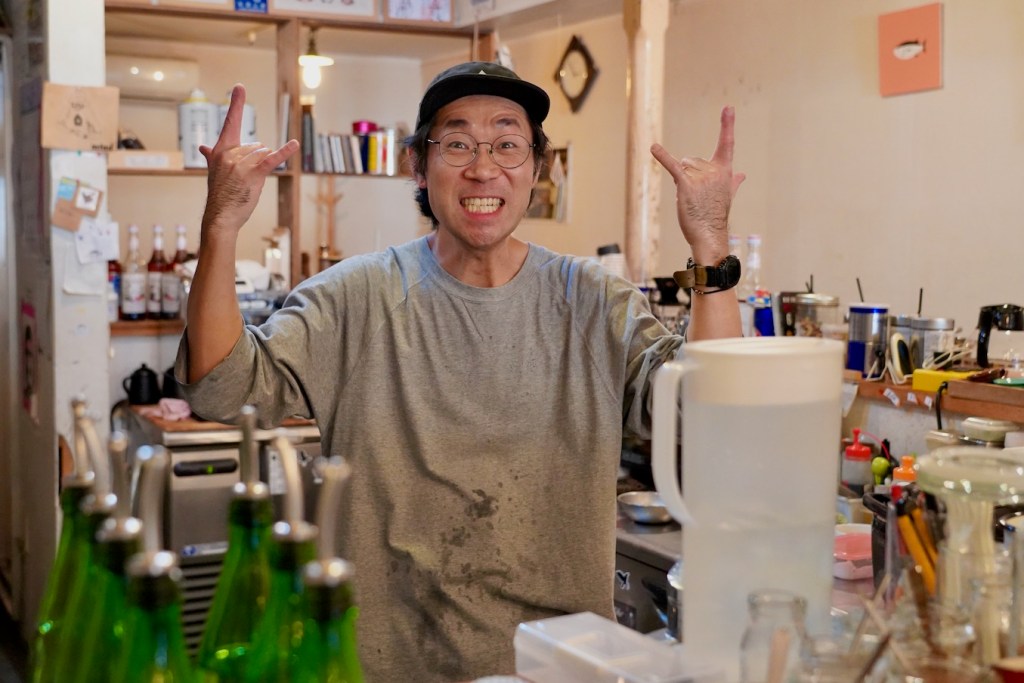
Usually a holiday coastal town on a long holiday weekend will be chockers with visitors. I don’t know where they all were. Enjoying onsens perhaps.
Down to the far right of the port was a large building filled with casual eateries – a big tuna hanging outside. Stuffed I presume! Here we finally found some holidaymakers – couples and families enjoying meals and snacks – icecreams for us! I understand they hold fresh fish auctions there, but we missed them.
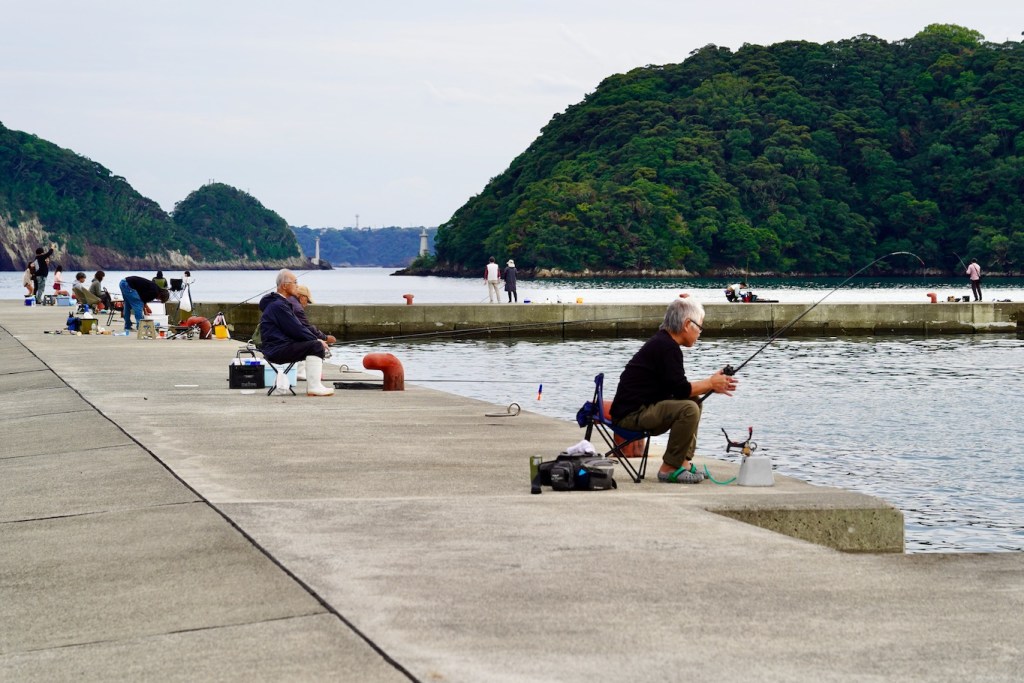
Our greatest pleasure was to wander the wharves lined with hobby fishers trying their luck. Husband MJ was in his element, checking out people’s fishing gear. And striking up conversations. Generally, they didn’t speak english, and he doesn’t speak Japanese. But as we have found on our trips to Japan, fishing has its own universal language!
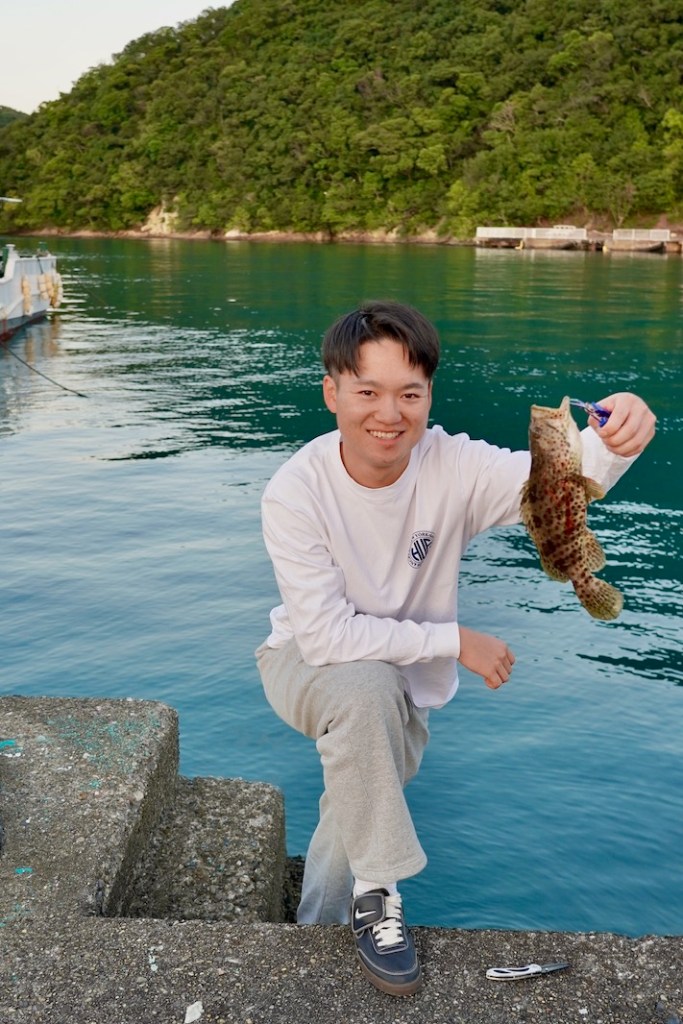
One young man we met had travelled from a nearby town to fish, and proudly showed off his catch.
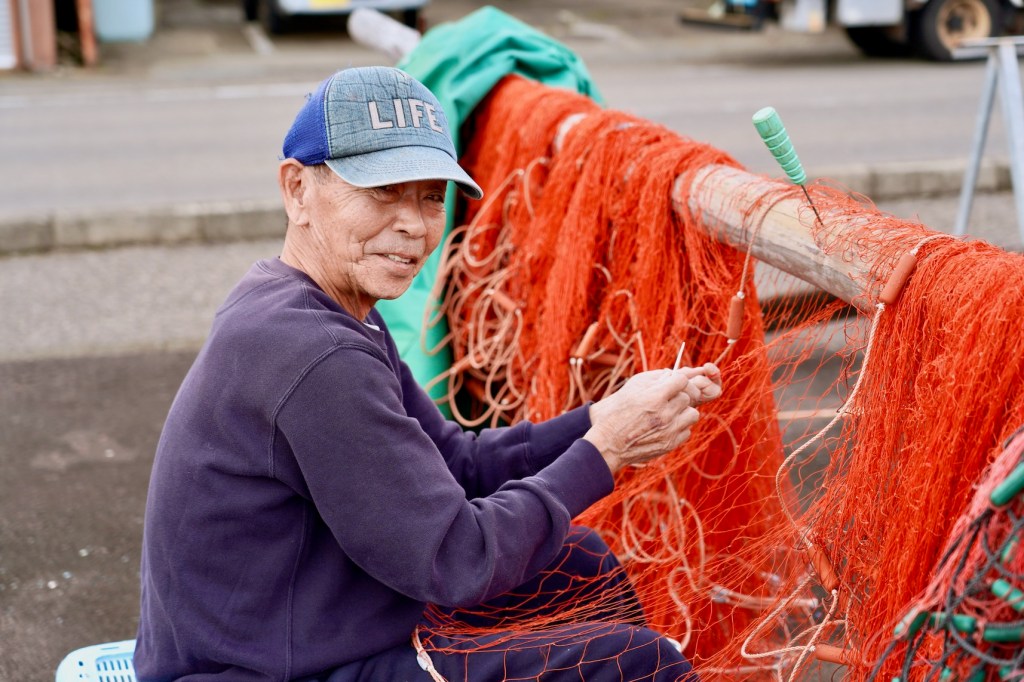
We spotted professional fishermen too repairing their nets. One nice chap posed for my camera.
NACHI FALLS
We headed early on the Sunday morning to the bus station adjacent to the railway station, mistakingly buying all day tickets that would have taken us not only to Nachi Falls, but also to some famous temples and shrines in the area. It’s a bargain for most tourists. But my crappy knee meant we needed to restrict ourselves to the Falls. So, we only really needed return tickets there. We were surprised at the number of tourists that emerged so early in the day for the ride, with the bus full by the time we set off. It was a very picturesque half hour bus ride to reach the Falls, hidden within a magnificent ancient evergreen primeval forest.
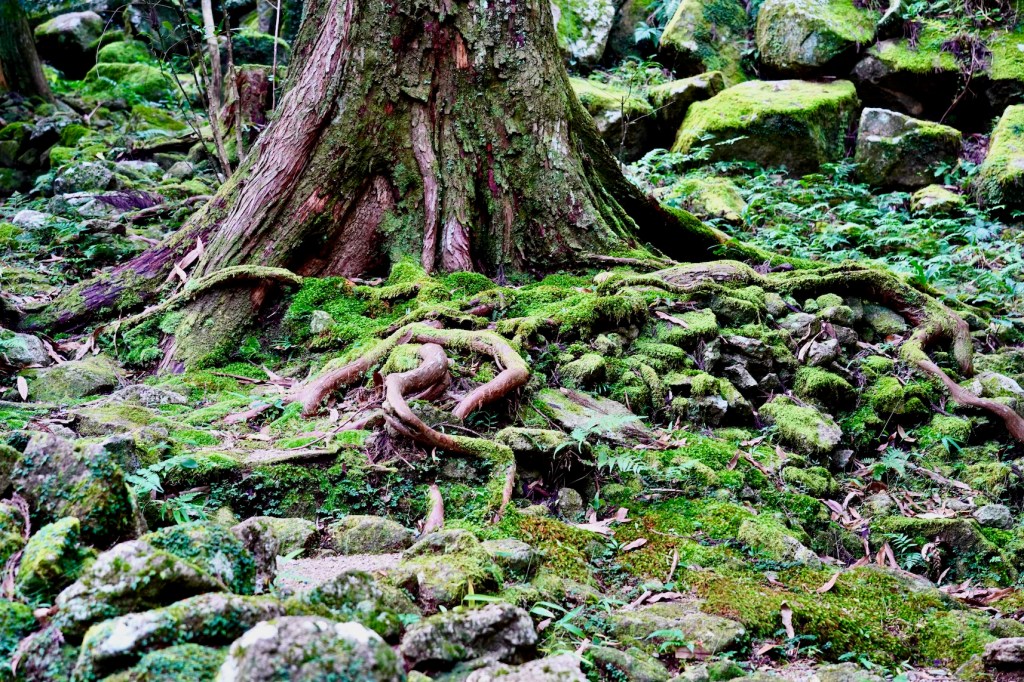
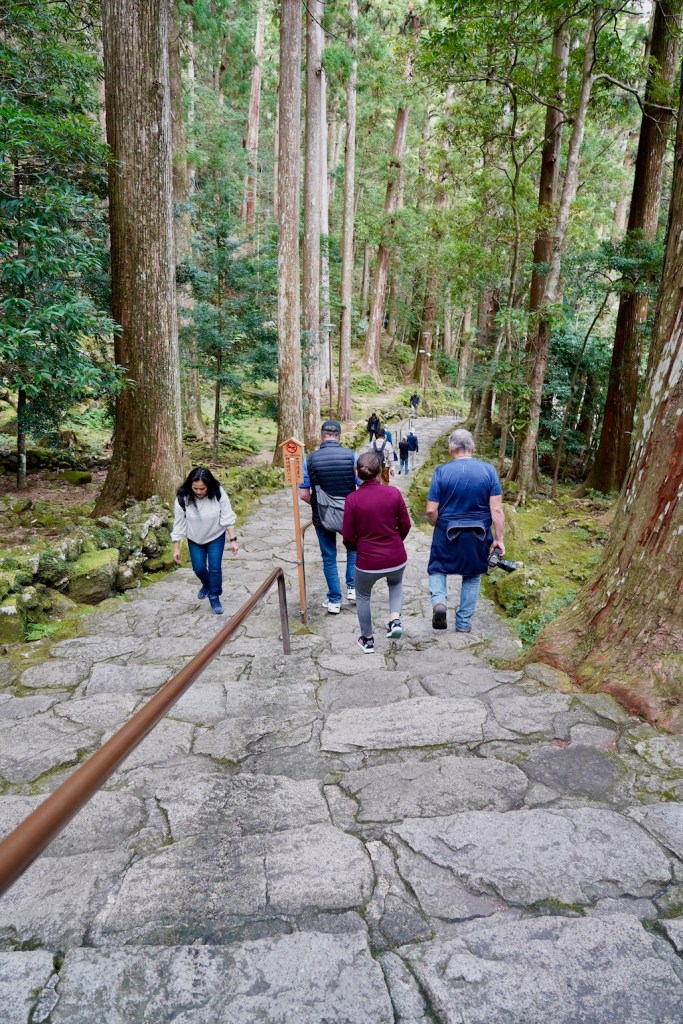
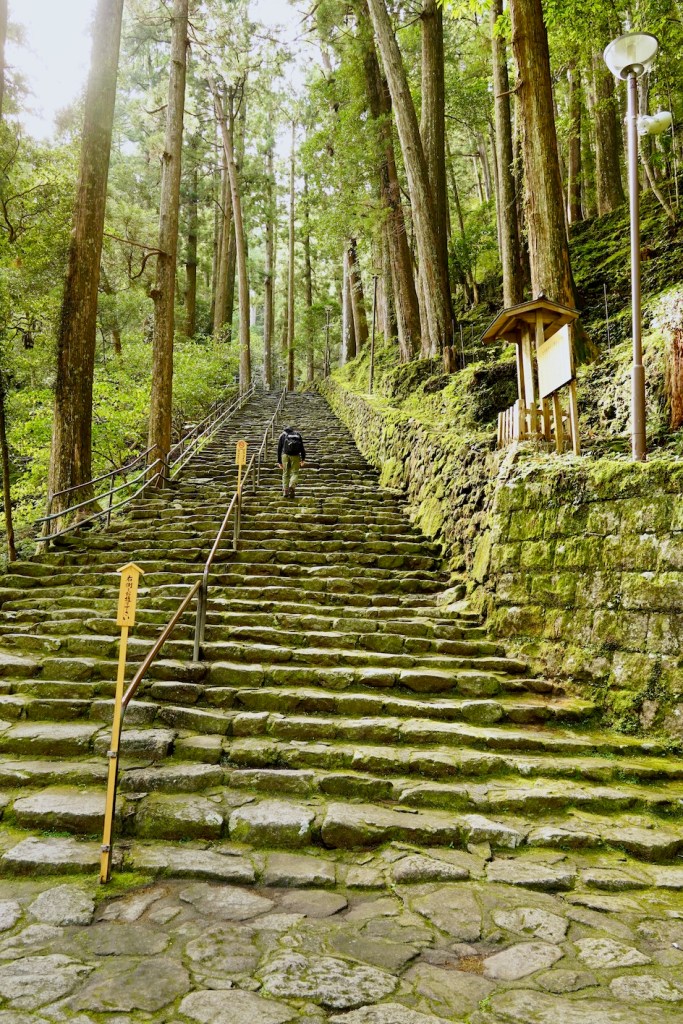
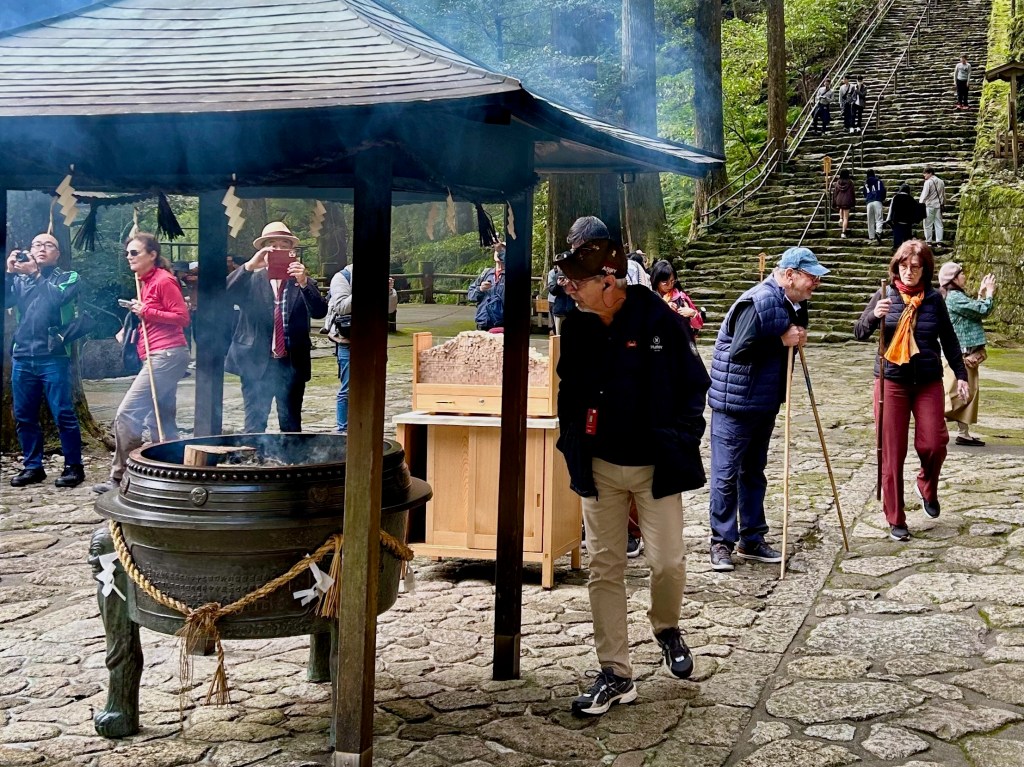
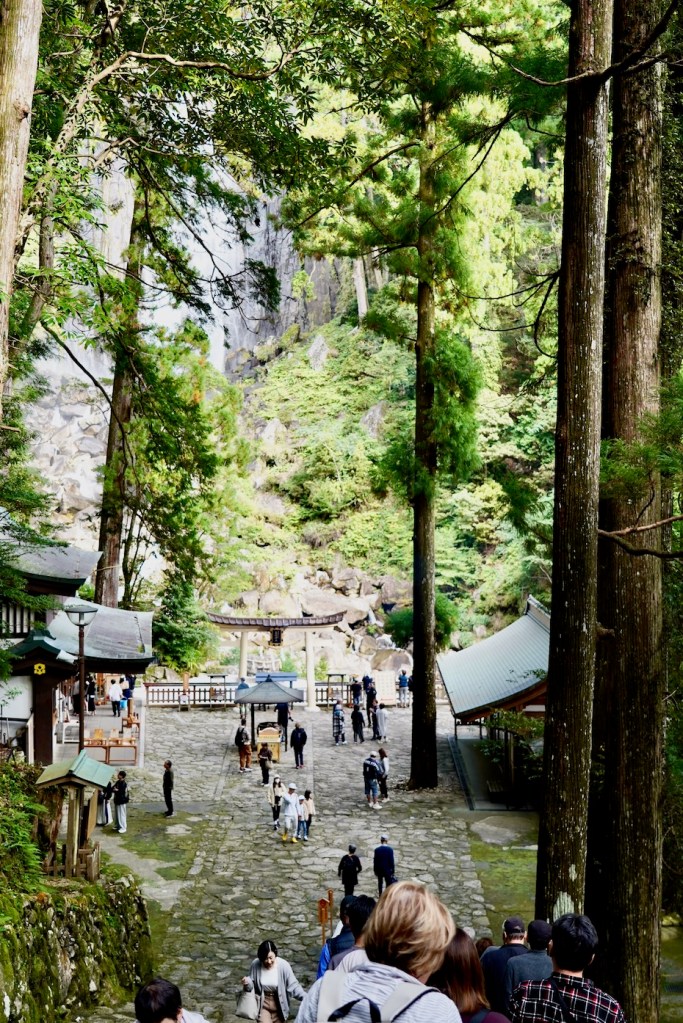
At the stop before the main Falls bus stop, most of the passengers got off to walk along a tiny part of the famous Kumano Kodo trail to the Falls. It is an ancient pilgrimage trail that is actually a network of trails with the main route covering about 70 kilometres. It can take four to five days and is not for the faint hearted! A small hub of shops were at our bus stop, and ahead of me was a formidable bank of wide stone steps heading upwards to the top of an hill, over the top and descending to the base of the Falls. Going in 467 steps – more than 900 return! For normally fleet footed beings with healthy knees, this would only take about 5 minutes. But it was a lot more challenging for me. I thought at the time I was dealing with a failed total knee replacement, undertaken a few years back. I’ve since found out that the patella on the new knee was in a shocking state, cartilage crumbling away. Slowly goes the tortoise – but I made it.
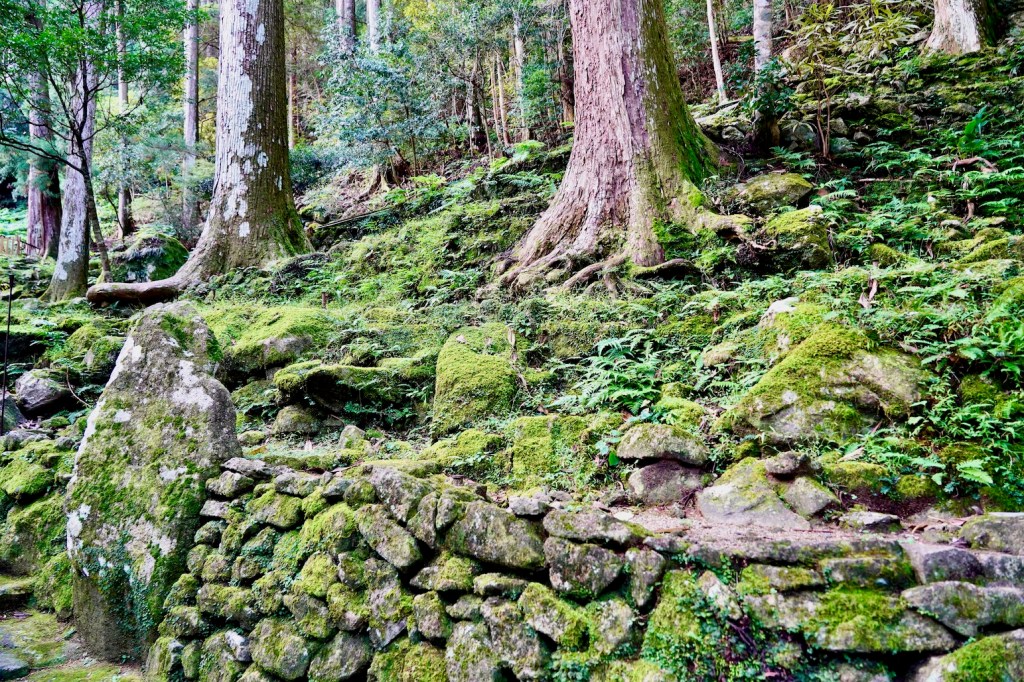
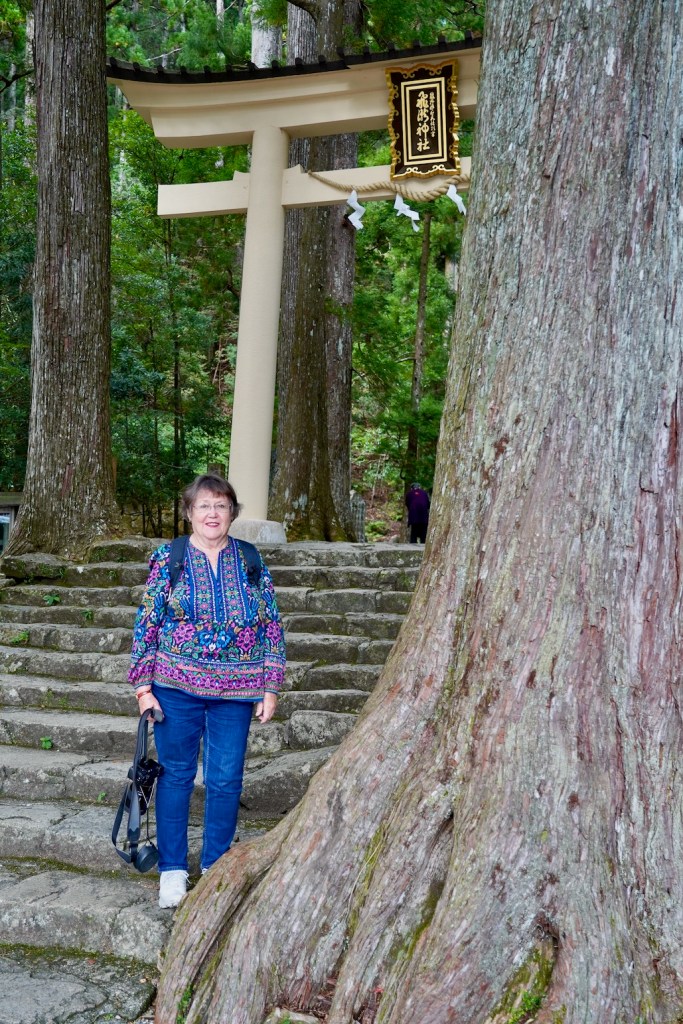
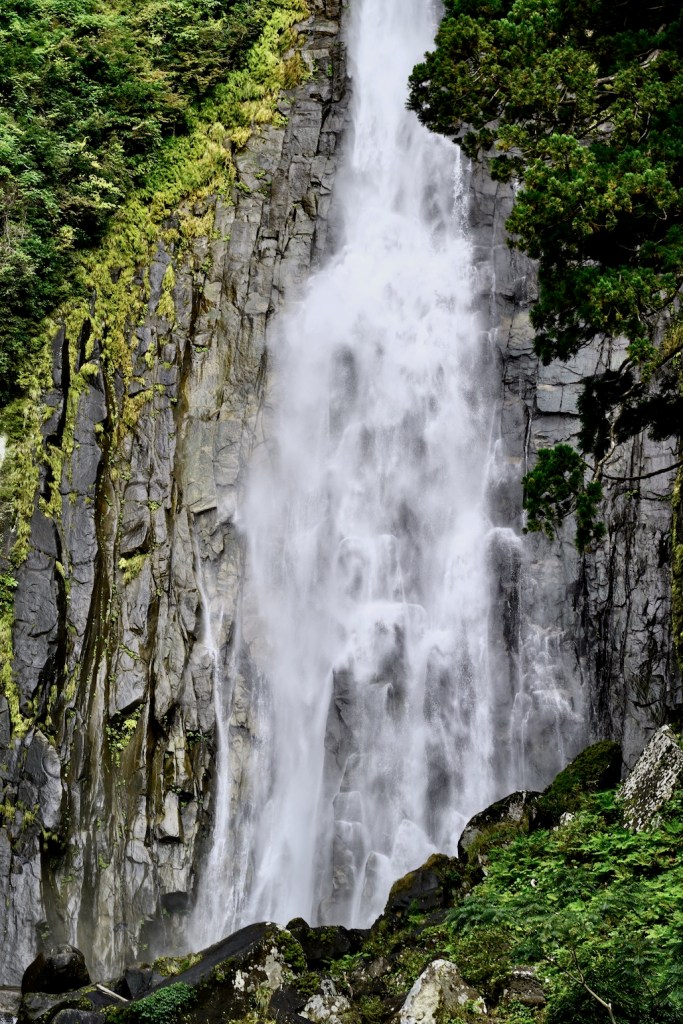
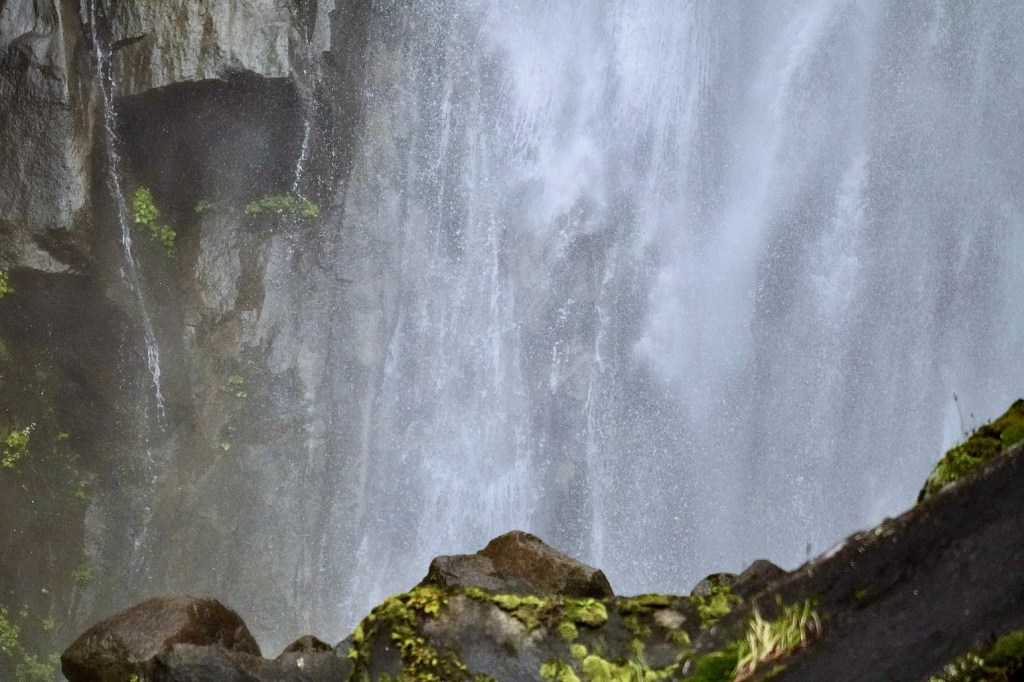
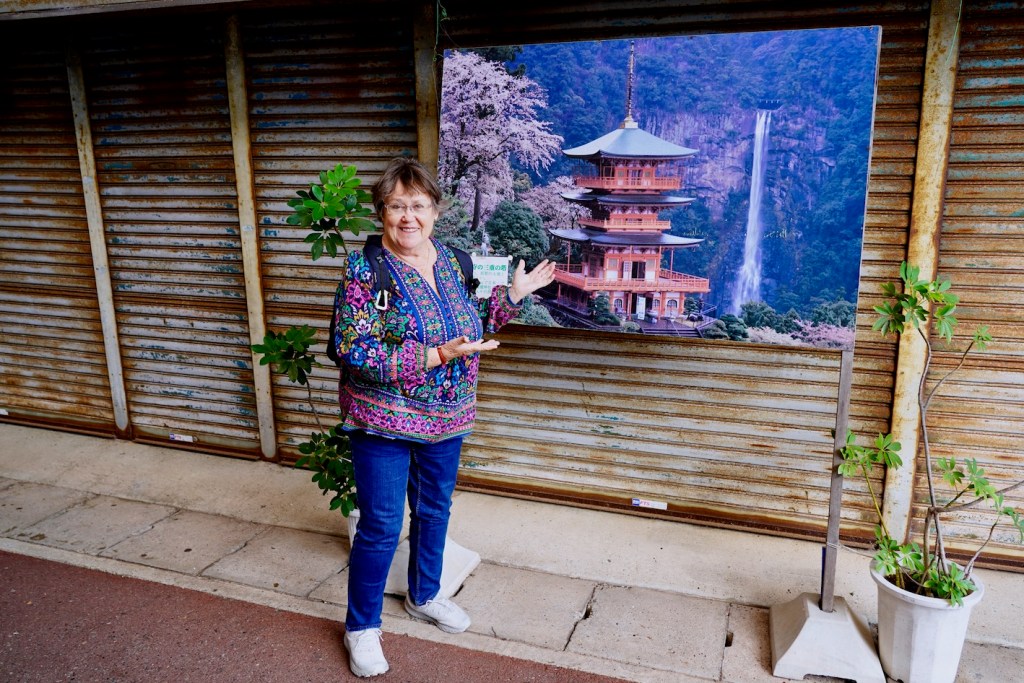
The most famous photo of Nachi Falls has been taken further on from the base of the falls, capturing a Red Pagoda and the Falls together. You have to keep climbing steeply up about another 200 to 300 steps. I didn’t do it, so I can only rely on the internet for an estimate. I desperately wanted to take that shot, but I knew it was impossible for my knee to cope with. I still had to get back to the bus stop – upstairs/downstairs! I settled with seeing the Falls, and taking as many unusual photos of it as I could. I did have a sense of accomplishment in making it as far as I did.
THE AUSTRALIAN LINK:
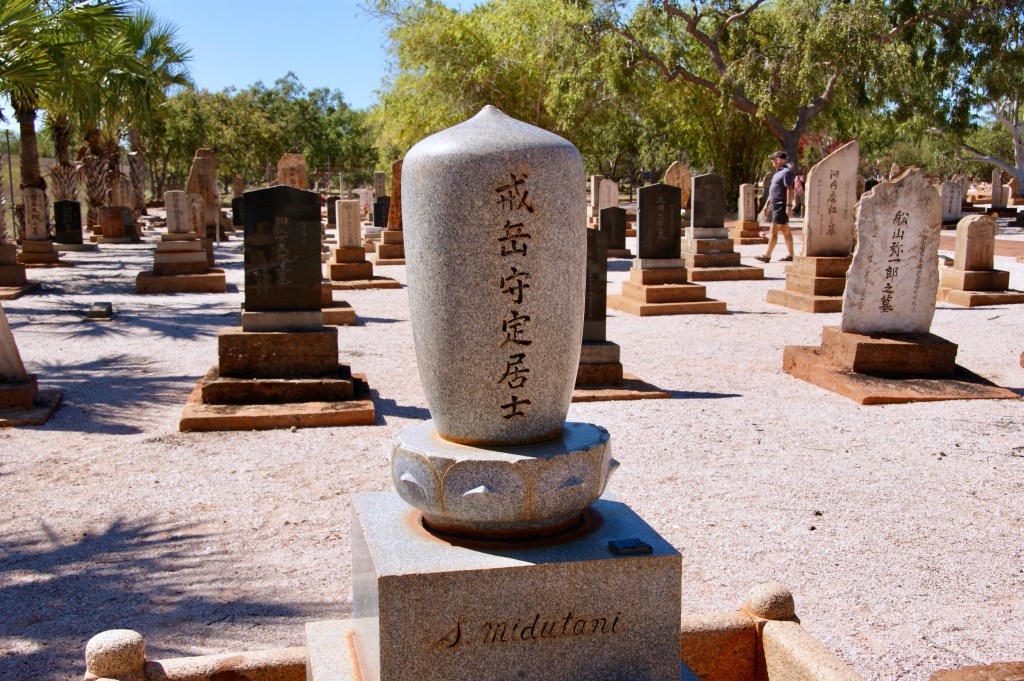
Japan’s Wakayama/Kii Peninsula area is strongly linked with Western Australia’s rugged and remote Kimberley coast. In the 1800’s and early 1900’s hundreds of young Japanese left this area to work as pearl divers in Western Australia, mainly based in Broome – some at Cossack further south. Within their Broome community they had their own hospital, schools and shops. A Japanese carpenter used traditional Japanese building methods to construct a wooden convent for Broome nuns. It still stands, and until recently was open to the public.
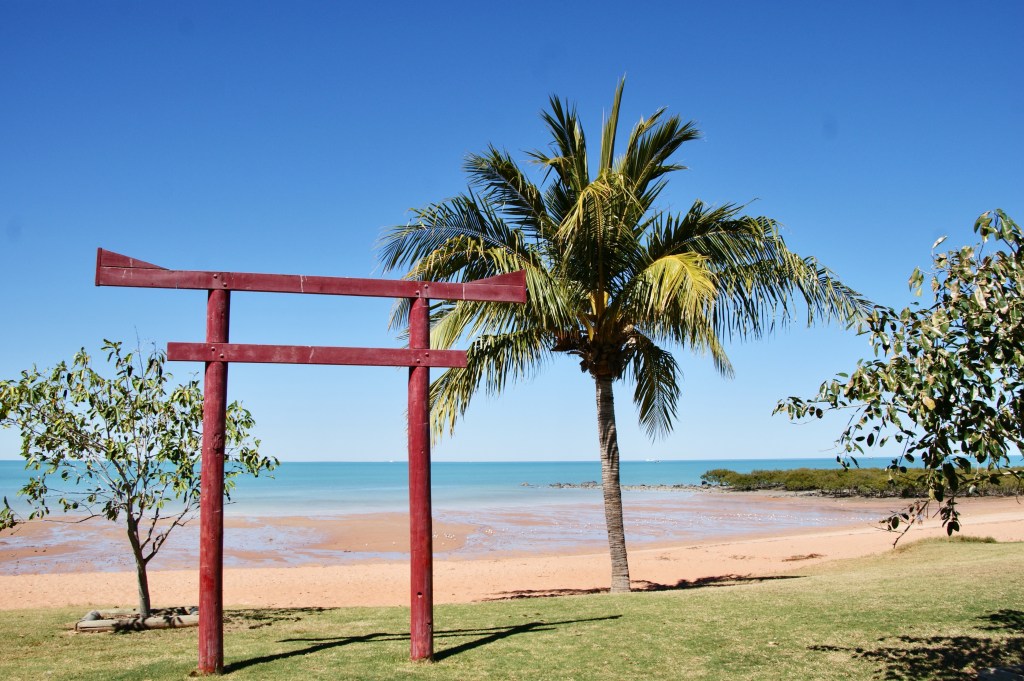
Today about 800 Japanese rest in a Japanese graveyard in Broome – most of them from the Kii Peninsula. Some of their descendants still live in Broome. So I was interested to see where they had come from – the landscapes of the Kii Peninsula and the WA Kimberly are so totally different. The only thing in common perhaps was the sea.
TIPS: A lot of tourists visit Nachi Falls on day tours. So go early to get ahead of the crowds. And do consider staying in Kii-Katsuura – we loved it!
As for that post I wrote while in Kii-Katsuura – if you haven’t read it – check it out here for the splendid Katsurra sunset we enjoyed!
https://travellingtherese.com/2025/11/03/slip-sliding-away-in-japan/
The crap knee? In my second knee surgery in 3 years, the patella ( kneecap) has been now resurfaced and what my surgeon has described as a cushioning button has been inserted. I’m told recovery takes 6 to 9 months. Forward ho! Another mountain to climb!
 Travelling Therese