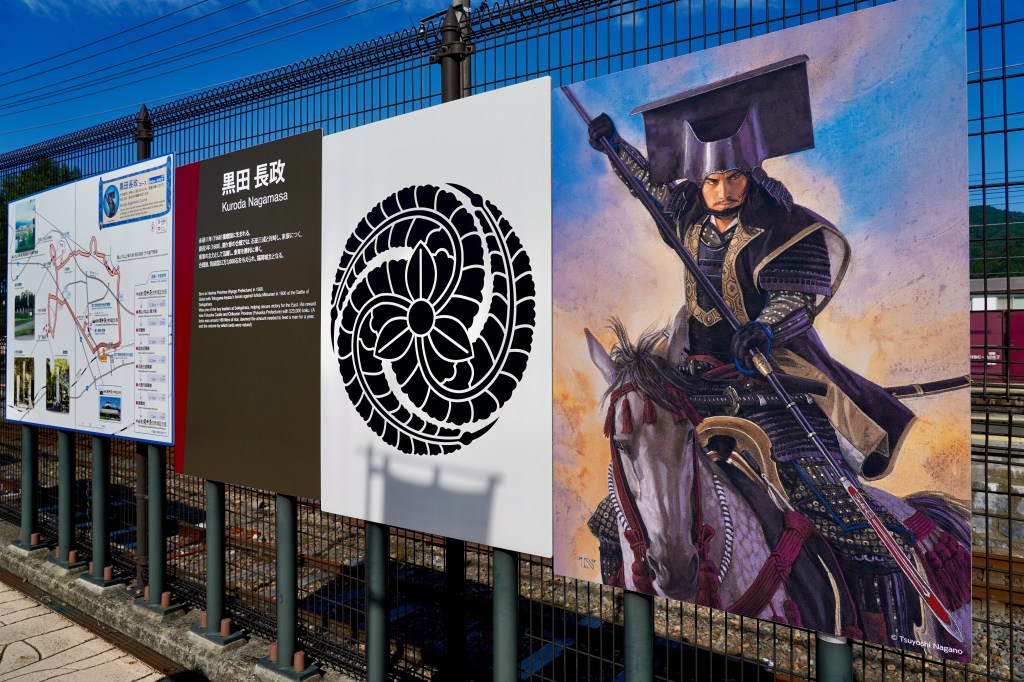
I have stood in the heart of a battle – surrounded by Samurai warriors – guns blazing, arrows flying, bloodied swords clashing – foot soldiers clashing, deadly sharpened spears flying from horses thundering through the mayhem. The battle at Sekigahara in Honshu’s Gifu prefecture is Japan’s most famous in Samurai history.
It was the battle to gain control of Japan and it was desperately by 150 thousand troops, including some women. It was brutal, highly tactical and decisive – waged for only six hours, with an estimated 30,000 samurai dying.
Obviously, I wasn’t really at the battle – I’m a frequent traveller, but haven’t discovered time travel yet! However, in visiting the tiny town and valley of Sekigahara, I achieved a real understanding and feel for what happened at this unassuming, but very historic site.
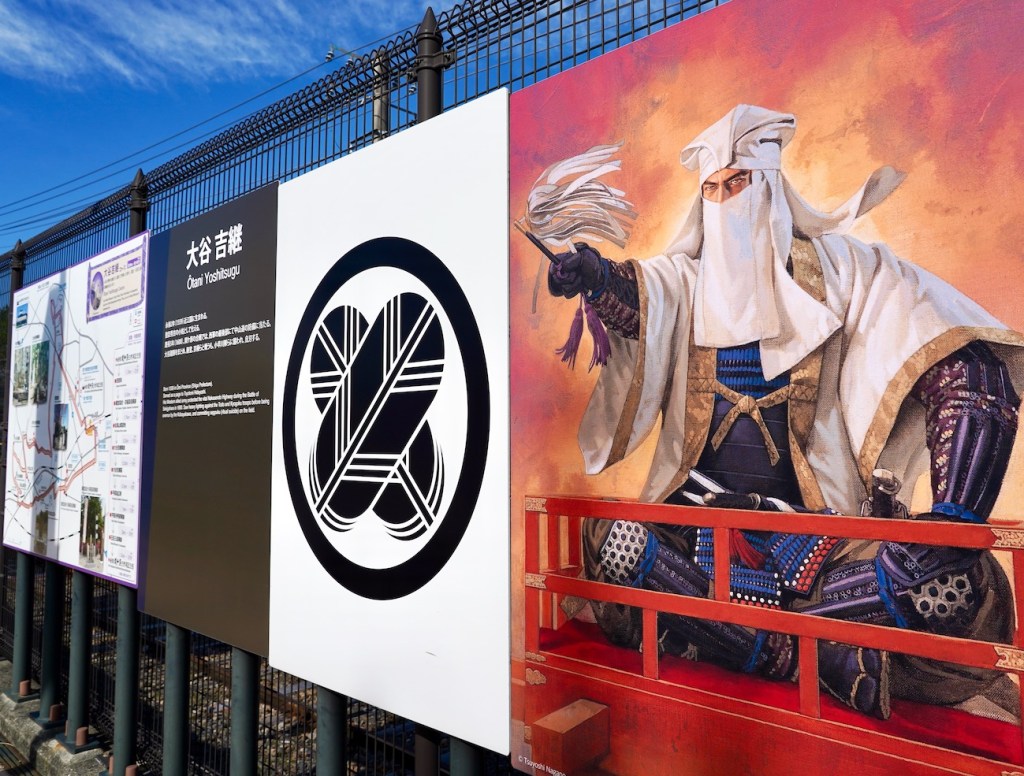
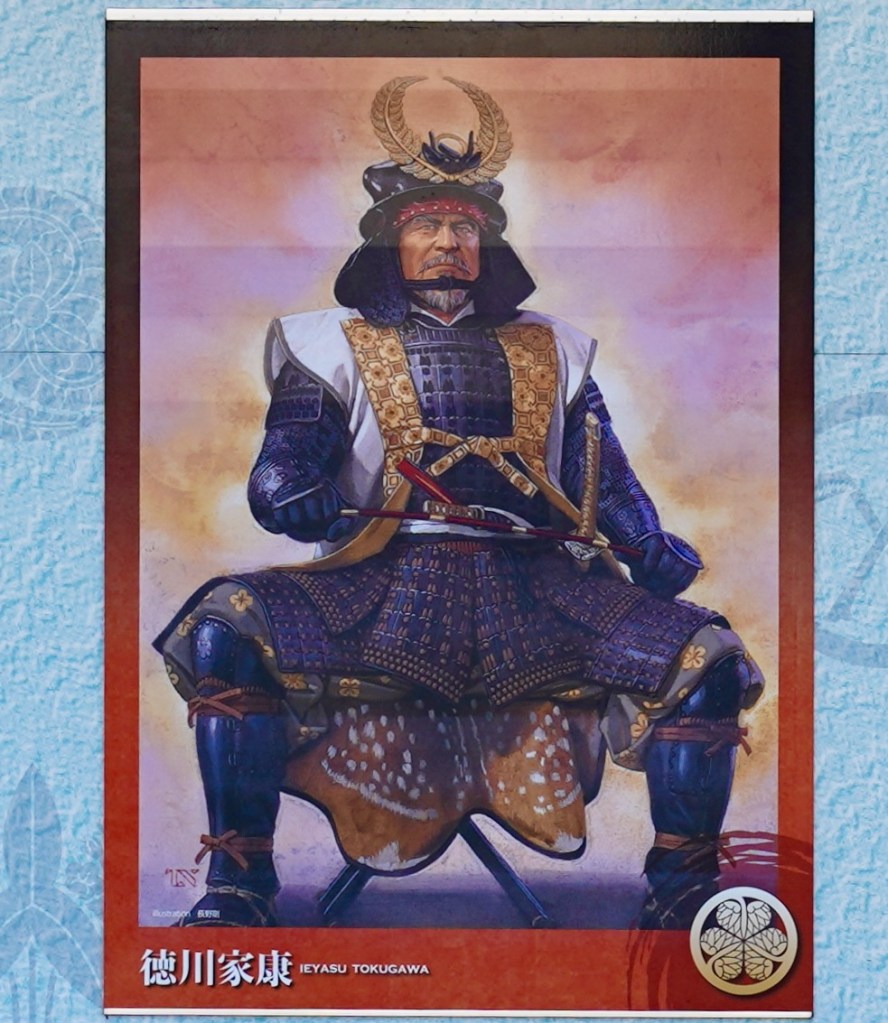
Various Lords with their armies from throughout Japan lined up behind the East Army – led by Tokugawa Ieyasu (made internationally famous in the James Clavell book Shogun and the recent award winning TV series of the same name) – and the West Army led by Ishida Mitsunari. If you did read/watch Shogun, then this battle is what happened next!
At the end, Ieyasu won the day, establishing a Shogunate that would last more than 250 years, bringing peace to Japan. Those still alive on the losing side fled desperately for their lives, discarding their armour as quickly as they could. Some of the leaders in the Western Army who survived were caught and later beheaded in Kyoto. Others, such as the Lord of the castle in Okayama, were exiled for life to a faraway Japanese island.
I detailed some of the battle in my blog story released earlier this month on January 16 – Samurai Armour – a small museum. https://travellingtherese.com/2026/01/16/samurai-armour-a-small-museum/
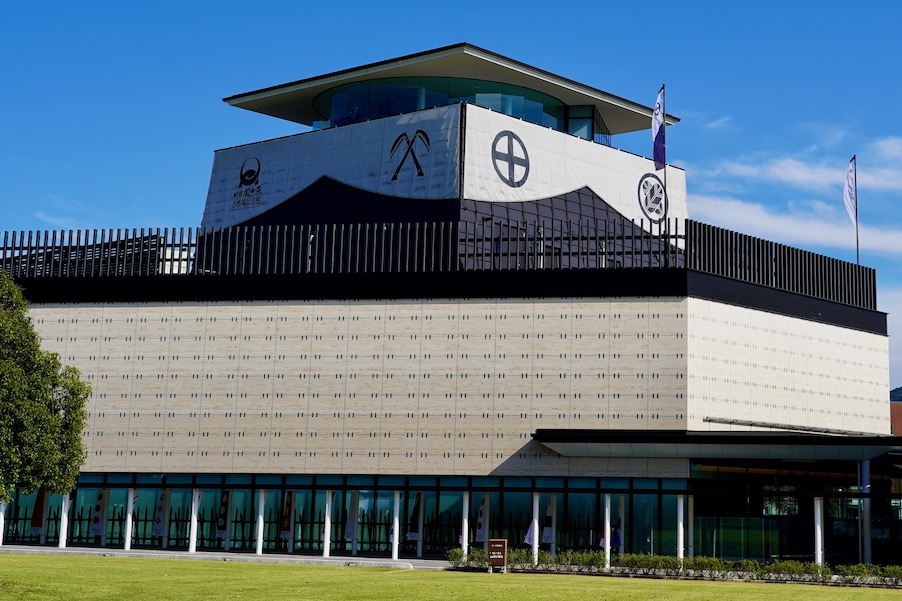
In that, I focused mainly on a little armoury museum that you can visit in Sekigahara. In this story, my focus is on the much bigger cutting edge Memorial Battlefield Museum that opened mid 2020, utilising the latest state-of-the-art technologies for its exhibits.
Unfortunately, the 2020 opening clashed with the covid period, and it had to close again temporarily to install covid measures such as compulsory mask wearing and distancing. That’s gone by the wayside now. This might explain partly why Sekigahara hasn’t really hit the foreign tourist radar big time yet.
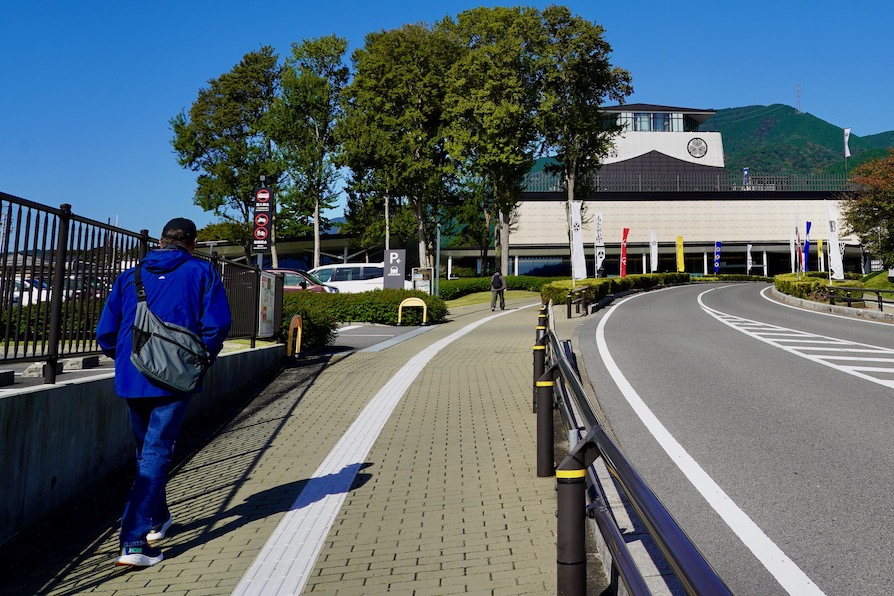
MJ and I visited on a weekday in October last year (2025), and overseas visitors were still light on the ground. Especially foreign visitors. We only saw two – a couple from Europe! However, a large vehicle and bus parking area indicated that weekends are probably very busy. (Big hint: go on a weekday!)
Sekigahara is a quiet picturesque rural town on the famous Nakenseno trail. We have walked the trail in the Kiso Valley on previous trips, but I only became aware of Sekigahara and what it offers visitors in the past year.
Although it’s in the countryside, it is easily accessible for tourists. We visited from our base in Nagoya via an easy and picturesque 45 local train journey. There was a train change en route, but it was very easy. You could also access the town by train from Kyoto via Maibara station in just over an hour. This journey takes you alongside beautiful Lake biwa – Japan’s largest fresh water lake. Having travelled alongside this Lake by rail, I can assure you it’s a lovely journey.
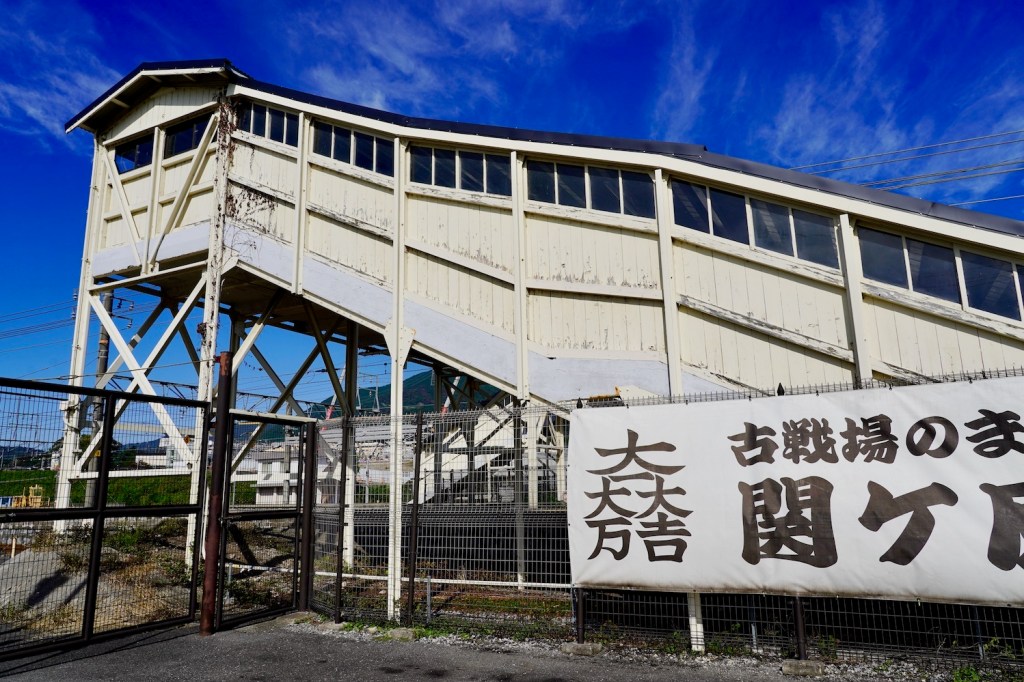
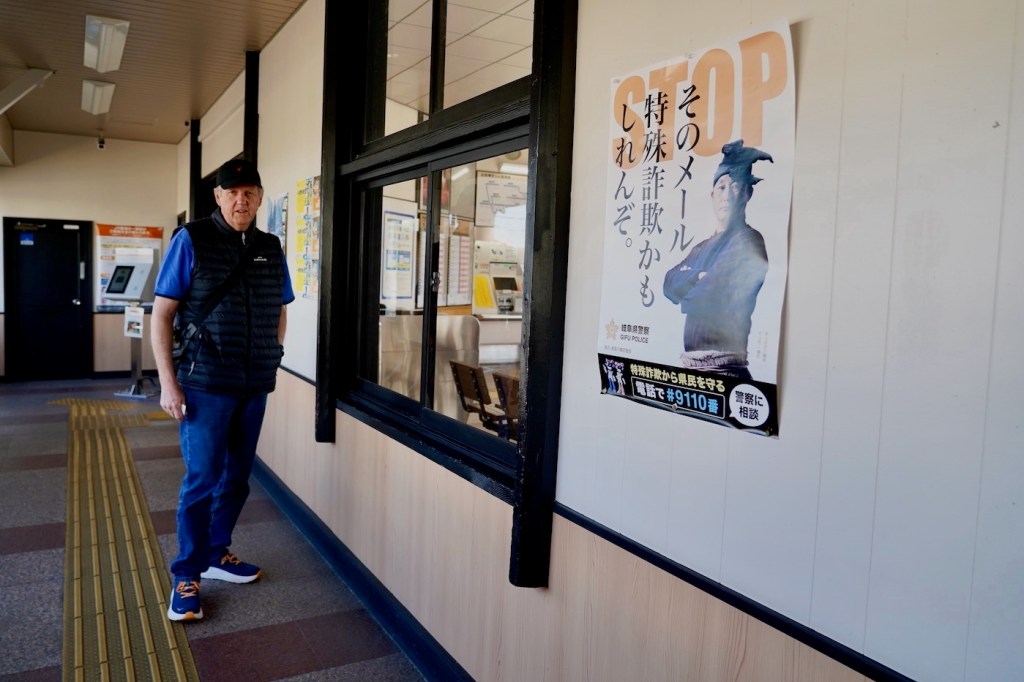
The town’s railway station is a typical regional small town station – with a bank of stairs on each side of the track to access platforms. Forget escalators and elevators. It’s not wheel chair accessible, so if that is a problem then perhaps you can access the town by bus. I managed it slowly with my crap knee. We noticed a police poster at the railway station highlighting a modern day battle – against internet and email scammers!
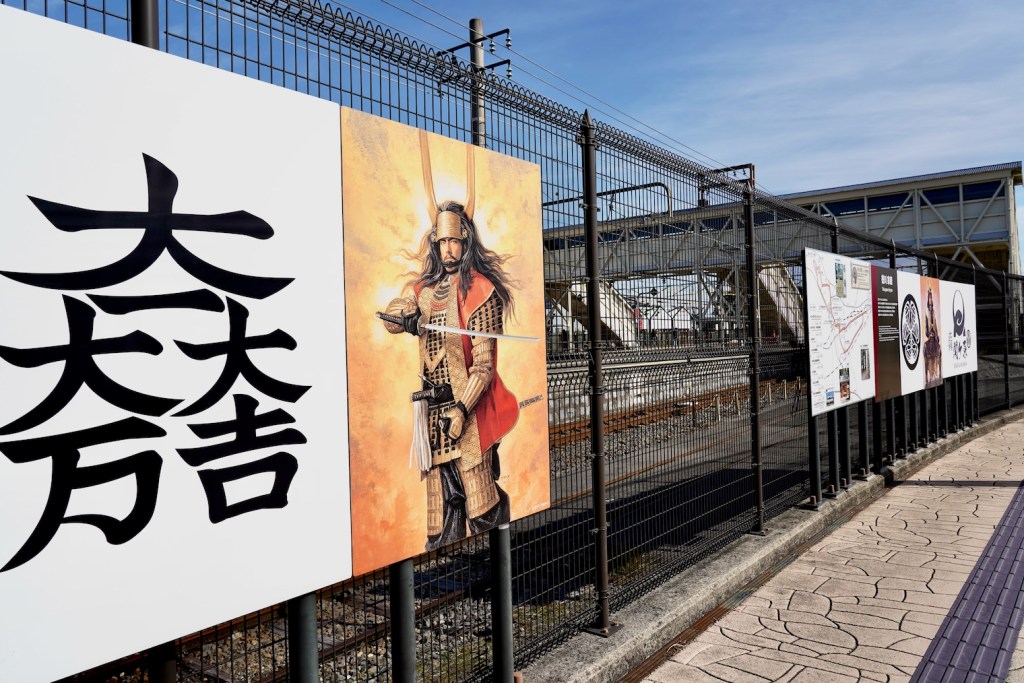
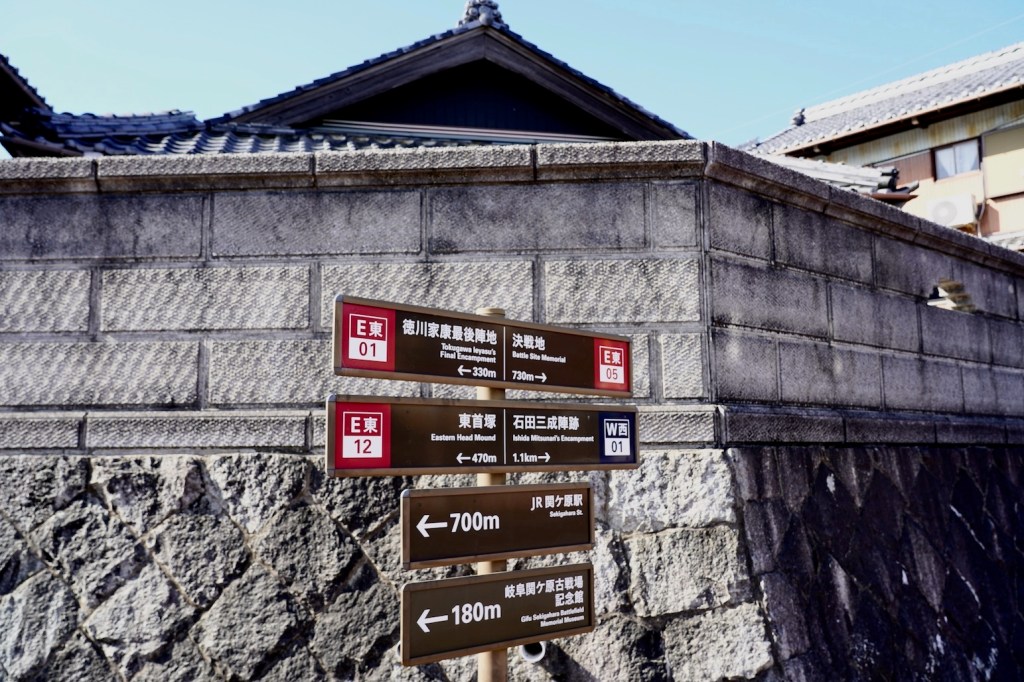
Across from the Station is a small tourist bureau. Access to the Museum is an easy 10 minute amble away along a quiet road leading from the Station. It’s lined with impressive battle flags and battle information boards with english signage – so you can’t get lost. And by the time you reach the Museum, you are already gaining knowledge of what happened and a feel for the main players.
There is a variety of interesting displays within the Museum. The star attraction for us was its signature video presentation that brings the battle to life in its theatrette.
It is very important to register to see it via the Museum website a day or two before your visit to ensure you have a berth. We did it easily on the English section of the website, nominating our preferred time of 11am. It probably would not have been a problem if we hadn’t because it wasn’t busy on the day we went. But if a few tour buses arrived or if lots of visitors were there, we might have not been able to access it. And that would have been a big loss. You can register up to two months before your visit.
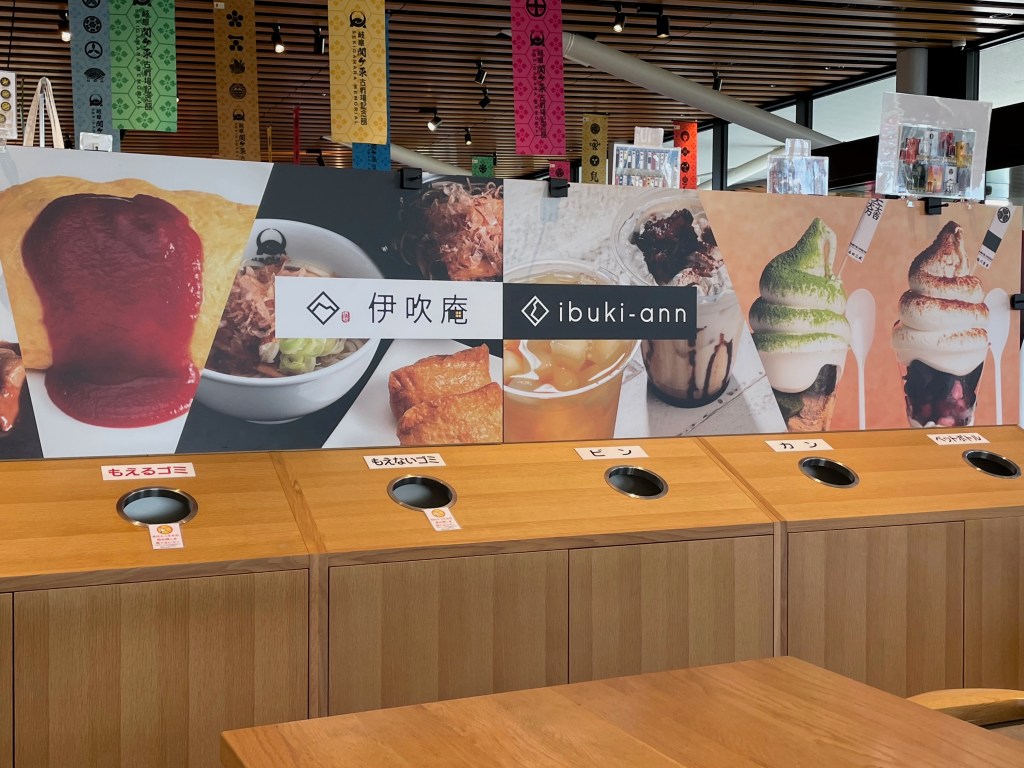
We were early arriving ahead of our booked time. so we did an ice-cream stop at the adjoining cafe and checked out the Museum shop.
Afterwards we touched base at the main desk, paid our fee – 1000 yen each (currently about $9.43Aussie dollars each) and joined the line of participants for the video presentation. There was a senior’s discount for the over 65’s. I’m not sure if this applied to foreigners as we didn’t bother accessing it. You use a ticket machine with staff guidance, so we just kept it simple. There were other discounts available too, so check the website.
We were taken into a room where we stood in a large circle behind low barriers. The circle was empty our arrival, so we weren’t quite sure what was about to happen. But soon the sounds of battle resounded in the room, and the battle field map appeared within the circle at ground level. We were taken through how the clash unfolded, with sound effects! This gave us an overhead ‘ground vision’ of the East and West army camps and the way the fighting evolved during the day. You can lean lightly on the barrier if standing is difficult, but be careful not to drop anything within the circle! There was wheelchair access too.
Then we moved into a small theatre where a spectacular video presentation is shown across multiple screens – ‘a powerful recreation of the violent confrontation between the two forces’. The Museum suggests that it ‘will make you feel you have accidentally wandered into this historic scene yourself’. It was impressive and as close to first hand as you can get more than 400 years after the event. Sorry, no photos of either of these presentations were allowed!
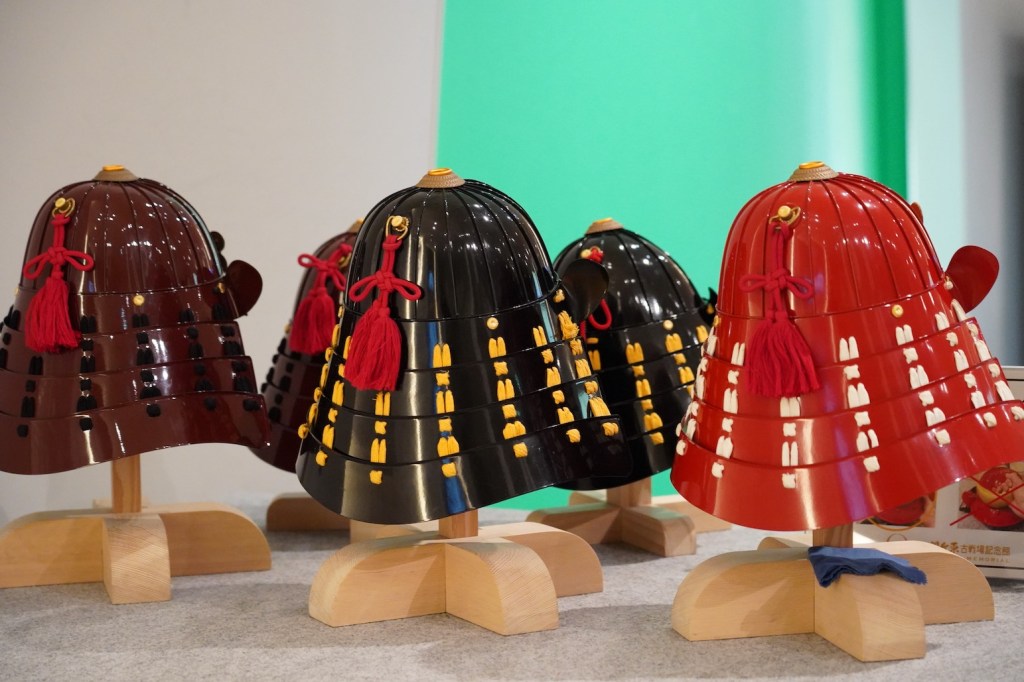
There were many more exhibits to see – including some interactive exhibits. And an opportunity to put on a plastic Samurai helmet and armour for a photo. A little bit of fun!
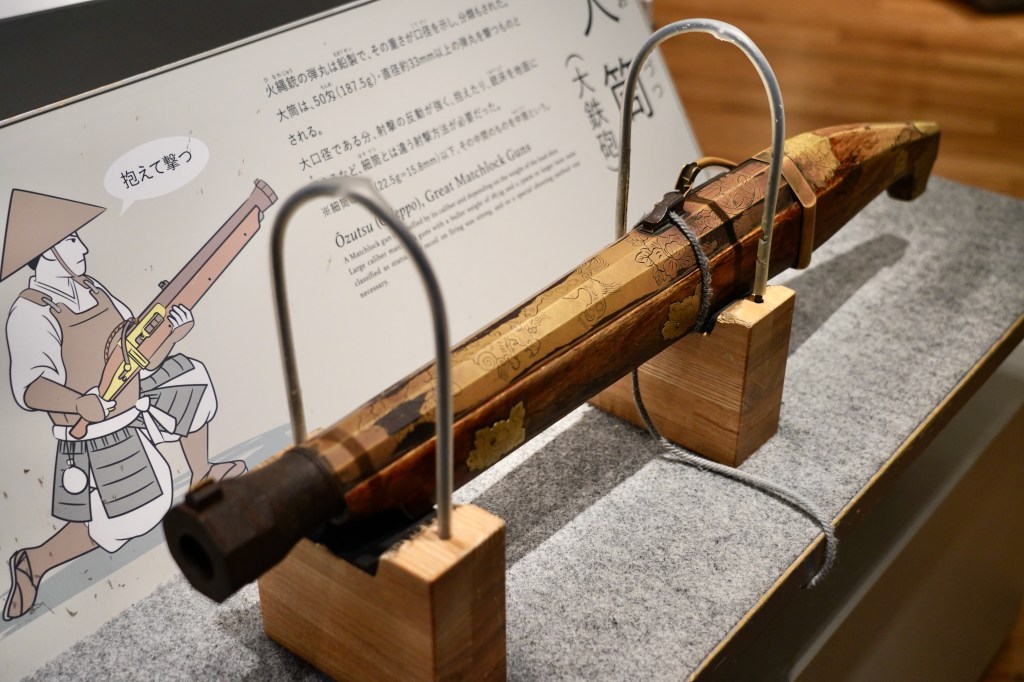
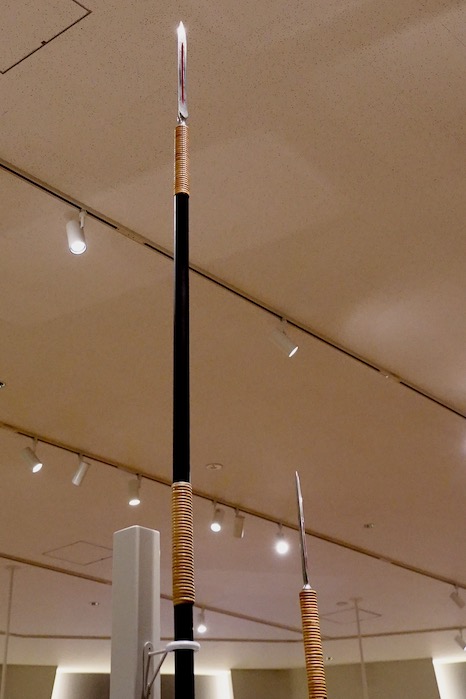
Waterloo and Gettysburg – sister battlefields
We did luck in on something you won’t see easily together – battle artefacts and relics from the Battle of Waterloo, Napoleon’s final defeat and the USA’s Civil War Gettysburg. Sekigahara is now officially joined with the other two battles as a globally significant historical battlefield. Our visit coincided with a big and very detailed exhibition with original artefacts from Waterloo and Gettysburg including letters written by Napoleon, uniforms and swords etc. No photos were allowed inside the big exhibition space.
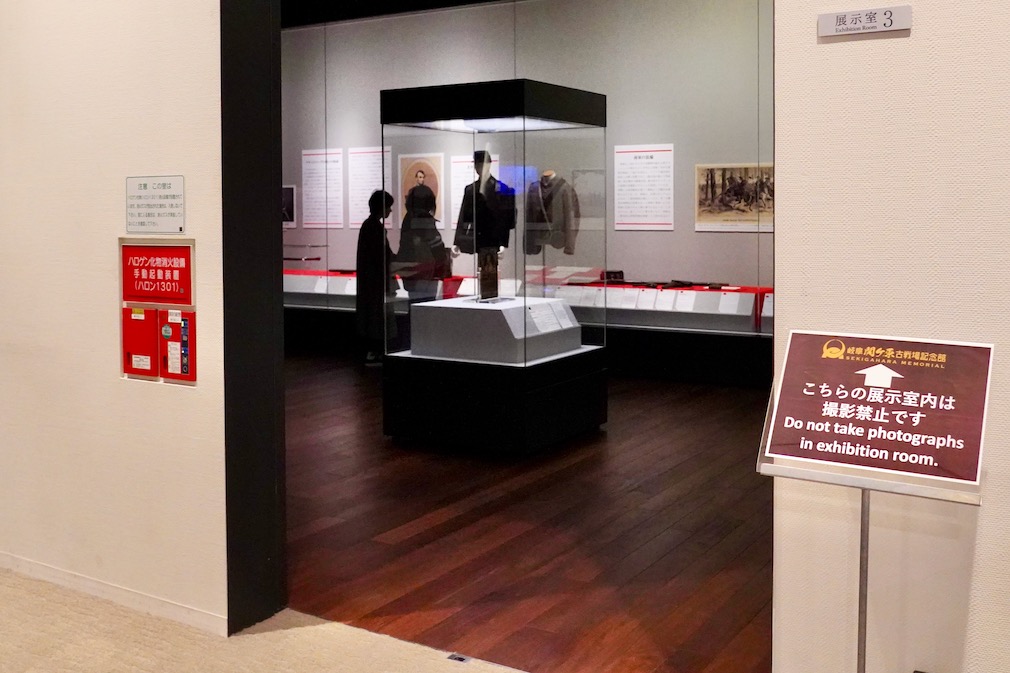
It was very impressive – we were in awe! You can do endless travel planning, but the gems are often the unexpected! Sorry, exhibition only ran until November 2025 – so I’m unsure what is in that special display space now. Various visiting exhibits are held, so you’d need to check what’s on when you go there.
For MJ, the joint exhibition gave him a greater realisation of the significance of Sekigahara internationally.
“It put the battle into global context. I knew very little about Sekigahara before we went there, though I had heard of the Battle of Waterloo and Gettysburg.” he says.
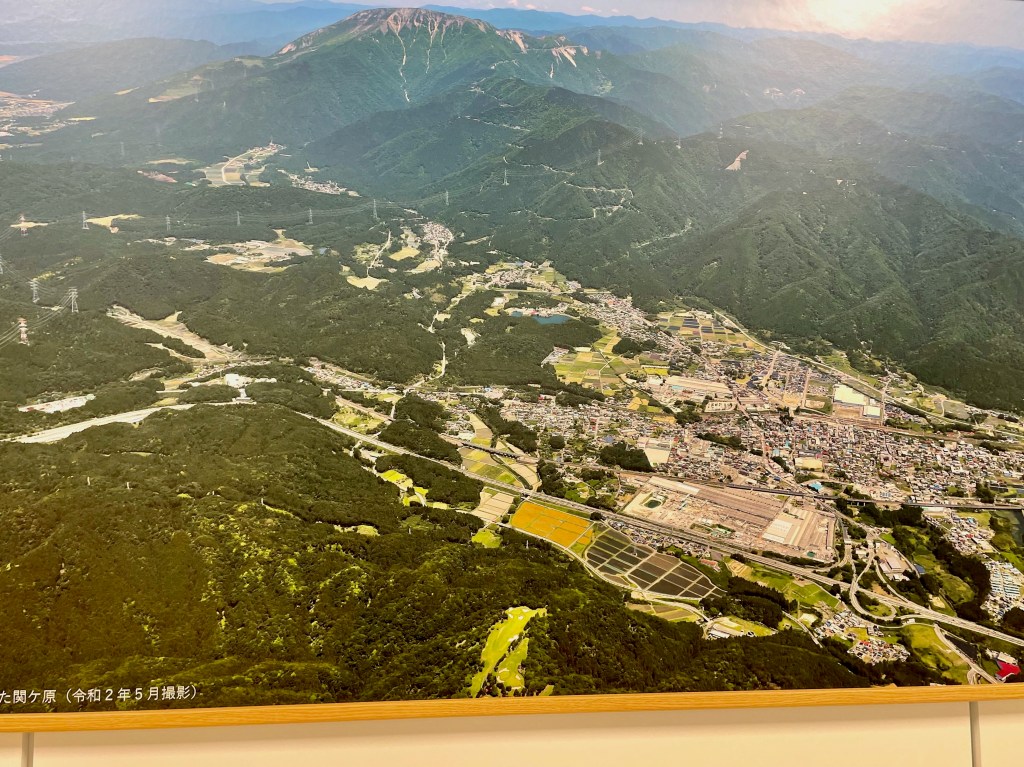
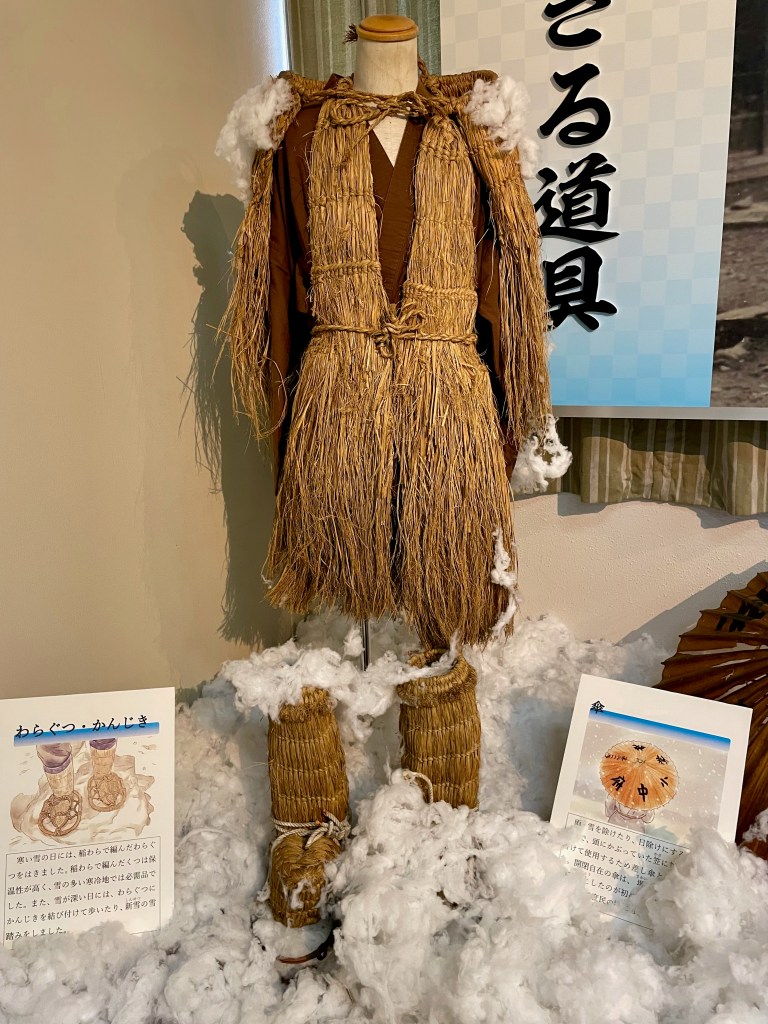
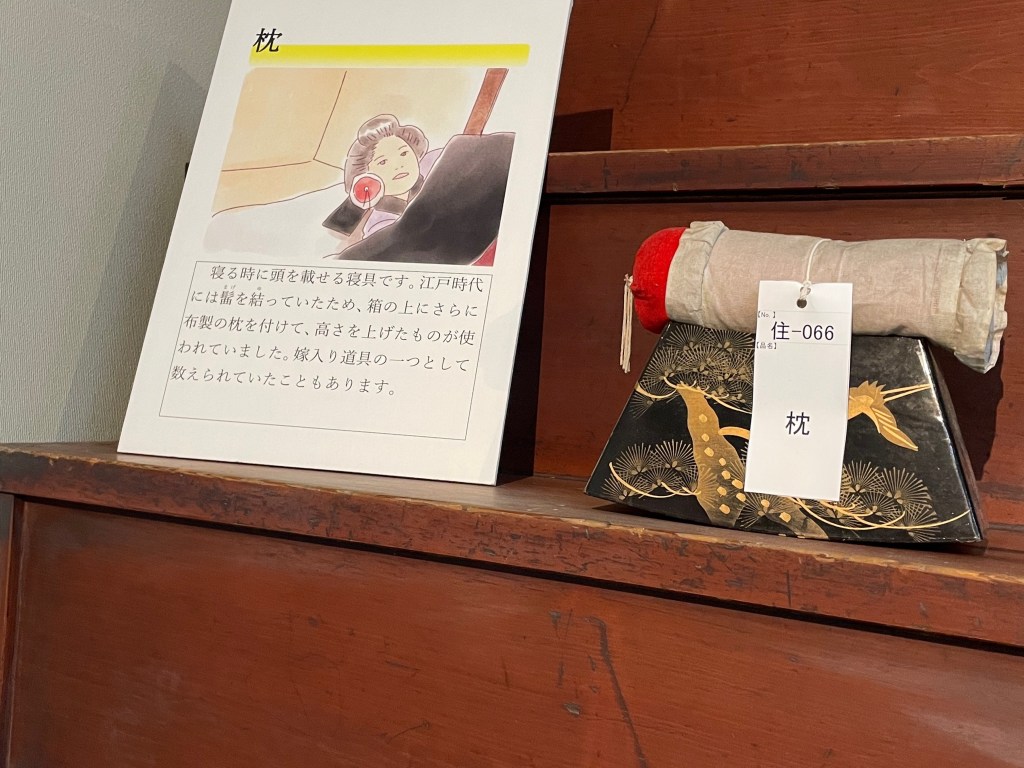
Next door to the Museum is the Sekigahara Town History and Folklore Museum. It’s low key, free and definitely worth a look for an insight into this area aside from the battle. I bought a very good book written in English on the Sekigahara battle here. One of the authors is an Aussie based in Japan.
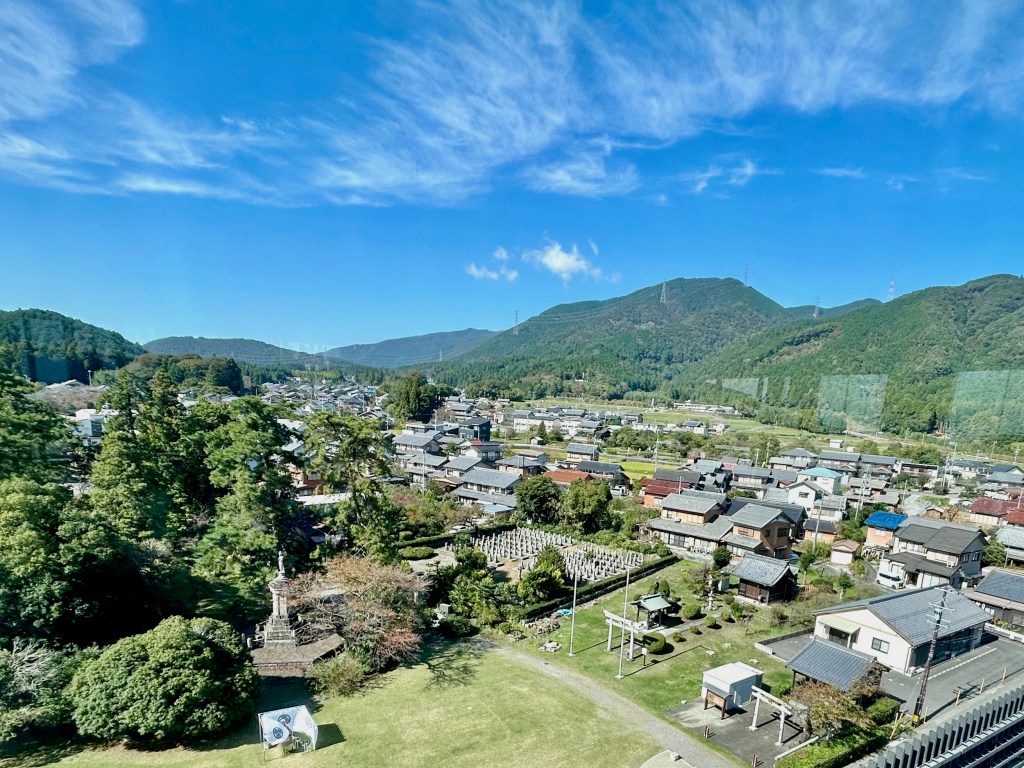
If you go to the rear of the main Museum you will find a parkland where heads of warriors from both armies honoured and buried. There are a few raised moulds marking the area . And signage, of course.
In and around Sekigahara are the encampment sites of the various factions involve in the battle. Some high on the hills. They are marked out by battle flags. You can wander around them – a rented bicycle might be an idea if you want to go far. You can also organise a local guide.
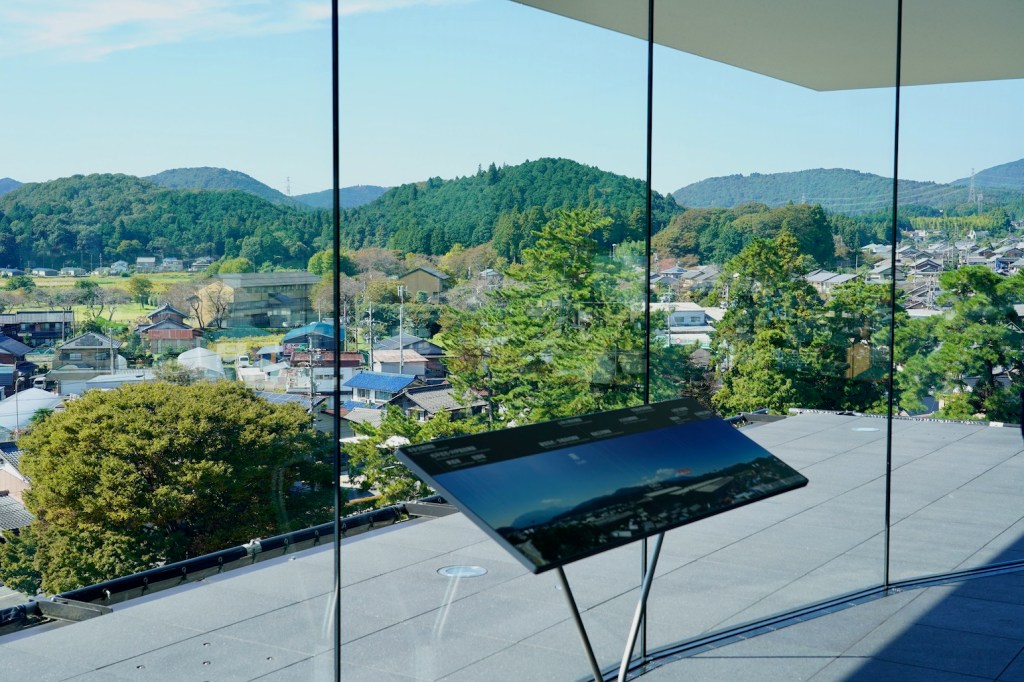
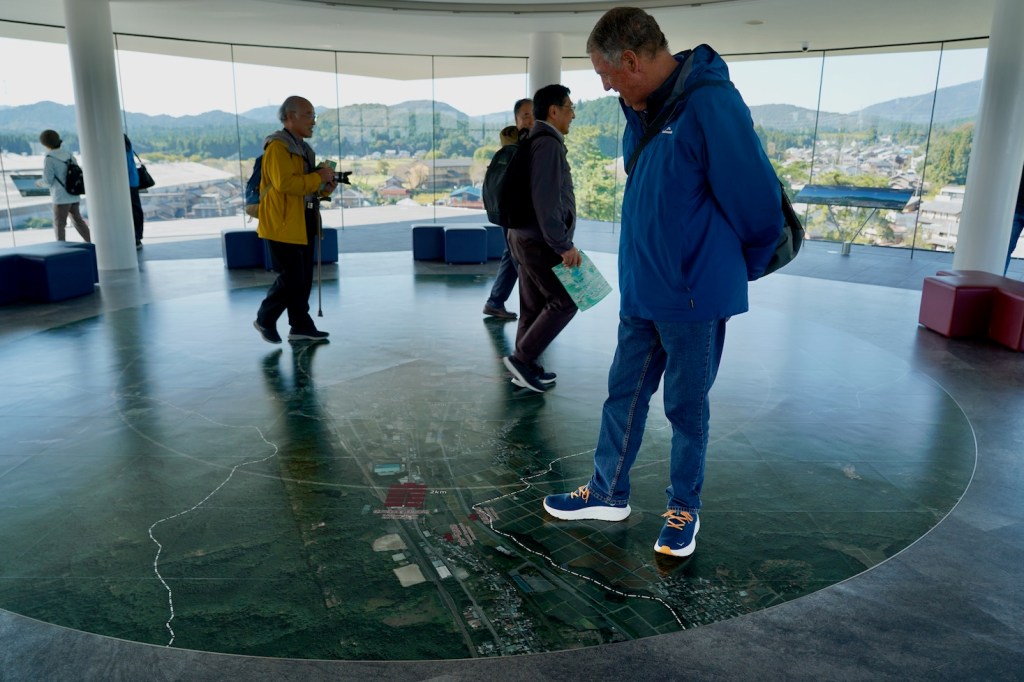
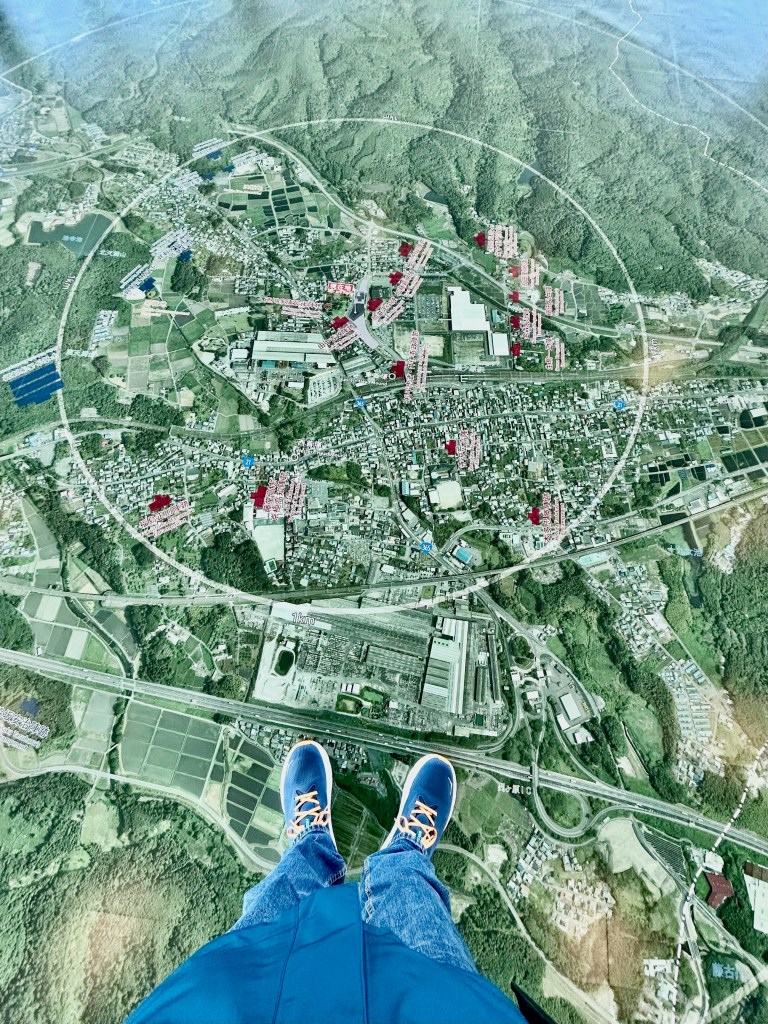
There is an excellent viewing area on the top floor of the Museum where you can gain a good appreciation of where everyone was. You can engage there with a cute little robot who zoots around to show you what you are seeking. I think I hit the english button, but I couldn’t work out a word he was saying!
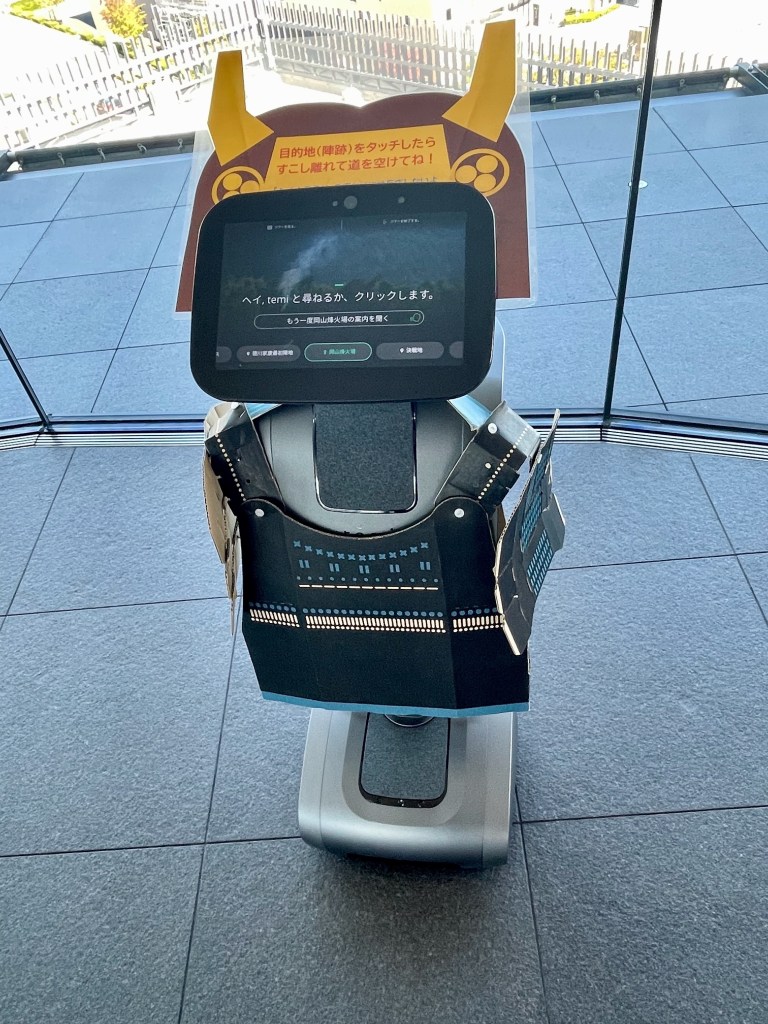
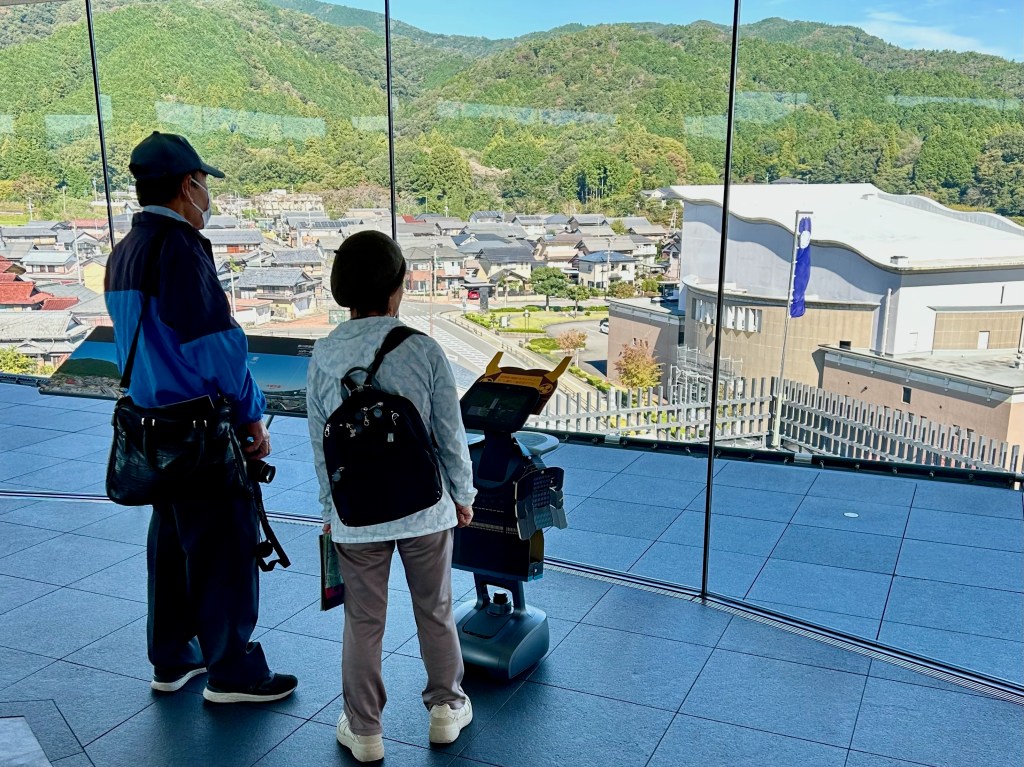
The main Museum is not open on Mondays. It’s essential to double check its opening time on its website ahead of your visit.
Before leaving, we returned to the Museum cafe for a late lunch – pasta for MJ, a Japanese curry for me. Oishi! Definitely passed muster! There are other small eateries within the town.
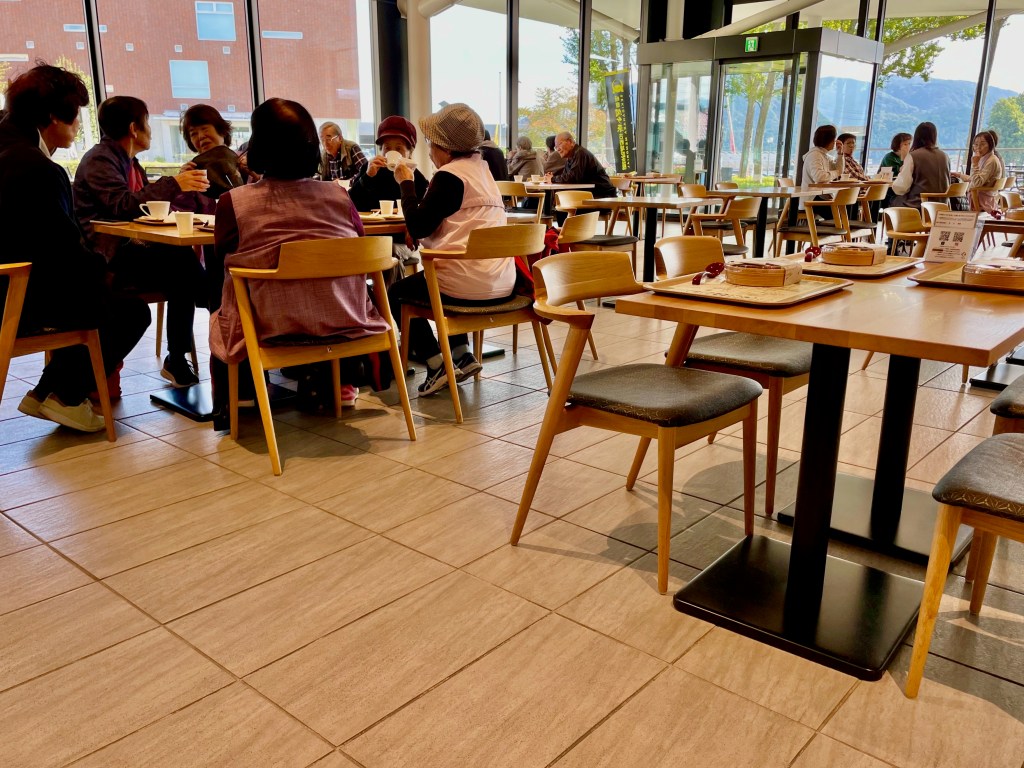

Reflecting on my various visits to Japan, I realised how linked this battle was to places I have visited in the past. The castle at Aizu Wakamatsu, for instance. Ieyasu was concerned about the Lord there building up arms, and he was on his way to attack the castle when he heard of Ishida Mitsunari strengthening his forces to battle in the south. He was persuaded to turn back and prepare himself for a clash with Mitsunari. If he hadn’t, he may not have won’t the day in Sekigahara
Then there is Nagoya castle that he built after winning the battle. Odawara castle – lost its Lord to exile on a faraway island. Osaka castle with the battle plot brewed. And Sendai castle (only foundations remain now) where my favourite Samurai Lord Date Masamune supported Ieyasu in the Sekigahara clash by taking on the a clan in the northern district, allowing Ieyasu to concentrate on the Sekigahara battle.
Not forgetting Maeda Toshinaga, Lord of Kanazawa who played a crucial role aligning with Ieyasu’s eastern army.
Himeji castle – the hot favourite with today’s tourists – was awarded by Ieyasu to his son in law after the Battle of Sekigahara to rebuild and expand, becoming the ‘White Heron’ castle we know today.
This was a battle that came with a lot of rewards for Ieyasu’s supporters, and significant losses for those who hadn’t sided with him. We still see and feel the results today.
 Travelling Therese
Oh wow, I’m really interested now! It’s still just a thought in our heads, but we might do another quick Japan trip in autumn this year. Maybe. Inshallah…😉
LikeLiked by 1 person
See you there. We aim to return to Japan this autumn, though I haven’t come up with an itinerary yet .. Lots of research to do!
LikeLiked by 1 person
What a great read. You really triggered my interest to visit this place. Thank you for sharing your experience 🙏
LikeLiked by 1 person
Glad you enjoyed. There is so much to this battle and the events that led to it. Plus the aftermath. I’ve really only skimmed the surface. I’m not a battle fan – I don’t trek around famous battle sites. But this place historically is very important .. and the valley there so pretty. Can’t believe there were so few tourists about, and how we lucked in on the Waterloo/Gettysberg exhibition.
LikeLiked by 1 person
Great article, me following samurai stories since childhood, especially those by Toshiro Mifune famous samurai movie actor, Unfortunatelly not made it to Japan as won’t leave my dog behind nor in cages, Thanks for the memories of the samurai Cheers
https://en.wikipedia.org/wiki/Toshiro_Mifune
LikeLike
Thank you. I visited Europe a few times in the 1970s, but too far to travel from Australia for us now. Japan only a 9 hr direct flight away. Many more stories to come from our October/November trip.
LikeLiked by 1 person
Yes of course. Cheers
LikeLike